
Picking the right medical device compliance consultant matters a lot. It can shape how smoothly your product moves from idea to launch. Medical devices face strict rules. These cover safety, materials, risk, testing, and paperwork. So a good partner needs to know more than the rules. They need to know how those rules shape real product design.
The best time to think about compliance is early. Ideally, before the design is locked in. Small choices about materials, parts, wiring, and labels can all affect testing later on.
That’s why some teams build compliance into the design from day one. They don’t wait until the product is done. They flag risks and rules while the design can still change.
OPD Design’s compliance and certification services work this way. They build rules into the process early, instead of adding them at the end.
This guide walks through what to look for in a partner, what services matter most, and what to ask before you sign a deal. It also looks at how one firm puts this into practice.
Why Compliance Should Start During Design
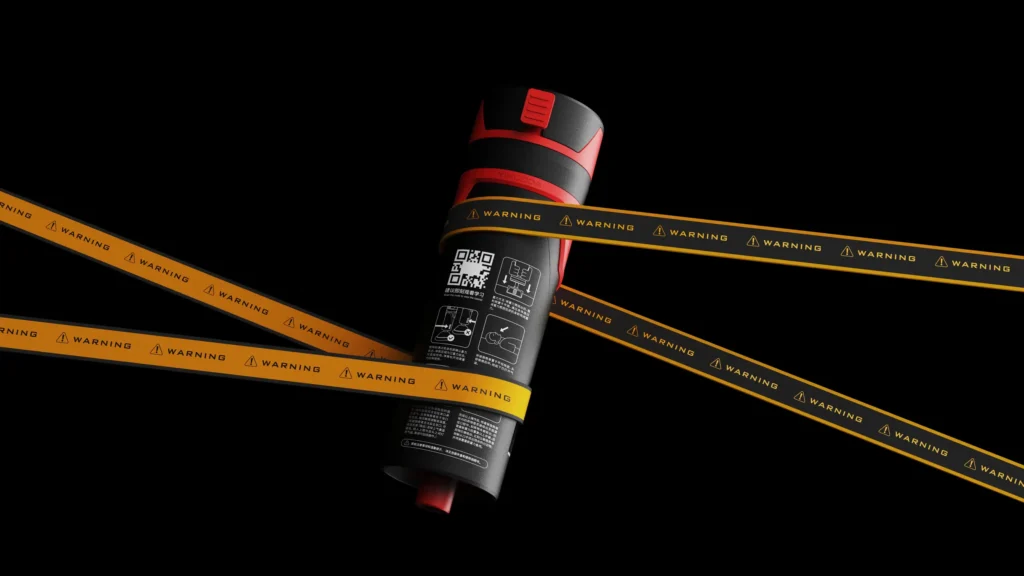
Compliance isn’t just paperwork you add later. It shapes the product itself.
A medical device may need safe materials, safe parts, careful wiring, clear labels, and proof that risks were checked. Change any of this late, and you risk messing up your tools, prototypes, tests, and production plans.
The FDA’s Quality Management System Regulation, called QMSR, took effect on February 2, 2026. It points to ISO 13485:2016 as the standard for quality systems in medical devices.
FDA’s Quality Management System Regulation information ISO 13485 is a well-known global standard. It covers quality systems for medical devices.
This makes early planning even more important if you’re building for regulated markets. It also matters if you plan to sell in more than one country. Each market can have its own rules and its own review steps. A design that passes in one place may still need work for another.
What to Look for in a Medical Device Compliance Consultant
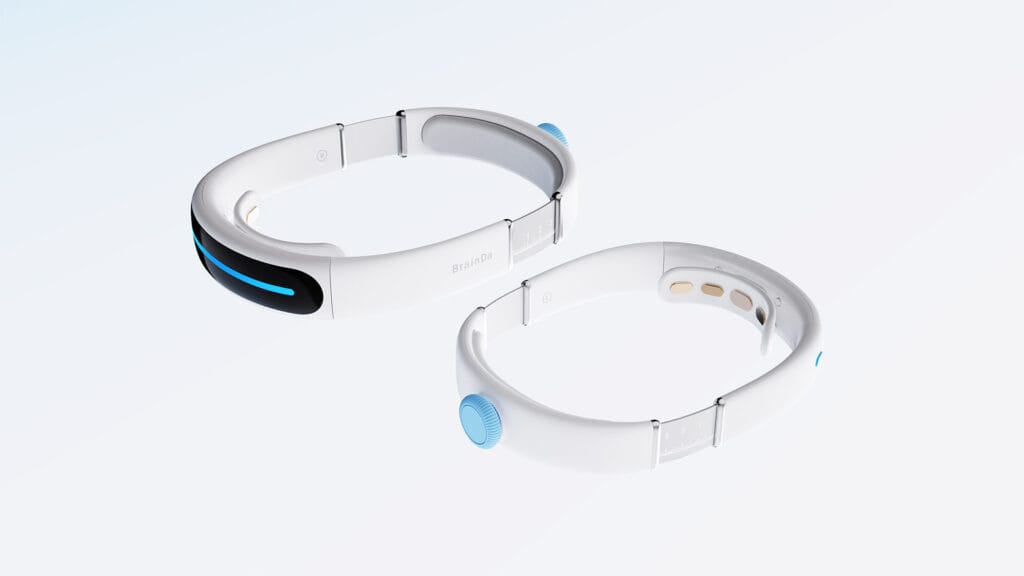
Not all compliance firms work the same way. Some step in only after the design is done. Others join in from the start.
Here’s what to check when you compare them.
1. Early Planning
A strong partner helps you spot the rules that apply before big design choices are set in stone.
OPD Design’s approach starts with market checks, product class review, and a plan for the certification path. Its health care work points to both FDA and CE paths.
This early work helps your team see what’s coming. That way, you avoid costly fixes later. It also helps you set a realistic timeline, since teams that plan early tend to hit their launch dates more often.
2. Real Design Know-How

Knowing the rules only helps if you can turn them into real design choices.
Look for a firm that links rules to shape, looks, wiring, and materials. That’s what turns dry rules into clear design steps.
The firm, for example, gives guidance on warning signs, colors, safe parts, strong structure, wiring, EMC and EMI checks, and material picks.
A firm with strong design know-how can also save you time on redesigns. A firm that knows only the rules, not the design side, leaves your team to guess how to apply them.
3. Risk Checks During Design
Risk should come up before formal testing starts, not after.
The firm’s service includes design reviews and risk checks. These use simple FMEA and hazard review methods. This can catch problems while the design can still change.
A good firm should explain how it checks risk. Watch out for any firm that promises a pass but can’t explain how it finds and fixes risks.
Ask for a sample risk log or a past case study if you can. That should show how the firm thinks through risk, step by step.
4. A Plan for Testing Before Certification
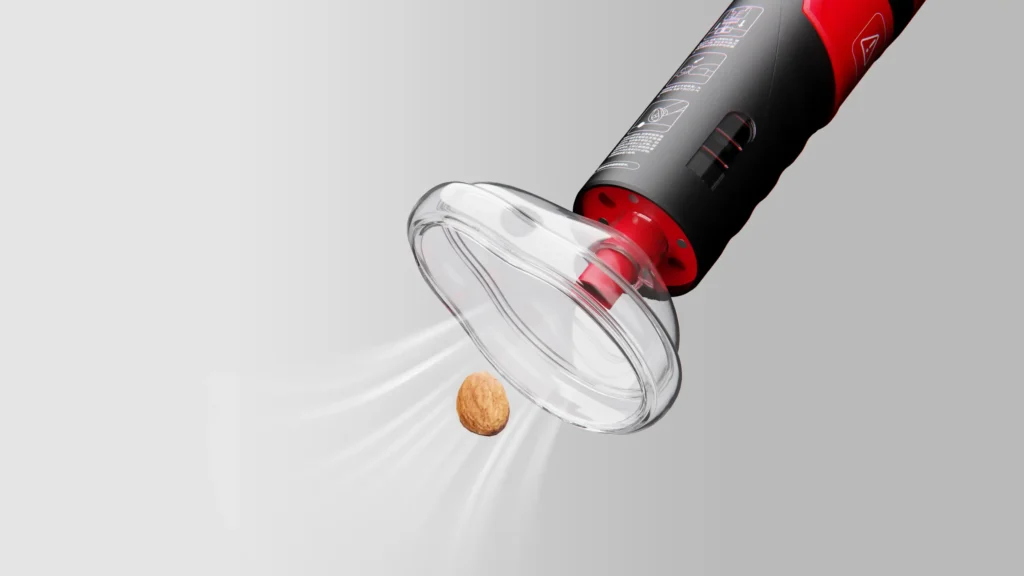
Formal testing should not be the first time your team sees a big flaw.
The firm offers early test tips during the EVT and DVT stages. This can include EMC scans, safety checks on wiring, and notes on what to test and fix.
This gives your team time to solve problems before the real submission, not after. It also cuts the odds of a failed test that sends you back to square one, which can cost weeks of delay plus a new prototype round.
5. Help With Papers and Submission
Paperwork matters just as much as design and testing.
A good partner helps your team know what papers you need and how to sort them. The firm offers guidance on tech files, labels, plates, manuals, and prototype prep.
The goal isn’t more paper. It’s to make sure your product and its files are truly ready. Clean, well-organized files also make the review go faster once you reach the certification stage.
Key Services to Check
When you compare product compliance consulting firms, match their work to what your product needs.
| Area | What to Check | Why It Matters |
| Rule check | Target markets, rules, and standards | Sets clear compliance goals |
| Product class | The right device class | Shapes the right legal path |
| Design review | Shape, wiring, looks, and materials | Finds flaws before formal tests |
| Risk check | Hazards and compliance risks | Leads to safer design choices |
| Test plan | EVT, DVT, EMC, and safety checks | Flags issues early |
| Paperwork | Tech files, labels, manuals, and checklists | Backs up your submission |
| Certification path | Outside testing and certification steps | Guides the next stage |
A good firm should be clear about what it does itself. It should also tell you what needs an outside group. This matters, since planning, testing, and certification often need different partners. If a firm claims to do everything under one roof, ask how that works in practice. Most solid firms will admit where they hand off to a lab or a certification body.
Why Early Planning Pays Off
Late fixes tend to cause pain that you could have skipped.
Say a prototype fails a safety test. Now your team must change the design, build a new prototype, run the test again, and update the papers. Each step eats up time and money.
Early reviews cut the odds of hitting this wall near the end.
The firm calls this compliance-by-design. Spot the rules. Turn them into design steps. Review the design at key points. Plan your pre-test strategy as you go.
The same holds true for materials. Medical device work often touches on safe materials, risk checks, and user safety. Its health care work names material picks, risk checks based on ISO 14971, and design built around real users.
Put together, this makes compliance part of the daily work. It’s not just a task you bolt on at the end. Teams that work this way often report fewer surprises near launch. They also tend to spend less on late redesigns, since most of the hard calls get made up front.
How OPD Design Handles Compliance-Driven Design
The firm treats compliance as part of building the product. It’s not a step you add once design is done.
Its process has a few stages. These include a rule-based product plan, folding rules into the design, a pre-test strategy, a compliance check, and prep for the final submission.
It also covers many design areas. This includes shape, looks, wiring, and materials.
For medical products, the firm lists more. Early path planning. Product class review. Market checks. Material picks. Risk checks. User safety. Safety tests. EMC tests. Long-term tests. Ease-of-use tests. Work with outside labs.
This mix helps when compliance must work hand in hand with design and engineering. It also means fewer handoffs. Your team can raise a design question and a compliance question in the same meeting, instead of routing them to two separate firms.
One thing to note: the firm does not give out certificates itself. It does not replace outside certification groups. Instead, it helps with planning, design review, pre-test strategy, and prep work before the real certification.
Keep this in mind as you check any compliance partner.
What About a Certification Firm in China?
If you build products in China for global markets, location can help. But it should not be your only pick factor.
A search for a product certification company in China can turn up firms with very different skills. Before you pick one, check if the firm knows your target market, product type, design needs, test plan, and paper needs.
Also ask if the firm does design-stage work, or if it only helps after the design is done.
The firm links compliance to product plans, design, hardware, parts, prototypes, and factory work — all listed on its site. Its compliance work is built to bring rules into the process from the start.
For a medical product, also check how the firm handles outside testing and certification groups. The firm says it works with expert groups on FDA paths, CE marks, ISO 13485 and ISO 14971, and outside lab tests.
Being close to your factory can help with speed. It can make sample runs and fixes go faster. But speed alone won’t help if the firm doesn’t know your target market’s rules. Weigh both factors together, not just one.
Questions to Ask Before You Hire a Consultant
Before you sign, ask clear questions about what you’ll get.
Does the work start during design?
Joining early tends to help more. That’s when the rules can still shape the design.
Can you check a design that’s already done?
If your product is already built, ask if the firm can check it for gaps. The firm says it can review finished designs and give tips. That said, joining earlier gives you more room to change things.
Which markets can you support?
Rules shift by region. Make sure the firm knows the markets you plan to sell in.
What happens before the final test?
Ask about early reviews, prototype checks, risk checks, and test tips.
Who signs off on the final certification?
A good firm should say plainly if it certifies the product, works with an outside group, or just helps you prep. For the firm, outside groups issue the final certificates, not OPD itself.
What does the timeline look like?
Ask for a rough timeline from first review to final submission. A firm that has done this work before should be able to give you a range, even if the exact dates shift later.
Conclusion
Picking a compliance partner takes more than a look at price or timeline. The right firm knows how rules shape design, engineering, testing, papers, and market entry.
Look for early planning, design-stage reviews, risk checks, a pre-test strategy, and solid paper support. Also make sure you know the line between compliance help and the final, outside certification.
The firm builds compliance into the design early. Its work spans a rule-based plan, design work, a compliance check, a pre-test strategy, and prep for the final submission.
For makers of medical devices, this can help you catch risks before formal tests, not after. It can also help you plan a more realistic budget and timeline, since fewer surprises tend to show up near the end.
Need support with your product’s compliance and certification needs? Contact OPD Design to discuss your project and explore the right path forward.
FAQ Section
1. What does a medical device compliance consultant do?
A medical device compliance consultant helps your team know the rules and build them into your design. This can include rule checks, design reviews, risk checks, test plans, and prep for certification.
2. When should compliance planning start?
Ideally, at the concept stage. An early start gives your team more room to fix issues before the design gets hard, or costly, to change.
3. Can you check compliance after a design is done?
Yes. A finished design can still get a compliance check. That said, late fixes tend to mean more rework than issues caught early.
4. Does the firm issue medical device certificates?
No. The firm does not give out certificates itself. It helps with planning, design review, pre-test strategy, and prep work, while outside groups handle the final certification.
5. Does compliance help include testing?
Not directly. The firm does not run outside tests itself. But it does give test tips before certification, like EMC scans and safety checks on wiring, plus broader test plan guidance.
6. What paperwork help can you get?
The firm offers guidance on tech files, labels, plates, manuals, prototype prep, and checklists for certification.