

Smart Ring
Client country: United Arab Emirates
Services: Product Definition|Industrial Design|Structural Design|Prototype Development|Mass Production Introduction
Project Background
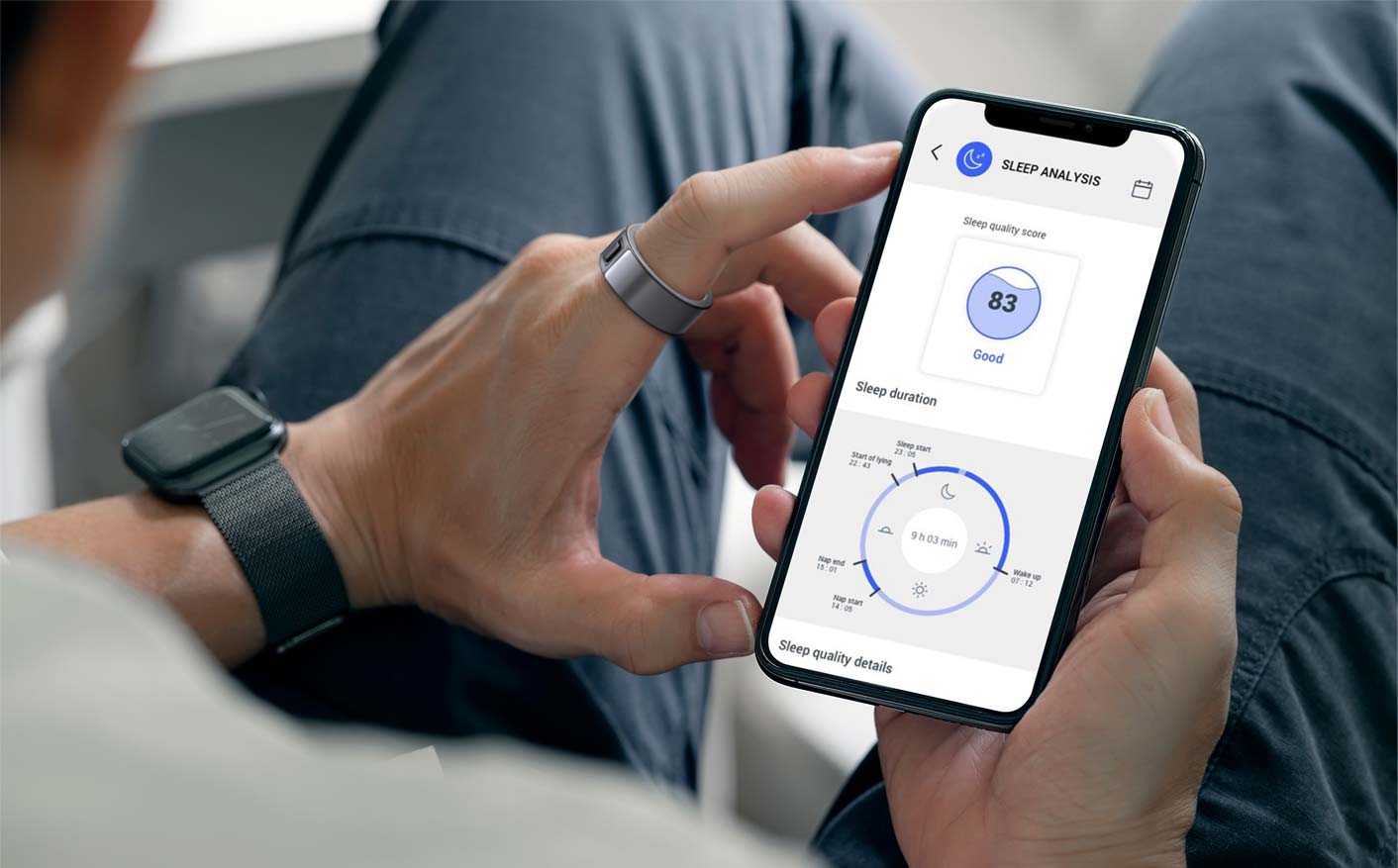
As wearable technology evolves toward “invisible integration” and “continuous data acquisition,” the smart ring is gradually emerging as the next-generation health monitoring device, following in the footsteps of the smartwatch. Compared to traditional smartwatches, smart rings offer superior wearing comfort and discretion, while simultaneously enabling continuous physiological data collection (such as heart rate, sleep patterns, body temperature, etc.).
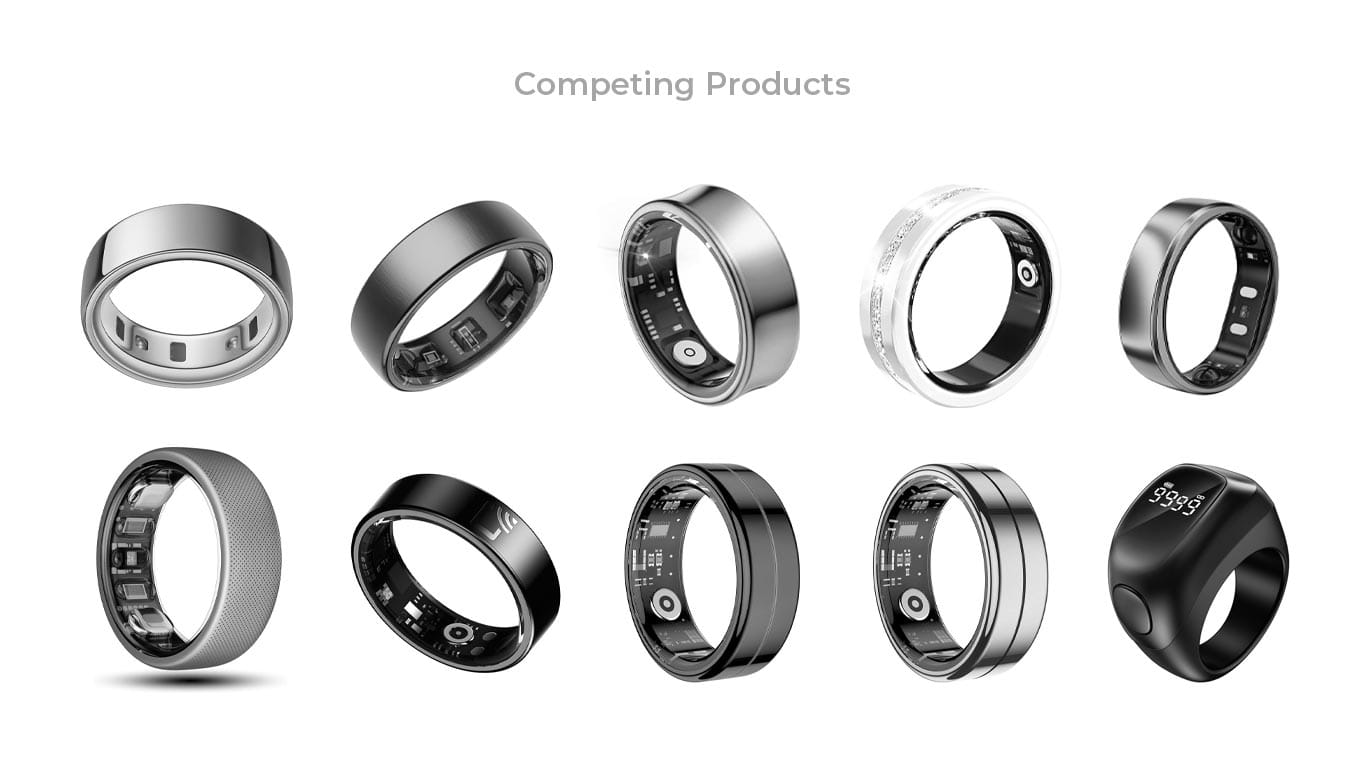
The client for this project sought to develop a smart ring product targeting the global market, benchmarked against industry-leading products such as the Samsung Galaxy Ring.
OPD Scope of Services: Product Definition, Industrial Design, Structural Design, Prototype Development, Mass Production Introduction
Design Challenge
Balancing Complex Systems Within Minimalist Spaces
The core difficulty in designing a smart ring lies not in any single technology, but rather in the “system integration required under extreme spatial compression.” Compared to smartwatches or fitness bands, a ring occupies an exceptionally small volume yet must accommodate a suite of components—including heart rate sensors, temperature sensors, motion sensors, a battery, and a Bluetooth communication module. This requirement renders the optimization of internal space utilization, structural layout, and electromagnetic environment control an immensely complex undertaking.
Concurrently, given that a ring is a product intended for continuous, all-day wear, its requirements for comfort far exceed those of other wearable devices. Even the slightest structural flaw, uneven weight distribution, or material incompatibility can be amplified during prolonged wear, directly compromising the user experience. Consequently, striking the right balance among structural integrity, water resistance, and wearing comfort emerged as one of the project’s pivotal challenges.
Solution
Driving Product Realization Through Systemic Design Thinking
In the initial stages of the project, OPD began by centering our approach on user scenarios to systematically redefine the product. We positioned this smart ring as a “seamless gateway for health data,” focusing primarily on sleep monitoring and continuous physiological data collection, rather than merely replicating the functionalities of a smartwatch. This strategic approach not only reduced system complexity but also endowed the product with distinct, differentiated value in real-world usage.
During the industrial design phase, we focused our exploration on two key themes: “aesthetic expression as jewelry” and “long-term wearing comfort.” Through multiple rounds of conceptual iteration, the design team weighed the merits of three distinct styles—minimalist, luxury, and athletic—ultimately settling on a design language characterized by both understated elegance and refined textural detail. The exterior features a subtly curved structure that not only enhances visual sophistication but also optimizes the ergonomic fit against the finger; furthermore, by meticulously controlling surface reflectivity and edge transitions, the product achieves a heightened sense of premium layering and depth under varying lighting conditions.
Upon entering the structural design phase, the project’s focus shifted toward maximizing internal space utilization and ensuring system stability. The engineering team adopted a modular stacking strategy to achieve high-density integration of core sensors, batteries, and communication modules, while specifically optimizing the battery form factor to accommodate the ring’s curved structure. Regarding antenna design, extensive rounds of simulation and field testing were conducted to mitigate the signal interference caused by the metal casing, thereby ensuring the stability of Bluetooth communication. Concurrently, a dual-layer structural design was implemented to address strength and comfort independently, effectively enhancing overall reliability.
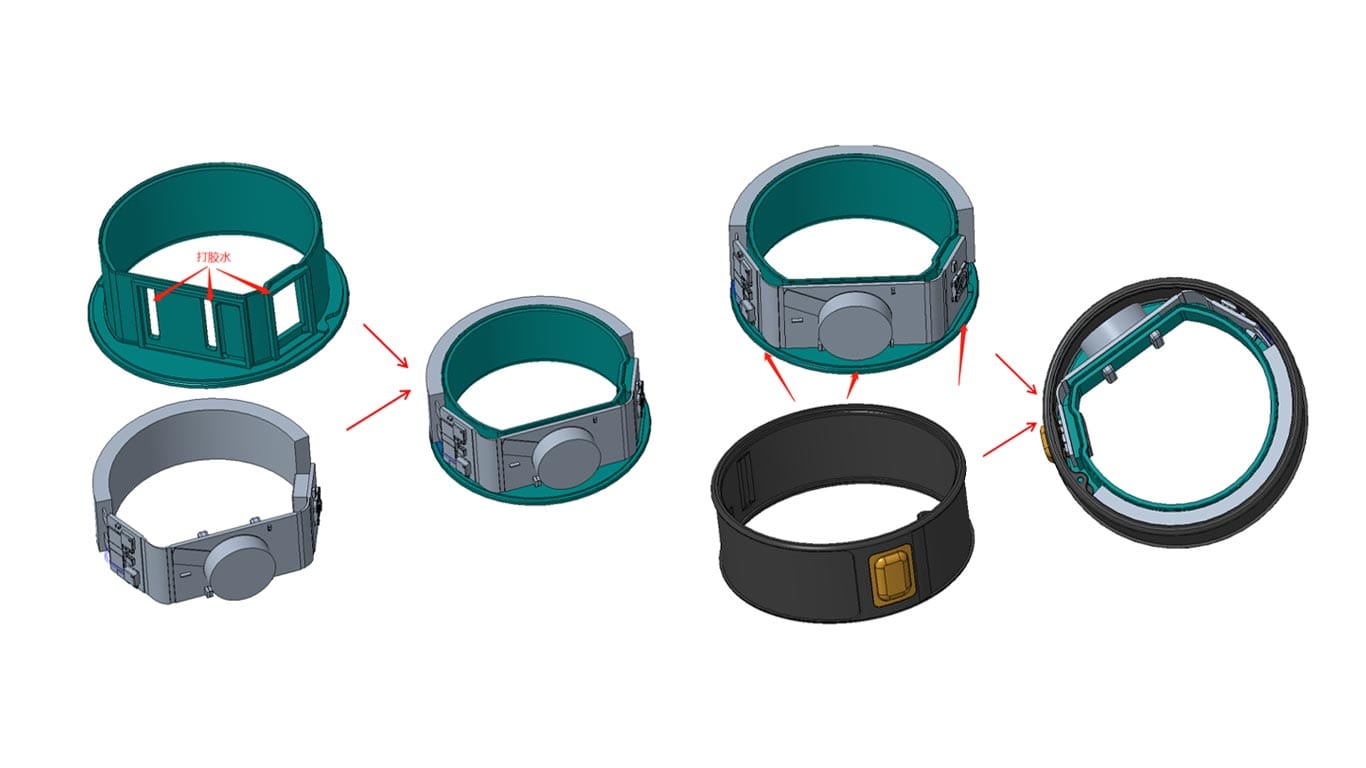
In terms of material and process selection, the team utilized titanium alloy as the primary material for the casing to strike a balance between lightweight design and high structural strength. Simultaneously, through the application of PVD coating and a meticulous polishing process, the product achieves a visual and tactile quality that rivals the standards of high-end jewelry. The inner ring is crafted from medical-grade materials to ensure safety and comfort during prolonged contact with the skin.
Prototyping & Mass Production Ramp-up
From Design to Real-World Product
During the prototyping phase, OPD did not limit its efforts to mere aesthetic validation; instead, we simultaneously advanced the development of functional prototypes and wear-testing units, continuously refining product details through multiple rounds of iteration. Specifically, during sleep-scenario testing, we focused on validating wearing stability across various finger sizes, as well as the reliability of sensor-to-skin contact, thereby ensuring the accuracy of data acquisition.
Upon entering the mass production ramp-up phase, the project’s challenges shifted toward the manufacturing ecosystem. Given the product’s extremely compact dimensions, exceptionally high standards were demanded regarding mold precision, assembly consistency, and waterproof structural integrity. OPD addressed these requirements by establishing standardized DFM (Design for Manufacturability) processes, optimizing critical structural components, and developing specialized testing fixtures to enhance production line yield rates and product consistency. Concurrently, we established comprehensive protocols for sensor calibration and complete unit testing, thereby laying a solid foundation for the product’s large-scale mass production.
Project Outcomes
Shaping the Next Generation of Wearable Form Factors
Through a systematic integration of design and engineering, this project successfully realized a smart ring that harmonizes both functionality and aesthetic appeal. The product features robust capabilities for monitoring heart rate, sleep patterns, and body temperature, while simultaneously meeting industry-leading standards in terms of battery life, water resistance, and wearing comfort.
More importantly, this product successfully pushes the boundaries of traditional wearable devices in terms of form factor; by seamlessly embedding advanced technological capabilities within a minimalist exterior, it truly becomes an integral part of the user’s daily life—rather than merely a device that demands conscious attention.
Featured Projects
Smart Comb
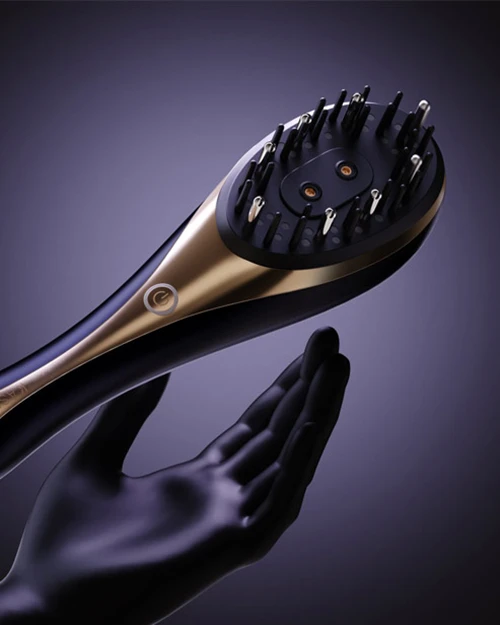
A scalp care comb with a misting function, featuring an ergonomic design that combines style and practicality.
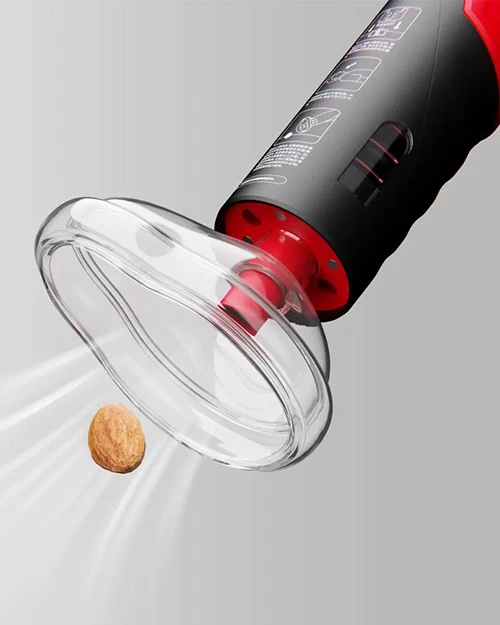
Anti-Choking Device
A home-use Heimlich maneuver device developed based on the principles of the Heimlich maneuver.
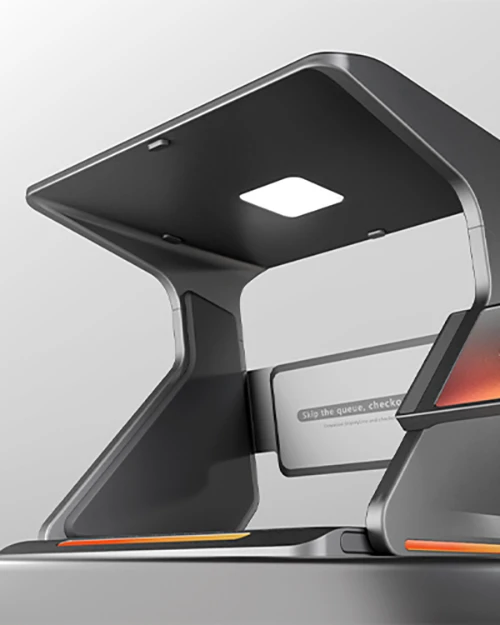
Self-Service Checkout System
These are the core devices supporting the "unmanned shopping" scenario and the key terminals for improving shopping efficiency.
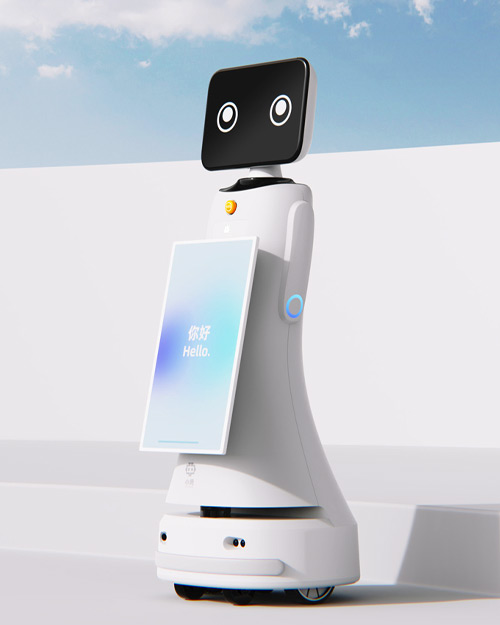
Care Robot
A care robot that integrates safety monitoring, daily assistance, and emergency response.
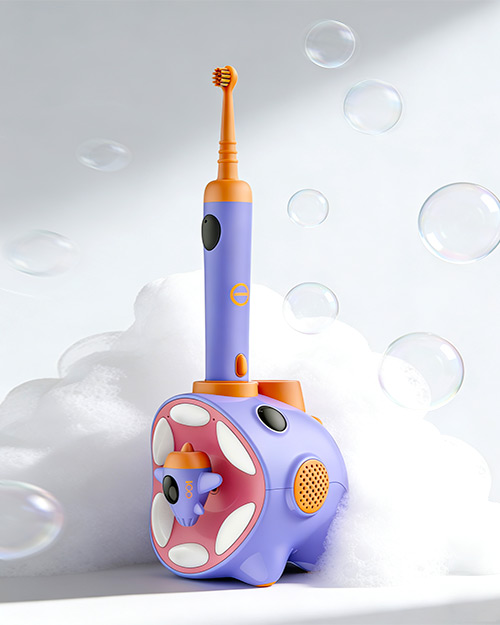
Kids Smart Toothbrush
Let children learn to brush their teeth independently in a fun way.
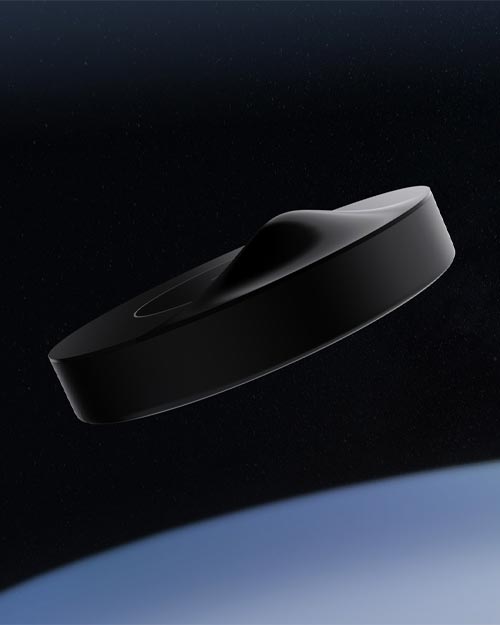
Sci-fi style electric ceramic stove
Spaceship-themed electric ceramic stove: a modern lifestyle.
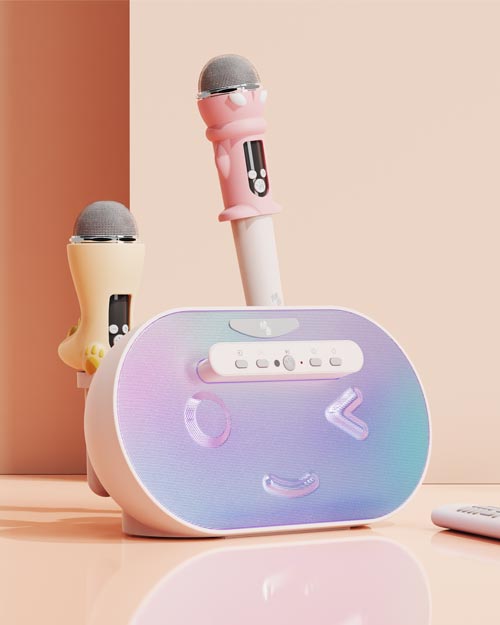
Children's KVT
Allowing children to learn through play and grow through learning.

AI interactive terminal
This project uses AI to recognize NFC chips, match IP-specific audio effects, enabling “one Baji, one exclusive interaction”