Radar level gauge

OPD DESIGN|Level gauge

Client country: China

Services: industrial design|machine design|functional prototyping

Project Background

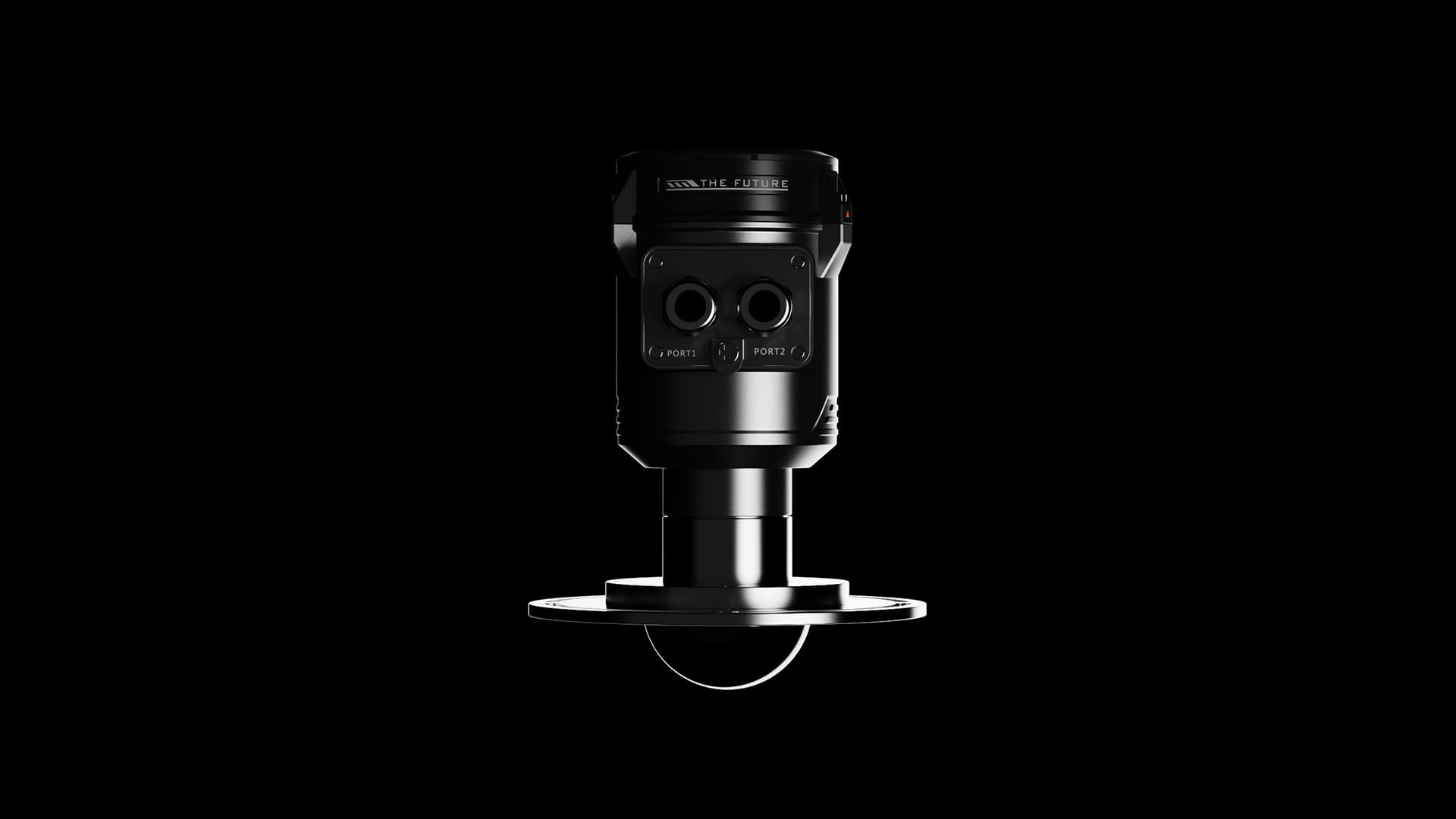
To address the current pain points of radar level gauges, such as homogeneous appearance and poor adaptability, align with the minimalist and practical design trend of industrial instruments, and enhance product competitiveness and brand recognition, this appearance design project is specially launched to optimize the product form, texture and experience.
OPD DESIGN|Level gauge

Solution

Appearance Design Solutions for Radar Level Gauge
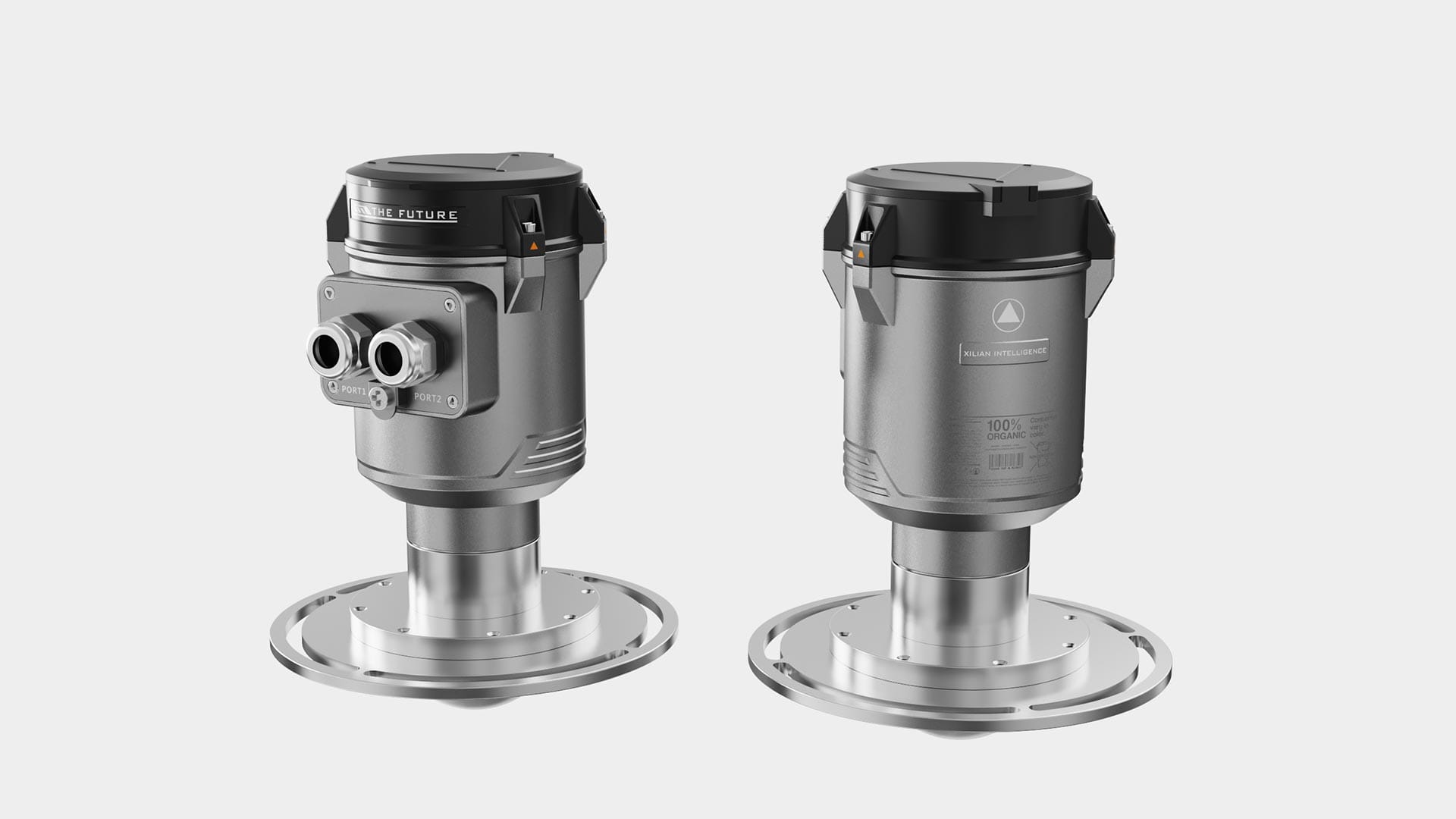
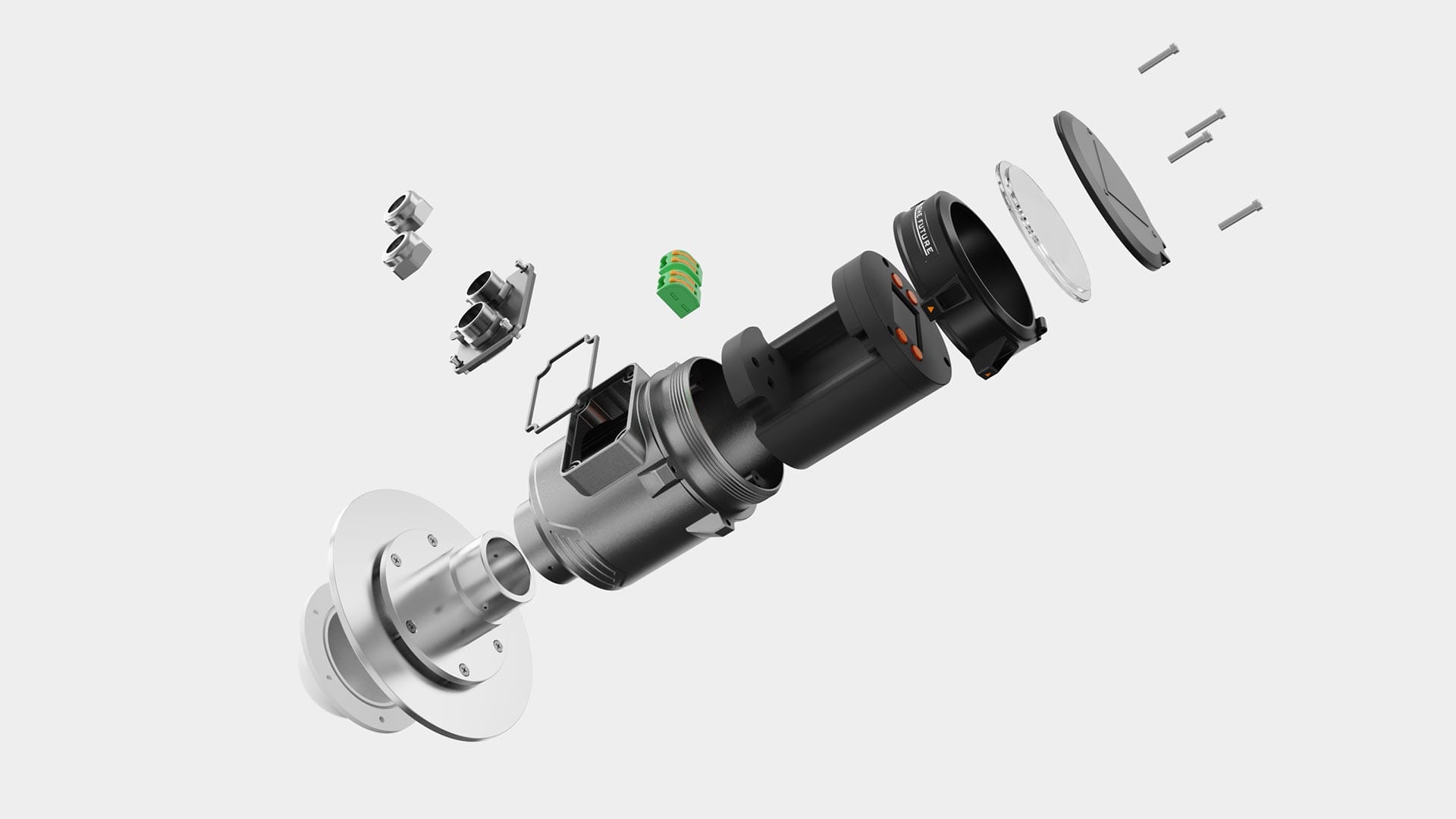
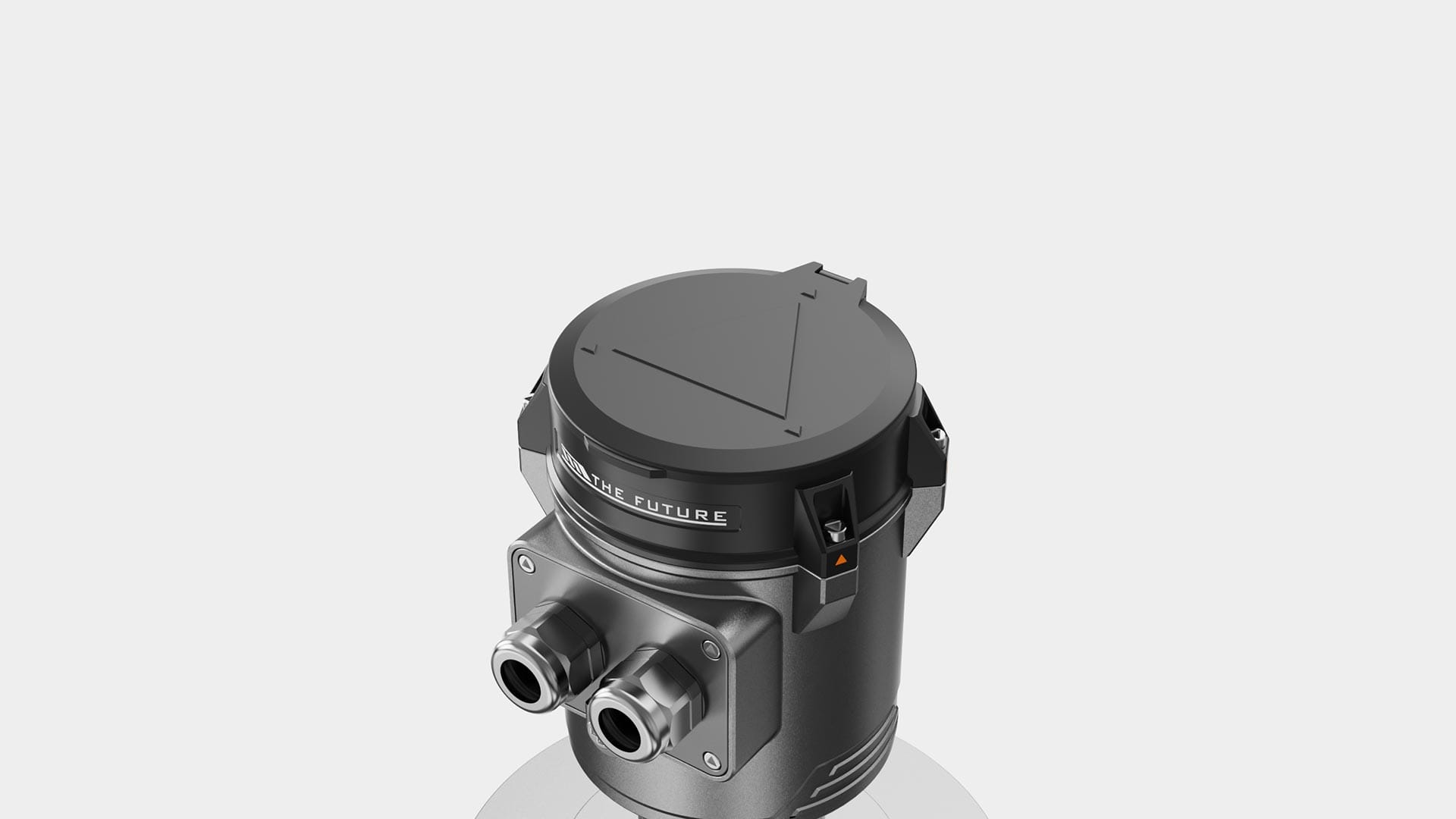
A. Flip-Top Protective Cover Design for Observation Lens
  • In the observation lens area on the top of the product, a flip-top protective cover is designed, adopting a snap-on opening and closing structure. When closed, it fits closely to the edge of the lens, effectively isolating dust, oil stains and corrosive media in industrial scenes, and avoiding lens contamination affecting observation. The cover is made of high-toughness and impact-resistant material, which can resist slight collisions and prevent lens breakage. At the same time, the flip cover opens and closes smoothly without affecting the operator’s normal observation of liquid level data.c
B. Special Screw Fixing Bayonet Design on the Side
  • At the corresponding positions on the four sides of the product, special-specification screw fixing bayonets are designed, adopting non-standard bayonet size and anti-disassembly structure, matched with special fixing screws. This avoids easy disassembly of the equipment, prevents theft, damage or illegal modification of internal core components, and ensures the safety and stability of the equipment in industrial on-site use. At the same time, the bayonet design fits the overall lines of the product without damaging the simplicity of the appearance.
C. Convenient Wire Harness Replacement Port Design at the Front End
  • In the wiring port area at the front end of the product, the port structure is optimized, and a special interface for convenient and quick wire harness replacement is designed, adopting a plug-in connection method. Operators can quickly complete the disassembly and replacement of the wire harness without using complex tools. A sealing gasket is set at the interface to balance the convenience of wire harness replacement, prevent dust and water vapor from entering the interface, ensure the stability of equipment wiring, and adapt to the needs of rapid maintenance in industrial scenes.
OPD DESIGN|Level gauge

Design Process

Step 1-Demand Research and Analysis Stage

  • First, conduct in-depth research on industrial scene needs, including the use environment (dust, corrosion, temperature, pressure), installation space, and operator usage habits. Summarize the core pain points of the existing products, clarify the design requirements of flip-top protective cover, side screw fixing bayonet and front wire harness replacement port, and formulate a detailed design demand list to lay a foundation for the subsequent design work.

Step 2-Preliminary Design and Scheme Drafting Stage

  • Based on the demand analysis, carry out preliminary appearance design. Combine the three core design solutions, draft multiple sets of appearance sketches, focus on balancing the product shape, functional layout (protective cover, bayonet, wiring port) and industrial aesthetics, and initially determine the size, line and material selection direction of each part to form a preliminary design scheme.

Step 3-Scheme Review and Optimization Stage

  • Organize professional teams (designers, engineers, market personnel) to review the preliminary design scheme. Evaluate the rationality of the flip-top protective cover structure, the safety of the screw fixing bayonet, the convenience of the wire harness replacement port, as well as the appearance aesthetics and installation adaptability. Collect opinions and suggestions, optimize the defects of the scheme, and finalize the formal design scheme.

Step 4-Scheme Review and Optimization Stage

  • Organize professional teams (designers, engineers, market personnel) to review the preliminary design scheme. Evaluate the rationality of the flip-top protective cover structure, the safety of the screw fixing bayonet, the convenience of the wire harness replacement port, as well as the appearance aesthetics and installation adaptability. Collect opinions and suggestions, optimize the defects of the scheme, and finalize the formal design scheme.
OPD DESIGN|Level gauge

Step 5-Design Finalization and Standardization Stage

  • After the prototype test is qualified, finalize the design scheme, sort out the design drawings, material specifications, process requirements and other documents, and standardize the relevant parameters of the flip-top protective cover, screw fixing bayonet and wire harness replacement port. Form a complete design specification to provide a basis for the subsequent mass production.

Featured Projects

Ready

Free Consultation

Inquiry Form