
Quick Answer
Good IoT product development starts with a written plan, not a prototype. Before design begins, decide the user, the feature list, the wireless method, the security needs, the packaging, and the markets you will sell in. Settling these early saves rework, because a late change can touch the circuits, the housing, and the app at once.
IoT product development means building hardware, software, and connectivity as one product. Many teams start with a sensor or an app idea and add the rest as they go. That path often leads to rework, delays, and a larger budget than planned.
This guide covers what to decide before development starts. We are OPD Design, a product design and development company based in Shenzhen, China. We also show how we approach connected products, from strategy to production.
What Is an IoT Device?
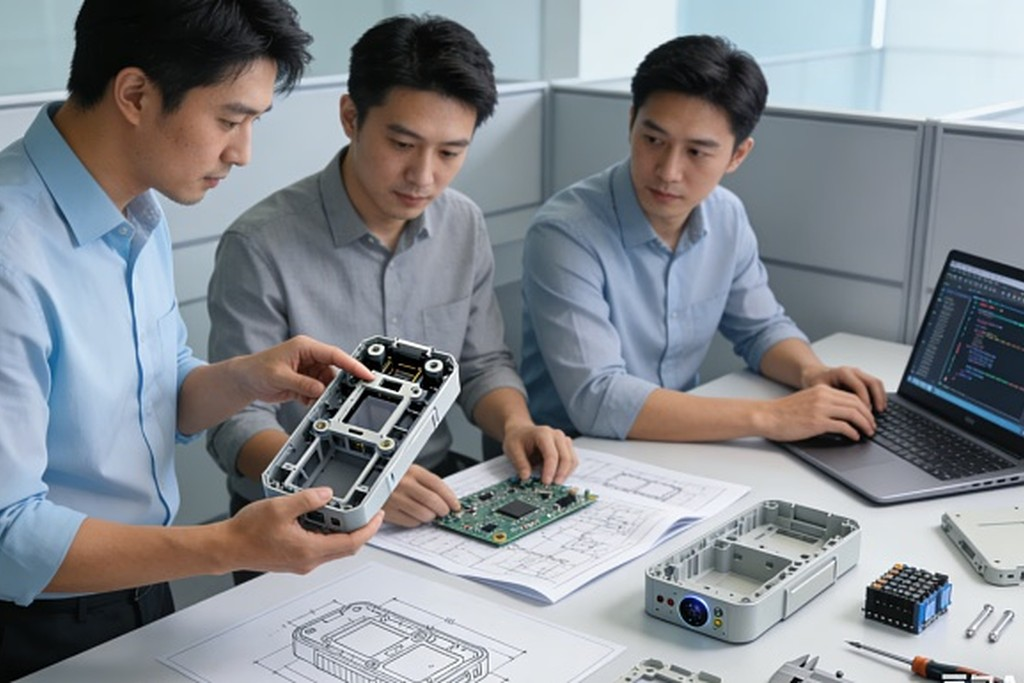
An IoT device is a physical product that connects to a network and shares data. Smart home items, pet tech, wellness devices, and smart appliances are common examples. Most of them have four layers:
- Hardware, such as the housing, sensors, battery, and circuit board
- Firmware, which is the code that runs on the device
- Software, such as a mobile app or a back-end system
- Connectivity, such as Wi-Fi, Bluetooth, or a cloud link
If one layer is weak, the whole product suffers. A great app cannot fix a poor sensor layout. A strong circuit design cannot fix a confusing app. That is why we plan all layers together.
Why Planning Comes First in IoT Product Development
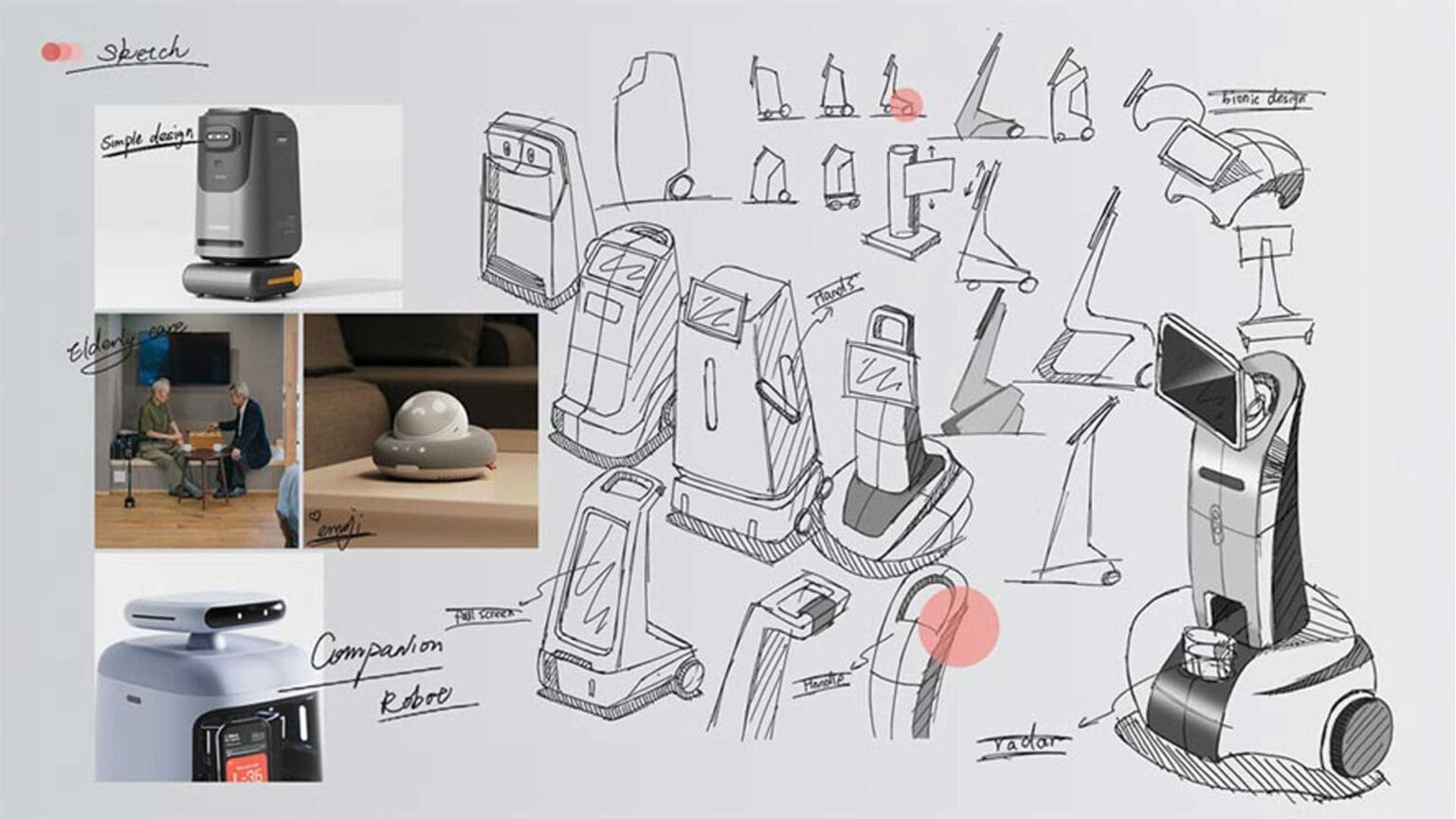
A strategy turns an idea into a clear brief. It sets the product position, the target user, the feature list, and the path forward. Product strategy is the first service we offer. Our goal is a clear position and a clear path for the product.
For connected products, this step matters even more. Every smart feature adds parts, code, and tests. A feature added late can change the circuits, the housing, and the app at once.
Questions to Answer Before Design Begins
Write down clear answers before design begins:
- Who is the user, and where will they use the device?
- What problem does the device solve?
- Which features are must-haves for version one?
- What data does the device collect, and why?
- How will the device connect, and what happens when the connection drops?
- Which markets will you sell in?
- What is the budget range and the launch window?
Start With a Focused First Version
A smaller first version often needs fewer parts and simpler tools. Rank your features in three groups: must have for launch, nice to have, and later release. Add the extras once real users give feedback.
In our standard timeline, strategy work sits inside the feasibility study. That stage takes 2 to 3 weeks. It checks the technology and the market fit. The time is short, but it shapes every stage after it.
IoT Hardware Design: What to Decide Early
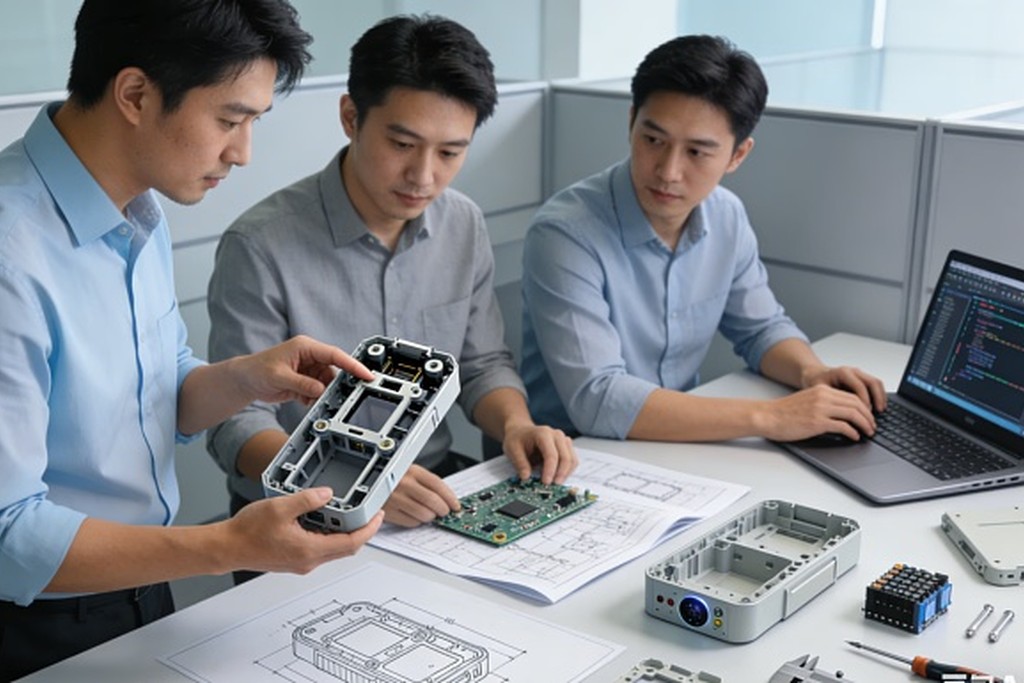
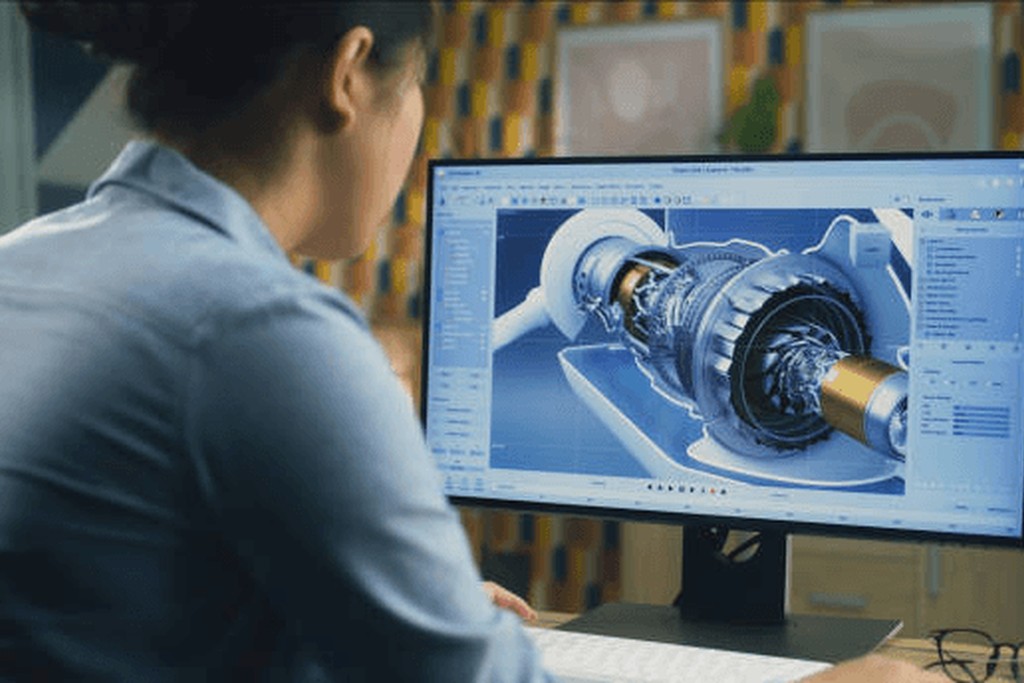
IoT hardware design covers the circuits, the sensors, the power system, and the board layout. Our hardware design work completes the circuit systems and the hardware architecture. It sits next to industrial and mechanical design, which shapes the housing and the way parts fit.
Sensors and Circuits
Choose sensors based on what the product must measure. Then check how they sit inside the housing. A sensor placed in the wrong spot may read poorly, even if the part itself is good.
We worked with a beverage company on a smart fridge. The project needed sensor layout, firmware, and IoT platform links. Another connected product is our smart litter box, an automated self-cleaning unit with health monitoring and app connectivity. Cases like this show how many pieces must fit together.
Power and Size
Battery life and device size trade off against each other. A bigger battery lasts longer but adds weight and cost. Decide early how long the device should run and how often users will charge it. The mechanical team can then plan space for the battery from the start. Good IoT hardware design balances these limits before the first prototype.
Wireless Choices
Wi-Fi, Bluetooth, and other options each have trade-offs in range, power use, and cost. Pick one based on how the device will be used. A wireless choice changes the test plan and the rules that apply. The compliance section below covers that.
AI Software Development and Connected Features
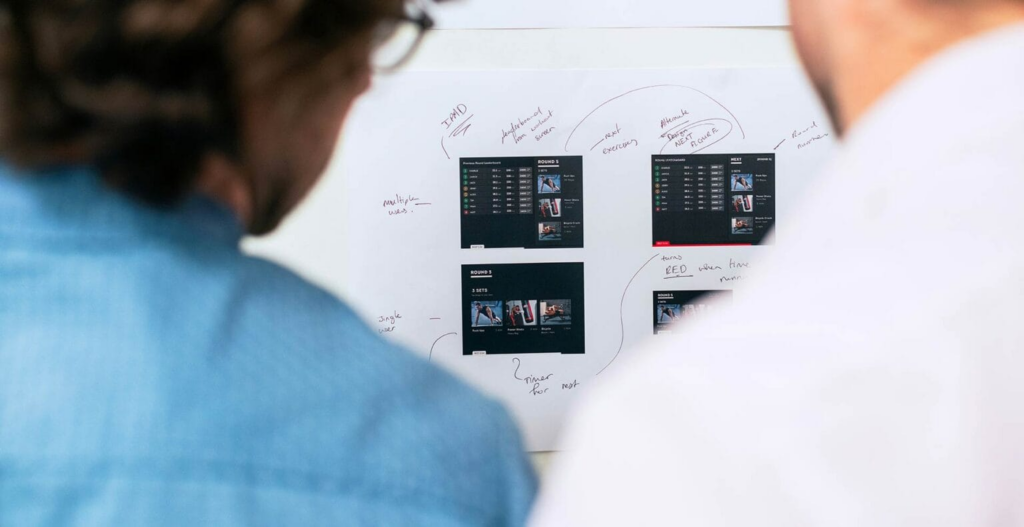
Many IoT products now include smart features. These may use AI software development to read sensor data, spot patterns, or respond to user actions. AI can add real value. It can add scope, cost, and test time too.
Ask a simple question first: does this feature solve a real user problem? If yes, define what the AI should do, what data it needs, and where it will run. If not, keep it out of version one.
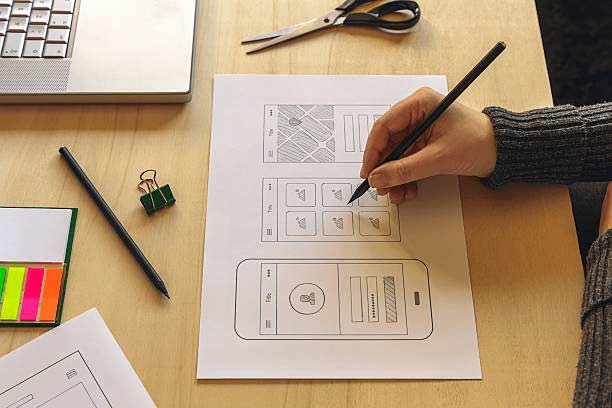
We offer software development for mobile apps and back-end systems. Our case list includes an AI interactive terminal, which adds AI and NFC chip recognition to the product scope. Cases like this show how software choices shape the hardware too. The terminal needs the right parts, the right housing, and the right tests to support those functions.
Plan AI software development and hardware together. Share the feature list with both teams from day one. The circuit board, the firmware, and the app will then match each other at the first prototype.
Security and Updates Belong in the Plan
Connected devices carry data. Users expect that data to stay safe. Treat security as part of the design, not as a patch added later.
The US National Institute of Standards and Technology publishes a core baseline of device cybersecurity capabilities for IoT manufacturers. You can read it on the NIST IoT device cybersecurity page. It offers a starting point for choosing the security features of a new device.
Common topics include how a device is identified, how data is protected, who can access its interfaces, and how software updates arrive. Raise these questions early in your plan. A device that cannot receive updates is hard to fix after launch.
Exploring how to plan your connected product? Our team has helped startups and brands turn ideas into real, manufacturable products. Book a free consultation to discuss your idea.
Prototype and Test Before You Commit to Tools
A render cannot show how a sensor reads, how a battery fits, or how an app responds. A prototype can. In our standard timeline for a consumer electronics or smart device project, engineering validation and prototyping takes 4 to 6 weeks.
Use each sample round with a clear test list:
- Fit of the housing, board, sensors, and battery
- Behavior of the firmware and the app
- Strength and stability of the wireless link
- Size, weight, and ease of use
- Early feedback from your target users
Products with electronics often need more than one round. Plan for that in your schedule. Ask your team how it tests IoT hardware design and firmware in each round. A flaw found in a sample is easy to fix. The same flaw found after tooling is costly.
Design validation with DFM comes next. DFM means design for manufacturability. It checks that a design can be made well and with steady quality. This phase takes 3 to 4 weeks with us. Mold development follows and takes about 5 to 8 weeks.
Electronic Packaging Design: Plan the Box With the Device
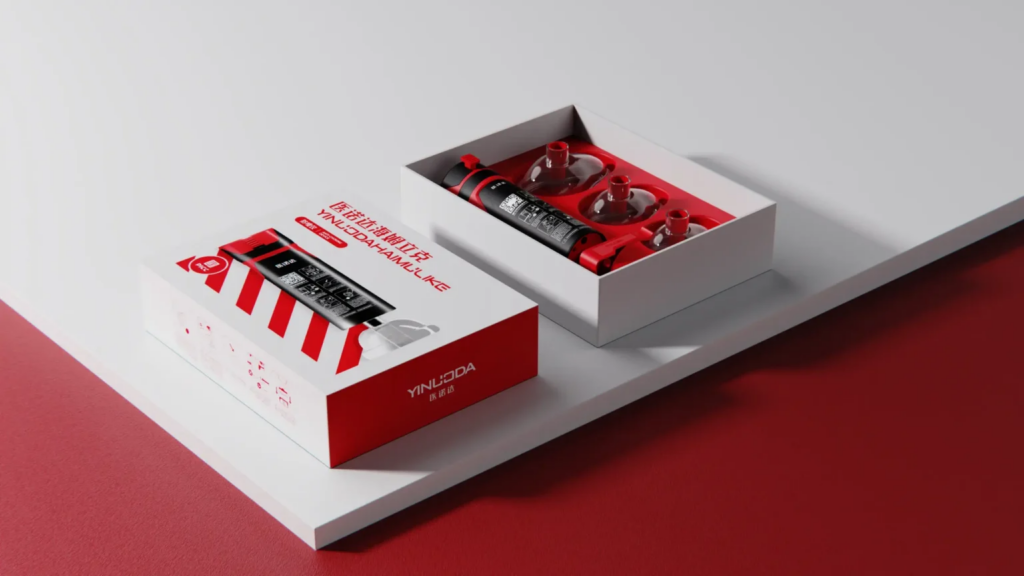
Packaging often enters the budget late. For an IoT device, that can be a costly habit. The box must protect circuits, sensors, and batteries during shipping. It must hold the cables, the guide, and any inserts too. Good electronic packaging design fits the product and keeps unit cost in check.
Packaging also shapes the first moment a buyer opens the box. A clean layout, a clear quick-start guide, and a snug fit all build trust in a connected product.
Plan the pack with the product. The size, the materials, and the print methods will then match the device. Costs depend on structure, materials, print methods, and the number of versions.
We offer packaging design alongside brand design. One example is SLEK, an anti-hair loss shampoo brand. We provided bottle industrial design, brand design, and marketing design as one service. The same joined-up approach helps connected products, where the device, the box, and the brand should feel like one family.
Compliance for Connected Devices
Rules depend on the product and the market. Wireless features raise the number of rules that apply. Raise compliance in your first planning talk. A test result can lead to a design change, and that change is easier before tooling.
Two examples show how rules vary:
- In the United States, devices that emit radio signals fall under the FCC equipment authorization program. The path depends on the type of device.
- In the European Economic Area, a maker adds the CE mark to declare that a product meets the legal rules. Not every product needs it. The European Commission explains the basics on its CE marking page.
IoT Product Timeline at a Glance
The table below shows our standard phases for a consumer electronics or smart device project, with a note on what matters for connected products. Treat these times as a planning range, not a fixed promise.
| Phase | Typical duration | IoT focus |
|---|---|---|
| Feasibility study | 2 to 3 weeks | Strategy, feature list, and tech fit |
| Industrial and mechanical design | 6 to 8 weeks | Housing, sensor placement, and battery space |
| Engineering validation and prototyping | 4 to 6 weeks | Hardware, firmware, and app testing |
| Design validation with DFM analysis | 3 to 4 weeks | Check that the design can be built steadily |
| Mold development | 5 to 8 weeks | Tools for the plastic parts |
| Pilot production and mass manufacturing | Depends on the project | Production steps and quality checks |
The whole path usually takes 6 to 10 months from idea to mass production. Complex connected products may take longer.
Common Mistakes in IoT Product Development
Some mistakes repeat across IoT projects. Most come from acting too late.
- Starting design without a written plan
- Starting AI software development for features that do not solve a user problem
- Treating software and hardware as separate projects
- Leaving security and updates for after launch
- Planning packaging at the end
- Raising compliance after tooling has started
Each one can force a redesign. A written brief, a ranked feature list, and early prototypes prevent most of them.

How OPD Design Supports Connected Products
We work across AIoT, consumer electronics, wellness and medical devices, pet supplies, children’s education, and cosmetic and beauty products. Our services run from product strategy to manufacturing support. They include industrial design, mechanical design, hardware design, prototyping, mold development, packaging design, and compliance and certification.
We work with 300+ cooperative factories. Our quality engineers check quality on every project. We have delivered 100+ products across consumer electronics, IoT devices, and medical equipment.
A product director at Xiaomi described a smart light project where cost was a priority. Our team went through many versions of industrial and mechanical design. We helped them reach very reasonable production prices. See the [Xiaomi smart light case](CASE URL) for more.
Overseas clients get English-speaking project managers. They get weekly updates, video reviews, and shared dashboards. The dashboards show timelines, deliverables, and costs. We sign a mutual NDA before project talks. It states that all design files, prototypes, and deliverables belong to the client.
Conclusion
Plan the circuits and the code together. Test early samples. Raise security, packaging, and compliance in the first talk. Each stage will then support the next. If you have a connected product idea and want to talk through scope and next steps, contact us today.
FAQs
1. What is IoT product development?
It is the full process of turning a connected device idea into a finished product. It covers strategy, hardware, firmware, software, testing, and production.
2. How long does it take to build an IoT device?
We state that a standard consumer electronics or smart device project takes about 6 to 10 months from idea to mass production. More complex products may take longer.
3. Does an IoT device need AI?
Not always. Add AI only when it solves a real user problem. Each AI feature adds scope, data needs, and test time.
4. Why does packaging matter for an IoT device?
The box must protect the circuits and batteries in shipping and hold the guide and parts. Planning it with the product helps avoid late changes.
5. Do IoT devices need certification?
It depends on the product and the market. Devices with wireless features often face extra rules. Check which rules apply before production starts.