
OPD Structural Design Services

Crafting Reliable and Efficient Product Structural Designs
We specialize in product structural design—spanning everything from internal architecture to external mechanical performance—ensuring that products remain stable and reliable throughout production and usage, while simultaneously reducing manufacturing costs.
What Are OPD Structural Design Services?
Structural design serves as the critical bridge that transforms a product from a mere concept into a tangible reality. Exceptional structural design not only determines a product’s stability, durability, and user experience, but also directly impacts mold development costs, manufacturing yield rates, and supply chain efficiency.
In the actual product development process, many projects fail—not due to a lack of creativity—but because the structural design phase failed to adequately account for material properties, manufacturing processes, assembly logic, and the inherent risks of mass production. Through a systematic engineering design methodology, we proactively address design risks by conducting comprehensive Design for Manufacturability (DFM) verification and Design for Assembly (DFA) optimization during the early stages, thereby significantly reducing the costs associated with subsequent revisions.
Our structural design services are widely applied across diverse sectors—including consumer electronics, smart hardware, and industrial equipment—enabling our clients to achieve a seamless transition from initial conceptualization to successful mass production.

Through product requirement definition, user journey analysis, concept exploration, and technology path planning, a structured product roadmap can be created. Cost estimation and development timeline planning are also important parts of this stage, helping teams understand the investment required and the expected development schedule.
A well-defined product strategy aligns product vision, design direction, and engineering execution. It reduces development uncertainty, avoids unnecessary redesigns, and ensures the product is built with a clear market purpose. For companies developing new smart devices, consumer electronics, or IoT products, product strategy is essential for transforming an initial idea into a viable and scalable product concept.
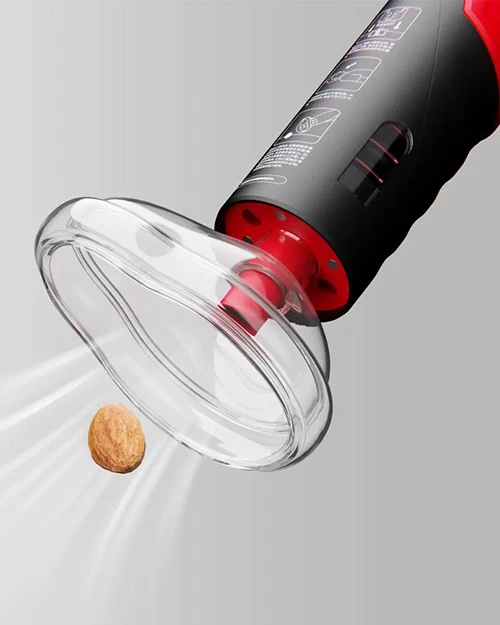
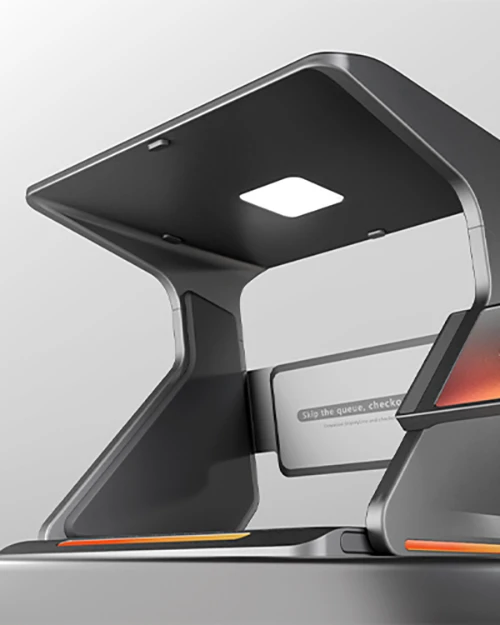
Featured Projects
OPD Product Strategy Services
We break down the structural design process into several key engineering modules to ensure that a product possesses both mass-production readiness and stable performance right from the design phase.
Internal structural architecture design
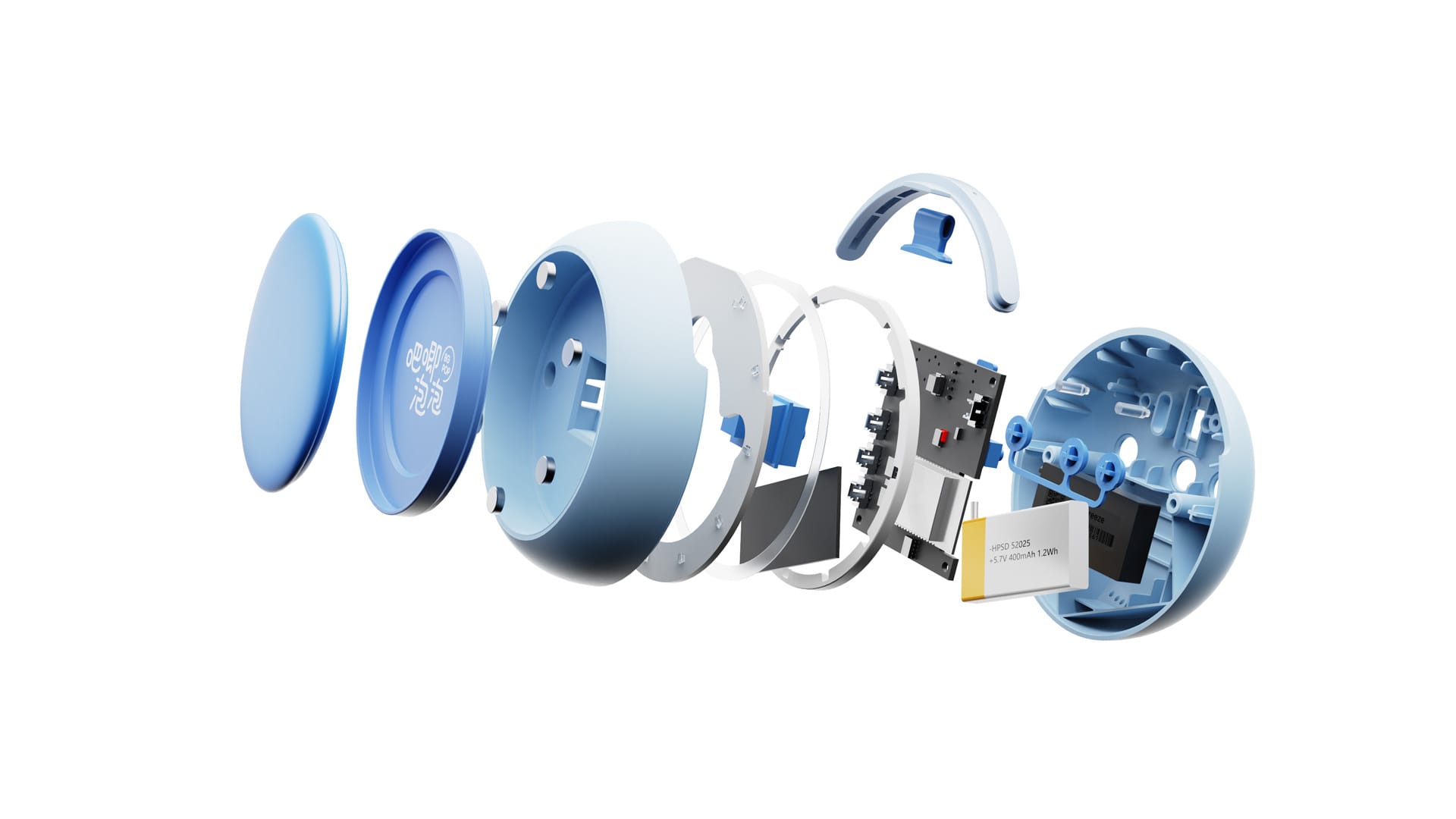
layout of core components (PCBs, batteries, modules, etc.)
design of assembly logic and disassembly methods
3D structural modeling
component design (housings, brackets, latches, fasteners, etc.)
material and process selection (plastics, metals, silicones, etc.)
Design for Manufacturability (DFM)
optimization of part-splitting strategies
CAE simulation analysis
cost optimization recommendations
assembly efficiency optimization
We integrate these modules to work in synergy, focusing not merely on “how to design,” but—more importantly—on “how to manufacture, validate, and ultimately achieve stable mass production.”
How does it work
structural design services
At OPD, we view structural design not as a standalone step, but as a comprehensive engineering system that spans the entire product development lifecycle. From proof-of-concept to mass production launch, we employ a phased approach to ensure that every design decision is thoroughly validated, ultimately serving the realities of manufacturing and commercialization.
1. Requirements Analysis
At the project’s inception, we gain a deep understanding of your product objectives, technical constraints, and commercial expectations to ensure we are heading in the right direction rather than proceeding blindly.
2. Conceptual Structural Design
We draft preliminary layouts for the product’s structure and mechanical mechanisms, evaluating them from the perspectives of feasibility, cost, and manufacturability to help clients select the optimal path forward.
3. 3D Modeling & Internal Layout
In this phase, we translate the structural concepts into complete engineering design data, ensuring the design is ready for prototyping and further development.
4. Materials & Process Evaluation
We select appropriate materials and assess the feasibility of manufacturing processes.
5. Simulation & Validation
We conduct simulation tests to verify structural strength, drop resistance, and overall durability.
6. DFM Optimization
We optimize the design from manufacturing and cost perspectives to ensure the product is fully ready for mass production.
7. Design Output & Mass Production Launch
We deliver comprehensive structural design documentation and 3D models, and provide engineering support throughout the tooling and pilot production phases.

CEO
A startup children's products company
Working with OPD was a game-changer for our brand. Their product design expertise brought ourvision to life, and their seamless product development process ensured a successful launch. From proto-typing to manufacturing, they exceeded our expectations at every step.

Product Director
Xiaomi
We chase for extremely cost-effective products. The product we collaborated with OPD on is smart light. Due to the cost of product, we went through numerous versions of industrial design, mechanical design and so no. OPD helping us obtain very reasonable production prices. Looking forward to the next collaboration!

VP
FMCG brands in the Middle East
We are a beverage company, and planned to create a smart refrigerator to monitor our retail data in real-time. We were fortunate to find OPD, No matter sensor layout, firmware development or loT platform integration, they have done exceptionally well. Our product is still iterating, the OPD team has laid a good foundation.
Awards and Honors
Our product designs have won top global design awards.


Why Clients Choose OPD for Structural Design Services
1. Mass-Production-Oriented Design Thinking,Beyond Mere Structural Design
Many structural designs stop at the point of being “physically buildable” but fail to be “scalable for mass production.” From the very inception of a project, we integrate Design for Manufacturability (DFM), Design for Assembly (DFA), and cost control to ensure that every design decision serves the ultimate goals of mass production and commercial success.
2. Cross-Disciplinary Integration Capabilities (Structural × Electronics × Industrial Design)
Structural design does not exist in isolation; it requires a high degree of synergy with electronics engineering and industrial design. OPD possesses extensive experience in cross-functional collaboration, involving deep coordination between structural design and PCB/hardware engineering, feasibility assessments for industrial design concepts, and proactive mitigation of potential design conflicts.
3. End-to-End Process Expertise: From Concept to Mass Production Launch
While many teams specialize in only a single phase, we provide expertise spanning the entire product development lifecycle: Conceptual Structural Definition (POC), Prototype Verification (EVT), Design Optimization (DVT), and Mass Production Validation (PVT).
4. Emphasis on Verification,Rather Than Sole Reliance on Intuition
We do not rely on subjective “gut feelings” or intuition to deem a design viable; instead, we ensure design reliability through rigorous verification processes—including physical prototype testing, structural simulations, and multiple rounds of iterative optimization—thereby helping clients minimize the risk of failure and enhance product stability.
5. Deep Involvement in Manufacturing,Preventing the "Design-Production Disconnect"
Many design firms consider their work complete once technical drawings are handed over, yet the most critical issues often emerge during the actual production phase. OPD remains deeply involved throughout this stage—participating in mold reviews, mold trials (T0/T1/T2), and production issue resolution—to ensure that the design is truly manufacturable and does not remain merely a concept on paper.
6. Cost and Efficiency-Driven Engineering Decisions
We focus not only on whether a product can be built, but—more importantly—on whether it is built sensibly. Throughout the design process, we continuously optimize factors such as component count, material and process selection, and assembly efficiency, helping clients strike the optimal balance between performance, cost, and quality.
7. Flexible Collaboration Models,Tailored to Specific Project Stages
Recognizing that clients operate at various stages of development, we offer flexible engagement models: from comprehensive end-to-end development (taking a project from 0 to 1) to mid-project design optimization, and even troubleshooting during the mass production phase. By avoiding rigid, one-size-fits-all workflows, we ensure our approach remains highly responsive to the unique and practical needs of each specific project.
FAQ
Can structural design balance both aesthetics and functionality?
Yes. During the design phase, we collaboratively optimize the structure
and aesthetics to ensure the product is both visually appealing and structurally reliable.
Does your structural design process support rapid prototyping and validation?
Yes, it does. We offer various prototyping methods—including 3D printing, CNC machining, and more—while simultaneously conducting assembly validation
and functional testing. This allows us to identify potential issues early on, thereby reducing the costs associated with later design modifications.
We already have a design for our product; can you help us optimize it?
Absolutely. OPD offers flexible engagement options tailored to your specific needs, including: structural optimization and refinement; Design for Manufacturability (DFM) assessments and recommendations; optimization of assembly efficiency and cost-effectiveness; and pre-production risk identification and mitigation strategies. You don’t need to start from scratch to significantly enhance the quality of your existing design.
How does OPD's structural design team collaborate with electronics or industrial designers?
We prioritize cross-disciplinary collaboration: working with electronics engineers on PCB and module layouts;
aligning with industrial designers on aesthetics and user experience;
and synchronizing with the supply chain regarding manufacturing processes and cost requirements.
This approach prevents design conflicts and significantly boosts overall development efficiency.
Can you provide support for tooling and manufacturing issues during the mass production phase?
Yes. OPD participates in mold reviews, provides support during mold trials (T0/T1/T2),
and assists with the analysis and optimization of production-related issues.
This ensures that the design is successfully translated into mass production,
preventing critical failures or setbacks during the manufacturing stage.
What files or data will I receive upon completion of the design?
We provide data that is immediately ready for prototyping, validation, and mass production.
This includes: complete 3D structural models, Bills of Materials (BOM),
2D engineering drawings, material and process specifications, and reports detailing assembly recommendations and design optimizations.
What types of products are suitable for OPD's structural design services?
Our services are applicable to a wide range of products, including—but not limited to—consumer electronics, smart hardware devices, medical equipment, industrial machinery and instrumentation, pet products, and smart home appliances. Our design processes are adaptable to projects of varying complexity and industry-specific requirements.
How do you ensure that the design can successfully enter overseas markets?
We prioritize reliability, safety, and manufacturing consistency right from the design stage,
while also maintaining familiarity with international standards and certification requirements (such as CE, UL, IP, etc.).
CORE SERVICES
Functional Definition & PRD Input
User Process Analysis
Product Concept Sketching
Technical Pathway & Risk Assessment
Cost Estimation & Timeline Projection