
Product Strategy Services Company
Turning ideas into actionable plans.
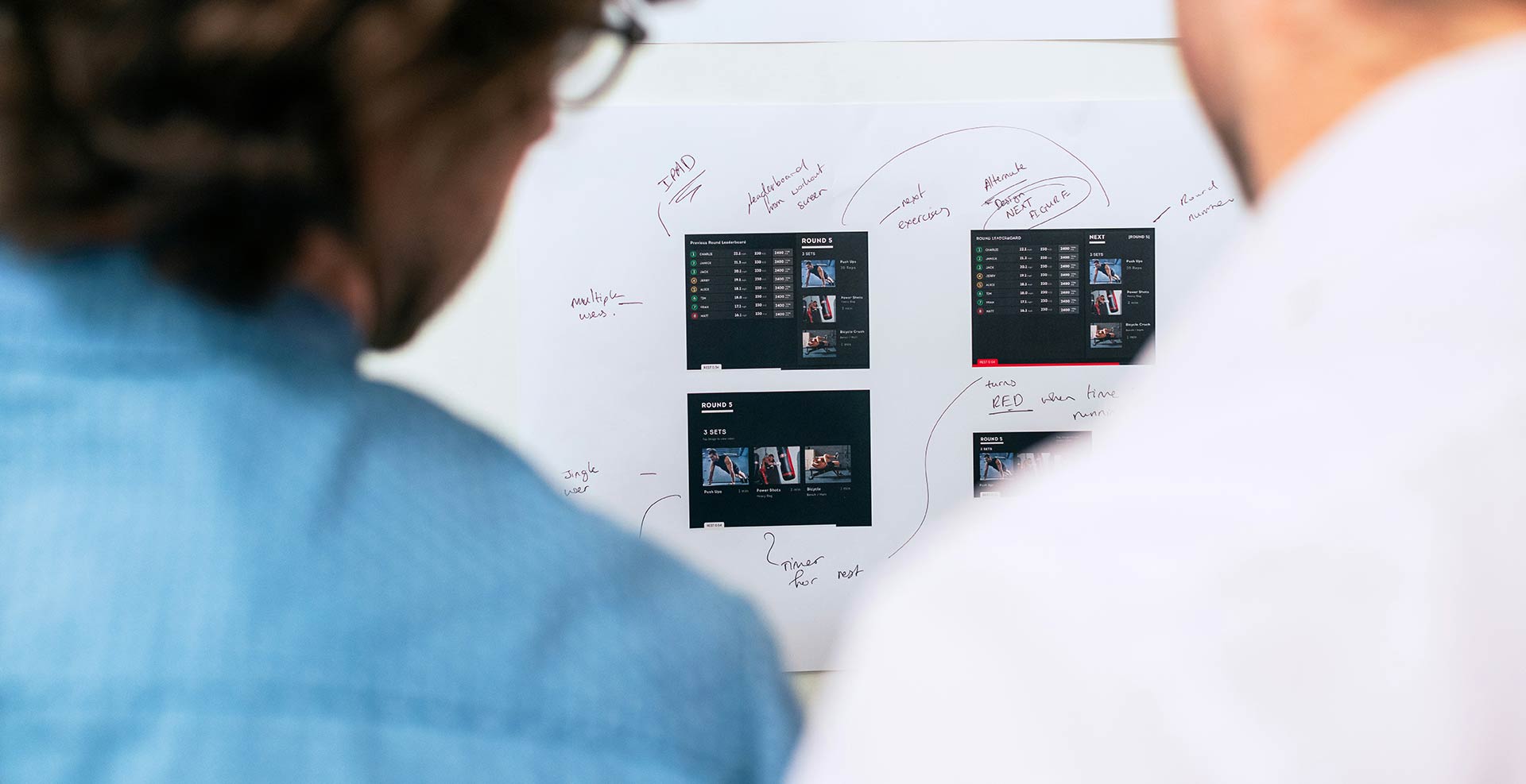
Every successful product begins with a clear and strategic foundation.
Our Product Strategy step helps clients define what to build, why to build it, and how to make it happen. We analyze user needs, outline functional requirements, and map out the product journey to ensure each concept is grounded in reality and guided by market insight., We also evaluate technical feasibility, production cost, and potential risks early on – giving you a realistic path from idea to execution.
More services:-
Industry solutions:-
About Us
At OPD DESIGN, we are passionate about transforming ideas into successful products that make a lasting impact. Our diverse team of designers, engineers, and strategists work together to bring innovative concepts to life, ensuring that every product is both functional and beautifully crafted.
With a focus on product strategy, we help businesses navigate the complexities of modern product development. We work across multiple industries, including consumer electronics, healthcare, and smart home systems, tailoring our approach to meet the specific needs of each project.
Our methodology is rooted in collaboration, creativity, and technical excellence. We focus on understanding market needs, evaluating technical feasibility, and ensuring manufacturability, providing a clear and actionable roadmap from concept to market.
Awards and Honors
Our product designs have won top global design awards.





CEO
A startup children's products company
Working with OPD was a game-changer for our brand. Their product design expertise brought ourvision to life, and their seamless product development process ensured a successful launch. From proto-typing to manufacturing, they exceeded our expectations at every step.

Product Director
Xiaomi
We chase for extremely cost-effective products. The product we collaborated with OPD on is smart light. Due to the cost of product, we went through numerous versions of industrial design, mechanical design and so no. OPD helping us obtain very reasonable production prices. Looking forward to the next collaboration!

VP
FMCG brands in the Middle East
We are a beverage company, and planned to create a smart refrigerator to monitor our retail data in real-time. We were fortunate to find OPD, No matter sensor layout, firmware development or loT platform integration, they have done exceptionally well. Our product is still iterating, the OPD team has laid a good foundation.
Featured Projects

Smart Comb
A scalp care comb with a misting function, featuring an ergonomic design that combines style and practicality.
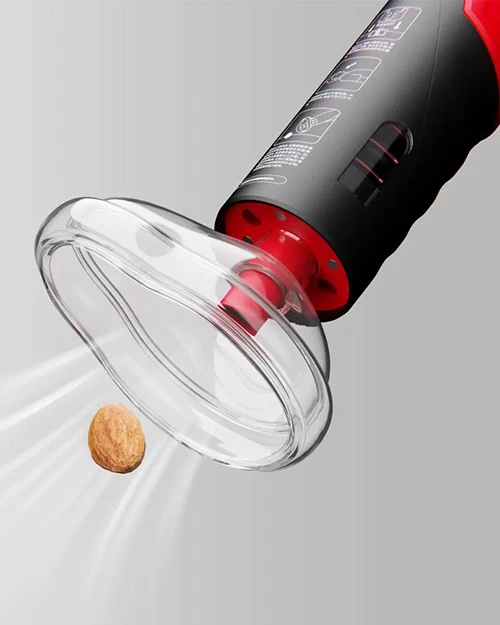
Anti-Choking Device
A home-use Heimlich maneuver device developed based on the principles of the Heimlich maneuver.
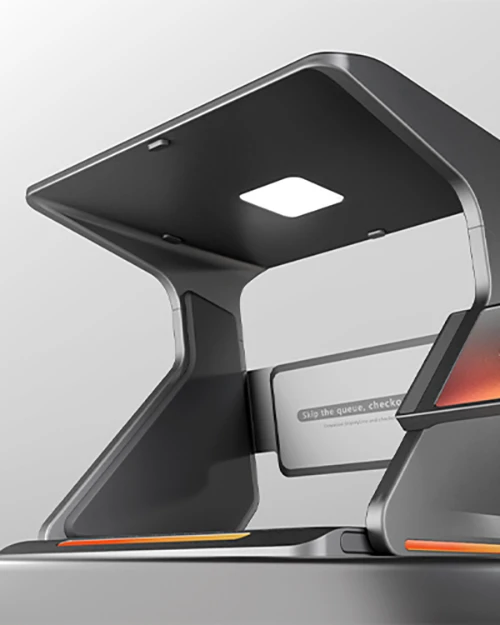
Self-Service Checkout System
These are the core devices supporting the "unmanned shopping" scenario and the key terminals for improving shopping efficiency.
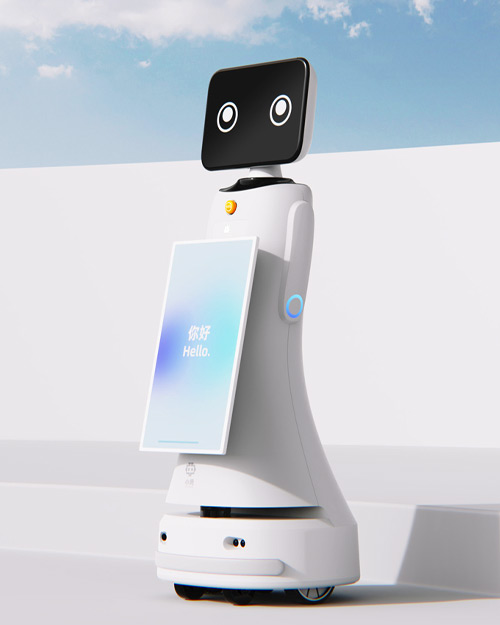
Care Robot
A care robot that integrates safety monitoring, daily assistance, and emergency response.

Kids Smart Toothbrush
Let children learn to brush their teeth independently in a fun way.
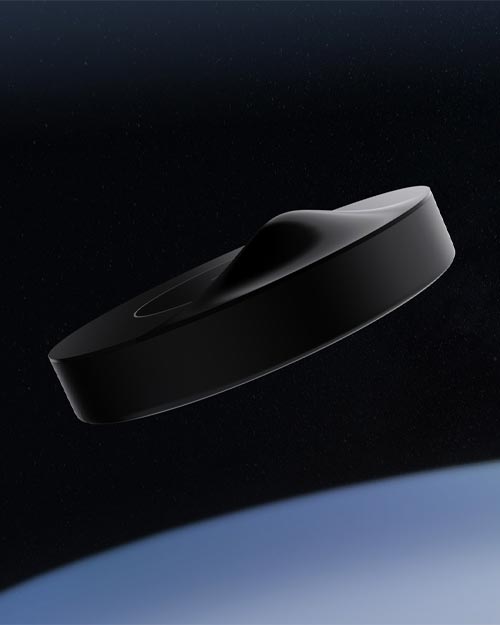
Sci-fi style electric ceramic stove
Spaceship-themed electric ceramic stove: a modern lifestyle.
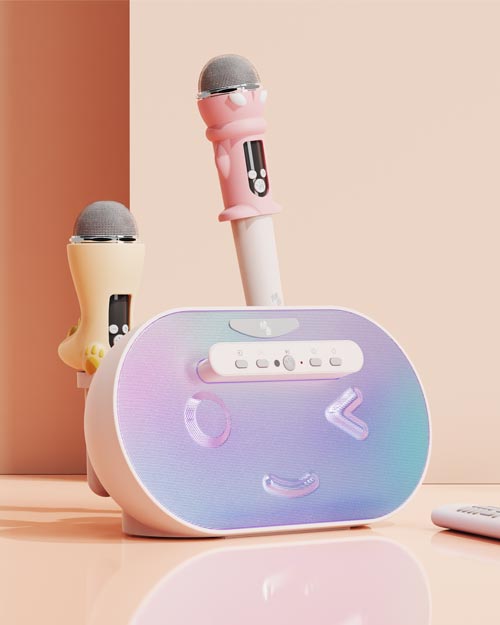
Children's KVT
Allowing children to learn through play and grow through learning.

AI interactive terminal
This project uses AI to recognize NFC chips, match IP-specific audio effects, enabling “one Baji, one exclusive interaction”
Key Benefits of Effective Product Strategy
A well-defined product strategy sets the foundation for successful product development, aligning goals, user needs, and market demands. Here are the primary benefits of a clear, structured product strategy:
Clear Direction and Focus
Reduced Risk and Uncertainty
Better Market Positioning
Improved Resource Allocation
Faster Time to Market
Enhanced Innovation
Ready to Define Your Product’s Direction?
A clear product strategy is the first step toward building a successful, market-ready solution. Whether you need expert product strategy consulting, structured planning, or guidance, the right foundation makes all the difference.
Let’s turn your idea into a focused, actionable roadmap. Contact us today for a free consultation and take the first step toward building smarter, scalable, and strategically aligned products.
What We Do: Comprehensive Product Strategy Services
A strong product strategy begins with structure, clarity, and measurable direction. Our core services are designed to transform early ideas into actionable plans through detailed analysis, technical evaluation, and strategic alignment. Each stage supports informed decision-making and builds a solid foundation for successful execution.
Functional Definition & PRD Input
Clear functional definition lays the groundwork for structured development. This stage translates ideas into detailed product requirements documentation (PRD), outlining features, performance metrics, and system expectations. Through effective product strategic planning, every function is aligned with user needs, technical feasibility, and business objectives. A well-prepared PRD reduces ambiguity, improves cross-team communication, and ensures that development begins with a shared understanding of priorities and scope.
User Process Analysis
Understanding user interaction is critical when shaping a competitive product strategy. User journey mapping evaluates behavior patterns, pain points, and engagement scenarios to uncover meaningful opportunities for improvement. This process ensures that the product is built around real usage conditions, not assumptions. The result is a clearer value proposition and a more intuitive overall experience.
Product Concept Sketching
Concept sketching explores multiple solution pathways before technical resources are committed. This stage supports product strategy consulting by transforming abstract ideas into visual directions that can be compared and refined. Early visualization helps define feature hierarchy, product positioning, and differentiation strategy, ensuring alignment before detailed engineering begins.
Technical Pathway & Risk Assessment
Defining the technical pathway clarifies how a concept will be engineered and brought to market. For IoT products strategy, this includes system architecture planning, connectivity frameworks, and integration feasibility. Structured risk assessment identifies potential development barriers early, allowing teams to proactively address constraints related to performance, compliance, or scalability.
Cost Estimation & Timeline Projection
Accurate cost modeling and timeline forecasting create a realistic execution framework. Financial projections evaluate production investment, tooling considerations, and operational expenses to support strategic decision-making. By aligning budget expectations with scope and technical requirements, the overall product strategy becomes commercially viable, measurable, and execution-ready.
Why Choose OPD Design for Product Strategy?
A well-defined product strategy is the foundation of every successful product. At OPD Design, we combine deep market insights, technical expertise, and strategic planning to ensure your ideas are transformed into actionable, commercially viable roadmaps. Our approach aligns IoT products strategy to deliver clear direction, reduce risks, and accelerate development.
By integrating user insights, technical feasibility, and business objectives from the outset, we ensure your product is not only innovative but also practical, scalable, and market-ready. Our team provides guidance that turns uncertainty into clarity, enabling confident decisions at every stage of product development.
1. Strategic Roadmaps
We translate ideas into structured plans that define goals, prioritize features, and map the path from concept to market, giving your project a clear focus.
2. User-Centered Insights
Through detailed user process analysis, we uncover real-world needs, optimize user journeys, and ensure that products are intuitive, usable, and aligned with customer expectations.
3. Risk & Technical Assessment
Early evaluation of technical feasibility, system architecture, and potential risks ensures scalable, manufacturable solutions while minimizing costly delays and redesigns.
4. Market & Resource Alignment
Accurate cost estimation, timeline projections, and market positioning help optimize resources, reduce uncertainties, and ensure your product launches efficiently and successfully.
Frequently Asked Questions
Why is product strategy important before development begins?
A clear product strategy reduces guesswork and prevents costly mid-project changes. It aligns technical planning with market demand, ensuring development efforts are purposeful and structured from the beginning.
What is included in professional product strategy consulting?
Product strategy consulting typically includes market analysis, functional definition, user research, feasibility assessment, cost evaluation, and roadmap creation. The goal is to build a clear path from concept to launch.
How does product strategic planning reduce risk?
Product strategic planning identifies technical, financial, and operational risks early. By evaluating these factors upfront, teams can make informed decisions and adjust direction before significant resources are committed.
How is IoT products strategy different from traditional planning?
An IoT products strategy must address connectivity, ecosystem compatibility, data security, and user interaction across devices. It requires additional architectural planning compared to standalone products.
When should a new product strategy be reviewed or updated?
A new product strategy should be revisited when market conditions shift, new technologies emerge, or customer feedback reveals changing expectations. Regular evaluation keeps the product aligned with long-term business goals.
OPD Product Strategy Services
The product strategy phase aims to reduce uncertainty and clarify direction. By breaking down strategy into structured steps—such as user analysis, feature definition, technical feasibility assessment, and cost planning—the development team can systematically transform initial ideas into a clear product roadmap.
Market and Competitive Analysis
User Needs and Usage Scenario Analysis
Product Requirements Documentation
Technical Path and Feasibility Assessment
Development Timeline and Milestone Planning
The OPD product team possesses extensive experience in product development and business operations. This structured approach ensures that business objectives, user needs, engineering feasibility, and manufacturing considerations are aligned before design and engineering begin. It significantly reduces development risk, avoids costly redesigns, and helps companies create products with greater market potential.
How does it work
Product Strategy Services
Our product strategy services cover everything from market research, user research, feature definition, technology assessment, risk analysis to development roadmap planning. Through professional methodologies and accumulated experience, we ensure that every product decision our clients make is data-driven and actionable, giving products a clear direction and competitive advantage from the concept stage.
1. Initial Requirements Gathering and Goal Clarification
In the early stages of product strategy development, we engage in in-depth communication with clients to gather their product vision, target market, core functional requirements, and business objectives. Through interviews, questionnaires, existing data analysis, and competitor research, we establish a complete list of requirements and clarify the product’s core value and unique selling points.
2. Market Analysis and Competitive Research
We conduct comprehensive research on the target market, including market size, growth trends, user preferences, competitor analysis, and industry technology development. Through a deep understanding of the market, we identify potential opportunities and market gaps, providing a basis for product positioning and differentiation strategies.
3. User Research and Scenario Analysis
Through user profiling, behavioral analysis, and usage scenario research, we gain insights into the real needs, pain points, and operating habits of our target users. Simultaneously, we analyze user behavior in different environments and contexts to identify key usage stages and potential difficulties.
4. Feature List Development and Prioritization
Based on market research and user needs analysis, we list all product features and prioritize them according to user value, technical feasibility, development cost, and time priority. We establish a feature blueprint to provide clear guidance for subsequent design and development phases.
5. Technical Feasibility Assessment:
We invite hardware and software engineers to assess the technical implementation path of each functional module, analyzing technical difficulties, costs, development cycles, and potential risks. We develop alternative solutions for key technologies or innovative modules to ensure there are contingency plans during development.
6. Risk Identification and Management:
We conduct a comprehensive assessment of feature implementation, cost control, supply chain, timelines, and technical risks. We establish a risk matrix and propose mitigation strategies, including technical alternatives, feature adjustment suggestions, and phased acceptance mechanisms.
7. Development Roadmap Planning and Milestone Setting
We develop a product development roadmap, clarifying the goals and deliverables for each stage, including proof of concept, prototype development, technology verification, prototype testing, and mass production preparation. Each milestone clearly defines the responsible party, delivery standards, and timelines, ensuring project traceability and manageability.
FAQ
Can we collaborate if we only have a preliminary idea?
Yes. Many projects begin with nothing more than a vague direction.
Through user scenario analysis, competitor research, and feature decomposition,
we will gradually transform your idea into a clear product definition,
delivering an actionable Product Requirements Document (PRD) and a development roadmap.
What are the final deliverables for your product strategy services?
We typically deliver a comprehensive product definition proposal, which includes the functional structure, user flows,
technical approach recommendations, cost range estimates, and a phased development plan.
This documentation serves not only as a basis for decision-making but can also be directly utilized as input for subsequent design and engineering development phases.
How long does the product strategy phase typically take?
Depending on the complexity of the project, it generally takes between 2 to 6 weeks.
For complex projects, we may proceed in stages—for instance,
by first defining the core functionalities before gradually refining the overall system architecture.
How do you determine whether a product is worth developing?
We evaluate products based on three core dimensions:
Is the user need genuine and does it involve a sufficient frequency of use?
Is the technical solution feasible and stable?
Does the cost structure support commercial viability?
Many failed projects stem fundamentally from flawed demand assumptions or unsustainable cost models, rather than from technical issues.
How do you prevent product features from spiraling out of control (feature creep)?
During the strategy phase, we establish a clear system for prioritizing features—categorizing them into core features, enhancement features, and extension features.
We then make trade-offs based on development costs and timelines to ensure the product remains focused on delivering its core value.
How do you mitigate development risks during the early stages?
We create a “Risk Register” and conduct pre-validation of critical technical elements.
For example, we use prototyping or technical assessments to verify high-risk modules early on,
thereby preventing major issues from arising during the later stages of development.
CORE SERVICES
Functional Definition & PRD Input
User Process Analysis
Product Concept Sketching
Technical Pathway & Risk Assessment
Cost Estimation & Timeline Projection