
Product Packaging Design service
From structural innovation to shelf-ready branding — packaging that protects, engages, and scales.
![product packaging design services — structural and brand packaging by OPD Design]](https://www.opd-design.com/wp-content/uploads/2025/12/packaging.jpg "OPD DESIGN | Package Design")
OPD Design creates product packaging that combines structural design, brand storytelling, and production efficiency. We deliver packaging that protects your product, strengthens your brand, and scales from prototype to mass production.
Packaging is the first physical interaction users have with your product. It’s where your brand makes its first impression.
We combine structural design, materials, and visual storytelling to create packaging that reflects your brand identity. Our approach balances form, function, and sustainability. This makes your product stand out from shelf to unboxing.
What Are Product Packaging Design Services?
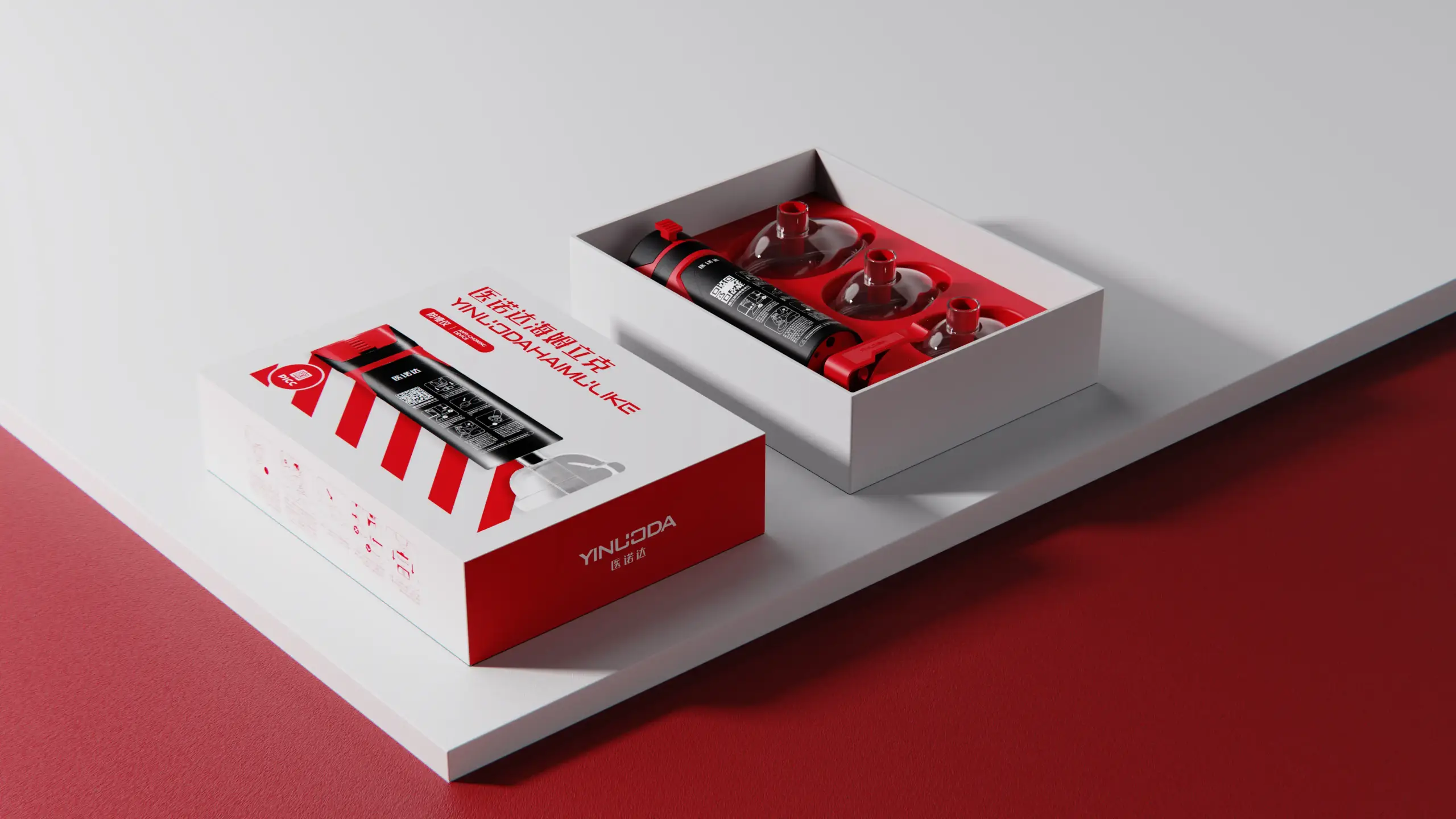
OPD Design is a product packaging design agency specializing in structural design, brand packaging, and manufacturing-ready solutions. Our expertise spans consumer electronics, beauty products, and FMCG packaging.
We deliver packaging that protects products while clearly communicating your brand story.
From concept development to packaging prototype and mass production, we focus on creating packaging that is visually compelling and manufacturable. We combine structural innovation, aesthetic design, and material optimization. This ensures every product meets the highest standards of quality and usability.
Beyond visual appeal, we also consider user experience, sustainability, and production efficiency. Our goal is to create packaging that enhances your brand and makes a positive impact on the customer journey.
Awards and Honors
Our product designs have won top global design awards, including iF, Red Dot, MUSE, Good Design, London, and French Design Awards.

CEO
A startup children's products company
Working with OPD was a game-changer for our brand. Their product design expertise brought our vision to life, and their seamless product development process ensured a successful launch. From prototyping to manufacturing, they exceeded our expectations at every step.

Product Director
Xiaomi
We prioritize extremely cost-effective products. The product we collaborated with OPD on is a smart light. Due to product cost constraints, we went through numerous versions of industrial design, mechanical design, and so on. OPD helped us obtain very reasonable production prices. Looking forward to the next collaboration!

VP
FMCG brands in the Middle East
OPD Design transformed our beverage packaging from concept to retail-ready solution. Their structural design expertise ensured our bottles were both shelf-stable and visually striking. The team’s attention to detail in material selection and production optimization reduced our packaging costs by 18% while improving sustainability.
Featured Projects
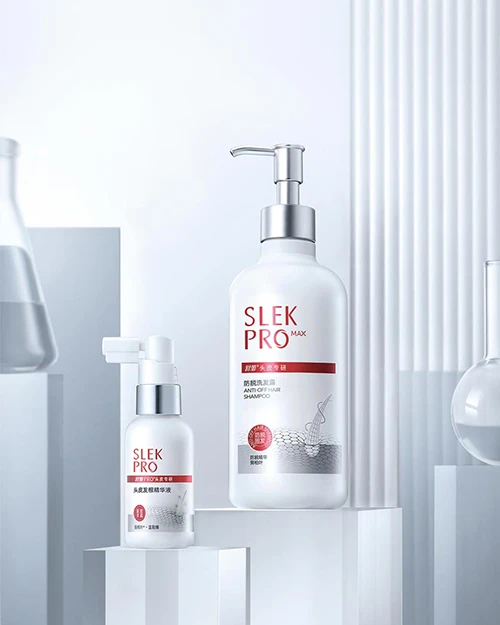
Anti-hair loss shampoo
One-stop packaging services including bottle industrial design, brand identity, and marketing packaging design. We created a cohesive visual system from product to shelf.

leaPower Power Accessories
Power your life. We designed the complete brand identity and product packaging lineup for leaPower's portable power accessories, ensuring consistency across all SKUs.
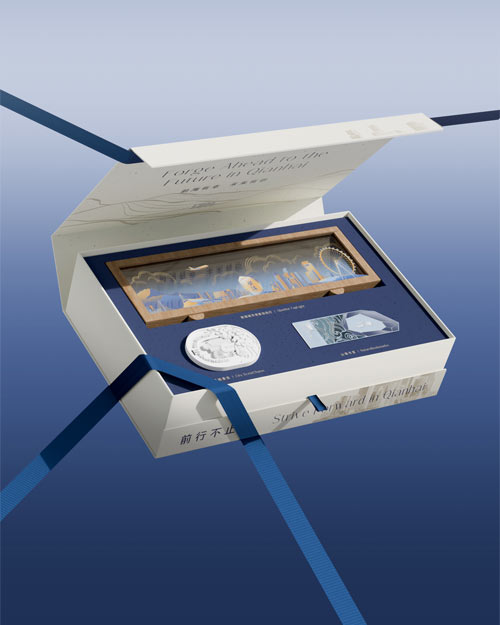
Customized gift boxes
In the warm form of a "gift," Qianhai conveys its respect and expectations for global talent. We designed custom packaging that reflects the program's prestige and thoughtfulness.
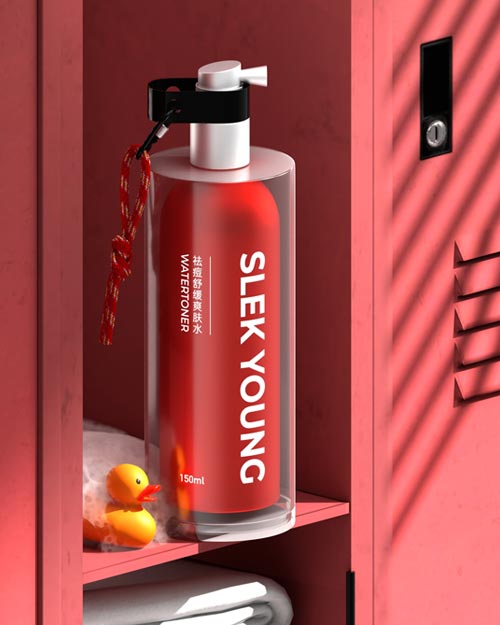
Teen Skin Care Packaging
Inspired by fire extinguishers, we designed an anti-acne skin care brand for teenagers. The packaging combines bold visual design with functional dispensing systems.
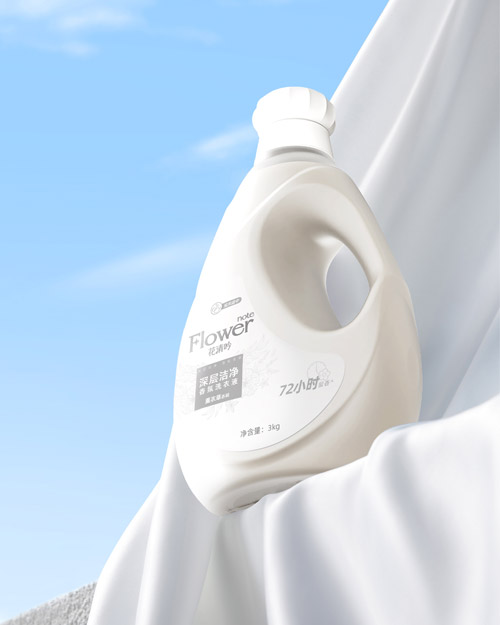
Household cleaning series
We used pure white to emphasize the cleanliness of household cleaning products. The minimalist packaging design creates a cohesive brand family across multiple product categories.
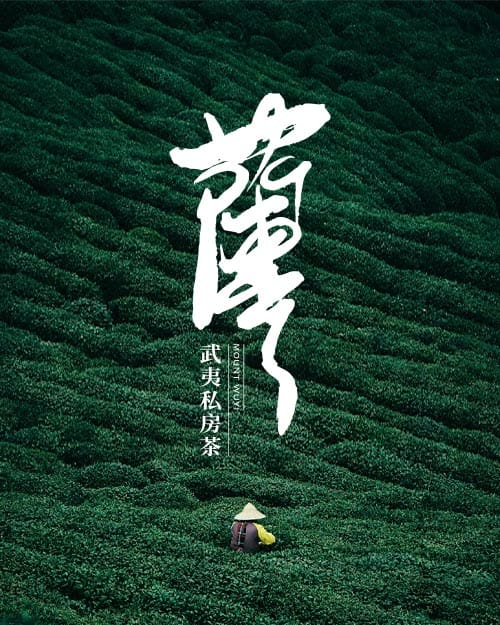
Mountain Tea Packaging
Natural ecological tea packaging design. We created a brand identity that reflects the product's organic origins and premium quality through earthy tones and sustainable materials.
Key Benefits of Product Packaging Design
Effective product packaging design brings measurable advantages to both your brand and your business:
Strong Brand Presence
Enhanced Product Protection
Improved Shelf Impact
Cost-Effective Production
Sustainability and Efficiency
Better User Experience
What We Do: Packaging Design Services
Our comprehensive product packaging design services guide your project from concept to mass production. We ensure every detail aligns with brand identity and functional requirements.
Brand Visual Identity
Packaging serves as an extension of your brand. We focus on translating your brand’s values into visual storytelling. From logos and color schemes to typography and messaging, every element is thoughtfully designed.
We create a cohesive, recognizable identity that resonates with your target audience. This makes your packaging instantly recognizable on the shelf and in the hands of consumers.
Package Structural Design & DFM
Structural design ensures that your packaging is not only visually appealing but also functional and durable. Through design for manufacturability (DFM) principles, we focus on material efficiency, production simplicity, and durability.
Therefore, the packaging can be easily assembled and transported without compromising on protection. This stage guarantees the final product meets both safety and logistical requirements, reducing costs and enhancing the user experience.
Cosmetic & Graphic Design
Our cosmetic and graphic design services focus on making your packaging visually captivating. We maintain a strong connection to your brand identity throughout the design process.
Whether for beauty product packaging or other consumer-facing solutions, we work on layouts, imagery, and finishes. Thoughtful design ensures that every element supports your brand’s positioning and appeals to your target market.
Packaging Prototype
Packaging prototypes allow for hands-on evaluation of the design’s functionality, aesthetics, and usability before mass production begins. We create physical or digital models that simulate how the final packaging will perform.
By testing prototypes for durability, visual impact, and ease of use, we ensure the final design is practical and visually compelling. This meets all your requirements for product protection and brand appeal.
Mass Production
Once your packaging design has been finalized, we support the transition from prototype to mass production. Our team ensures that quality, consistency, and cost-efficiency are maintained at scale.
From material selection to production methods, we guide you through the entire manufacturing process. This ensures your packaging meets high standards and is produced efficiently for large-scale distribution.
Why Choose OPD Design for Product Packaging Design?
Packaging is your product’s first impression. It tells your brand story and protects what’s inside. At OPD Design, we specialize in industrial and beauty products, delivering solutions that are visually appealing, functional, and production-ready.
From initial concept to mass production, we focus on structural innovation, user experience, and sustainability. Our team ensures every package enhances brand value, optimizes logistics, and stands out in competitive markets.
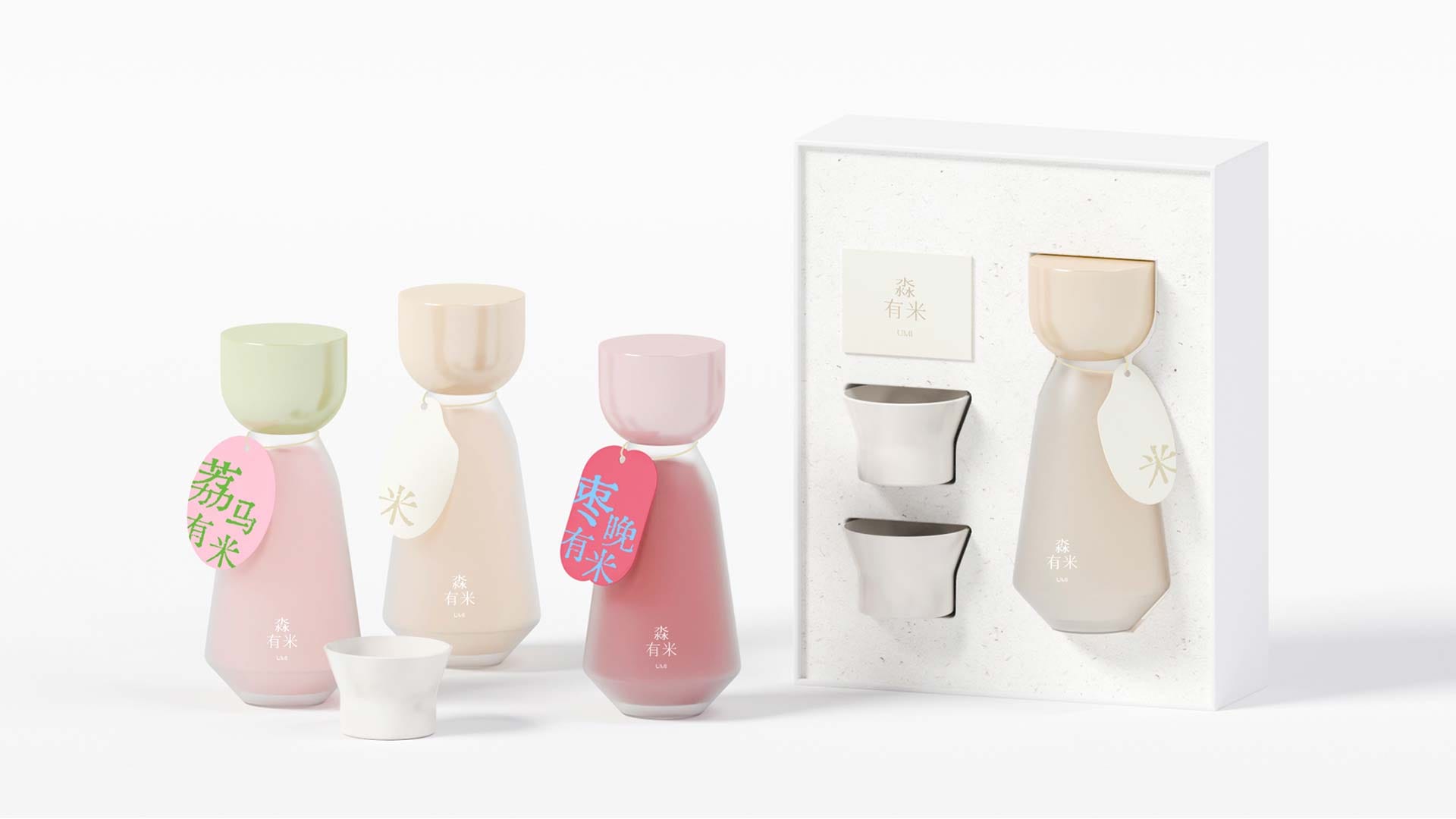
1. Brand-Focused Creativity
We combine visual storytelling, color, typography, and graphics to create packaging that reflects your brand identity. This captures customer attention and differentiates your product.
2. Functional & Protective Design
Structural and industrial packaging design ensures products are safe, durable, and easy to handle. This minimizes damage and returns.
3. Prototyping & Testing
We validate designs through prototypes, testing usability, aesthetics, and durability. Therefore, every package performs in the real world.
4. Scalable & Sustainable Production
Our packaging solutions are optimized for mass production, cost efficiency, and eco-friendly materials. This delivers consistency and reduces environmental impact.
Ready to Elevate Your Brand with Expert Product Packaging Design?
Professional product packaging design elevates your brand and ensures your products stand out on the shelf and beyond. Whether you need beauty product, industrial, or secure electronic packaging design, our team creates solutions that are functional, memorable, and market-ready.
Start your project today with a free consultation and bring your packaging vision to life!
Frequently Asked Questions
How do you choose the right materials for product packaging design?
Material selection depends on four key factors: product type, protection requirements, sustainability goals, and budget constraints.
For example, we recently designed packaging for a household cleaning product line. We chose recyclable PET plastic for the bottles and minimalist white labeling. This reduced material costs by 15% while maintaining a premium look.
The right material ensures durability, ease of production, and a premium appearance. Moreover, it keeps environmental impact in mind, which is increasingly important to consumers.
Can product packaging design be customized for different product lines?
Yes, packaging can be tailored to reflect different product lines while maintaining brand consistency.
For instance, we designed packaging for leaPower’s power accessories lineup. We created a cohesive brand identity system that works across multiple SKUs. Variations in color, graphics, and structure help differentiate products without losing the core brand identity.
This approach ensures brand recognition while allowing each product to stand out.
How do you ensure packaging meets regulatory requirements?
We consider industry-specific regulations throughout the product packaging design process. Compliance with safety, labeling, and transport standards is integrated from the initial concept stage.
For medical device packaging or electronic product packaging, we ensure all necessary certifications are addressed. This includes child-resistant closures, tamper-evident features, and proper material declarations.
Therefore, your packaging is compliant from day one, avoiding costly redesigns or delays.
What role does prototyping play in product packaging design?
Prototyping is a critical step in product packaging design. It allows testing of structure, functionality, and visual appeal before mass production begins.
During the prototyping phase, we evaluate durability, shelf impact, and user experience. This helps identify design improvements early, saving time and money.
Moreover, prototyping validates material and assembly choices, ensuring the final packaging meets all requirements for product protection and brand appeal.
How can product packaging design impact sustainability efforts?
Thoughtful product packaging design can significantly reduce environmental impact. Specifically, it can reduce material use, improve recyclability, and optimize shipping efficiency.
For example, we designed sustainable packaging for a mountain tea brand using recycled paper and soy-based inks. This reduced the carbon footprint by 22% compared to traditional packaging.
Sustainable packaging not only benefits the environment but also strengthens brand reputation. Furthermore, it meets growing consumer expectations for eco-friendly products.
How long does the product packaging design process take?
The product packaging design process typically takes 8-12 weeks, depending on project complexity. This includes research, concept development, prototyping, revisions, and final production preparation.
For simpler projects, such as redesigning existing packaging, the timeline may be 4-6 weeks. More complex projects, involving multiple SKUs or custom structural design, may take 12-16 weeks.
We work closely with clients to establish clear milestones and deliverables. This ensures the project stays on track and meets your launch timeline.