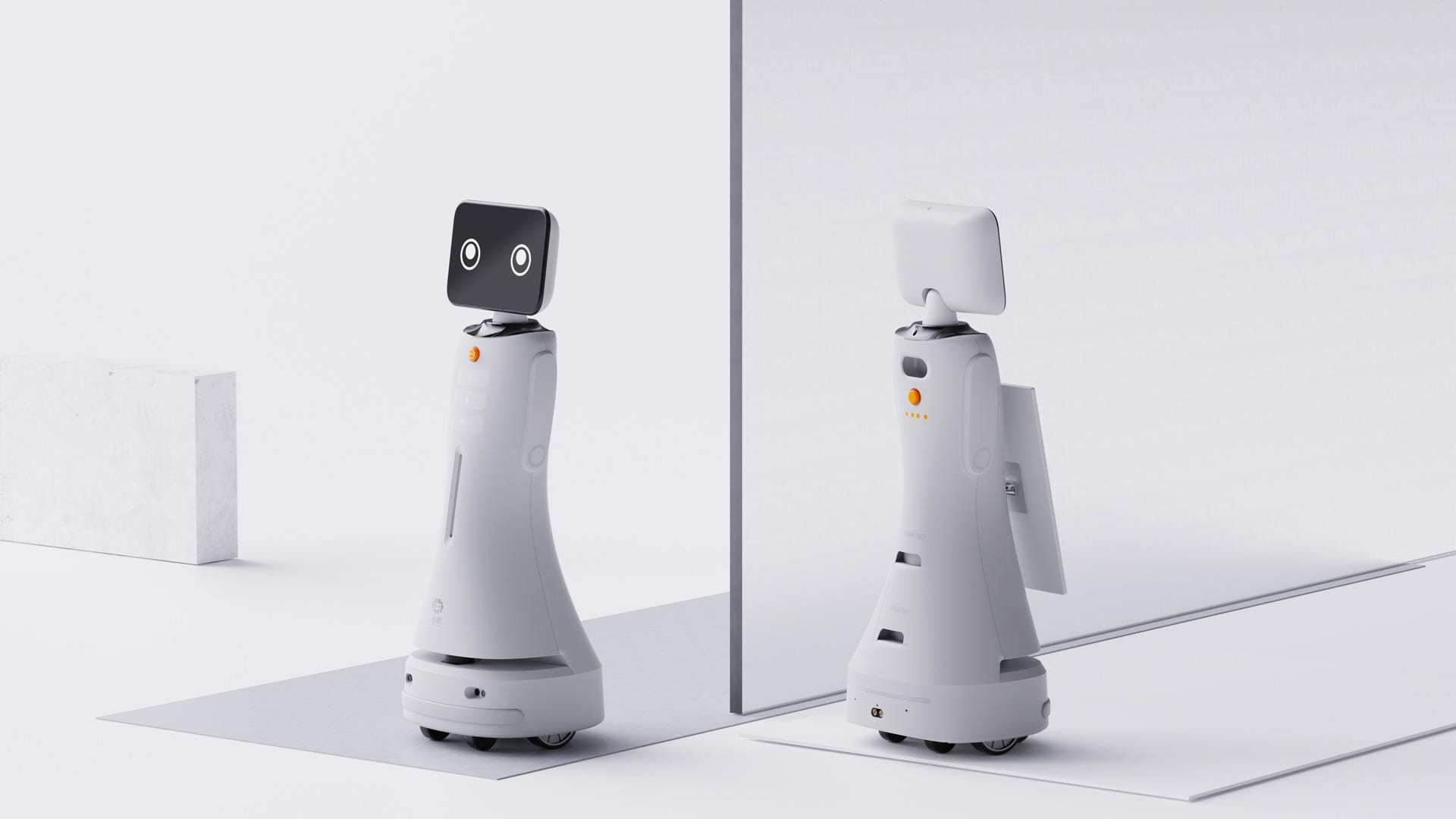

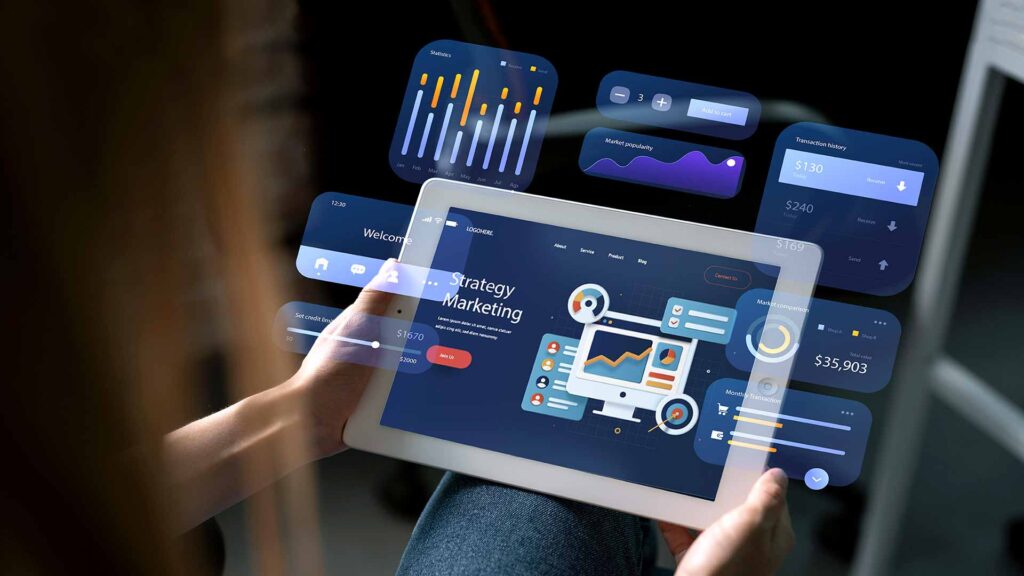
Smart products have become an essential part of modern industries, from consumer electronics to connected devices and intelligent systems. These products rely on well-structured software to operate smoothly, communicate effectively, and deliver consistent value to users.
At OPD Design, this foundation is created through advanced web software design that connects UI UX, embedded systems, and IoT technologies into a unified and scalable product ecosystem.
Understanding Software Design for Smart Products
Software design for smart products focuses on building digital systems that allow hardware to function intelligently and communicate with users and cloud platforms. It ensures that devices operate reliably while supporting long-term growth.
A strong software foundation also helps simplify updates, improve usability, and support data-driven decision-making.
Core Components of Smart Product Software
- Web platforms for user interaction
- Embedded software for device control
- IoT connectivity for data exchange
- Cloud infrastructure for storage and analytics
Importance of Web Software Design in Smart Hardware
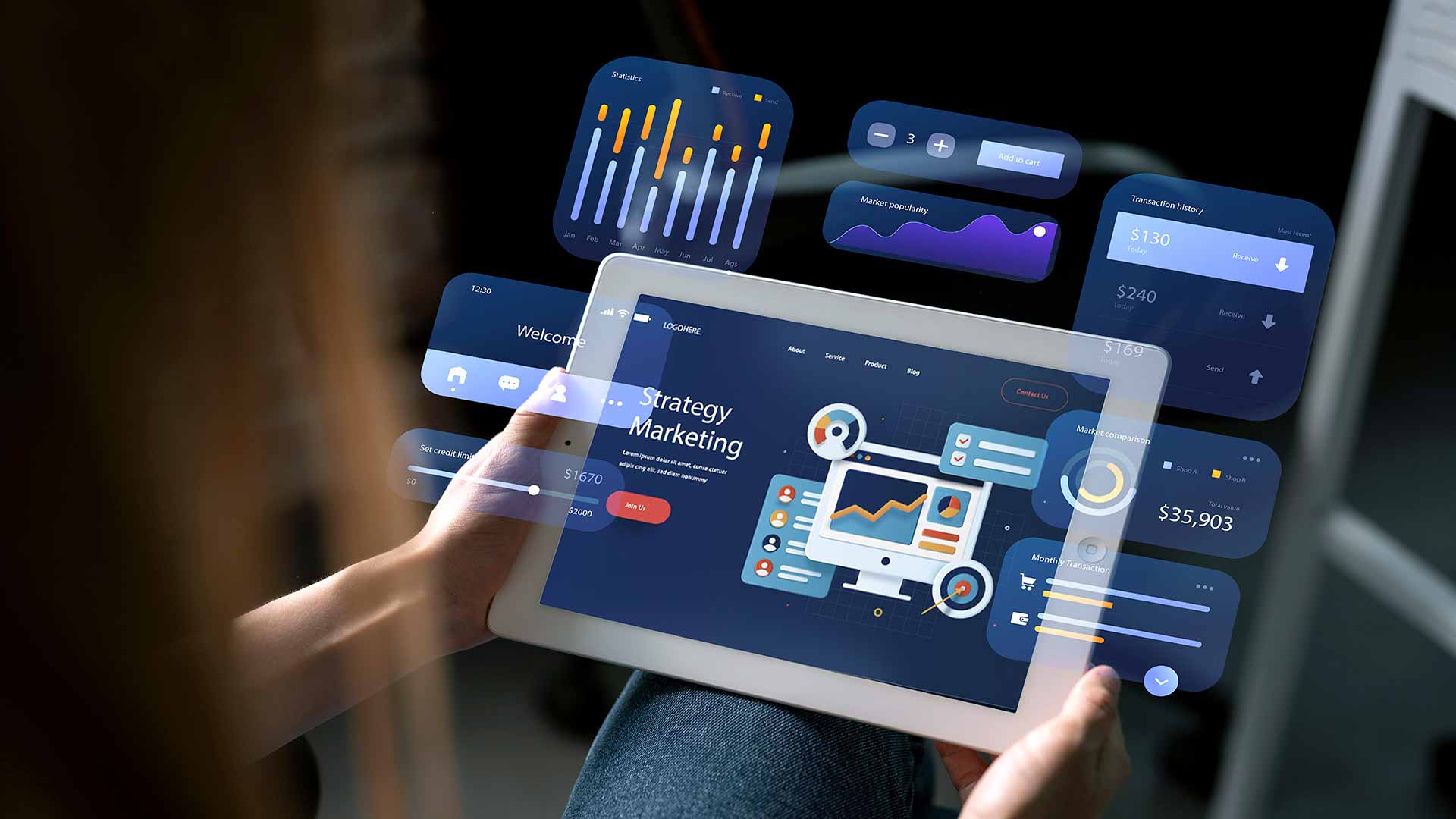
Web platforms act as the central layer that connects users with smart hardware. Through browsers and dashboards, users can monitor devices, adjust settings, and access insights in real time.
Well-planned web software design improves accessibility while supporting efficient product management and system scalability.
Benefits of Web-Based Platforms
- Centralized device management
- Real-time system visibility
- Secure remote access
- Support for continuous feature updates
UI UX Design as the Interaction Layer
UI UX design shapes how users experience smart products through digital interfaces. Clear navigation and logical layouts help users interact confidently with complex systems.
OPD Design follows user-centered design principles to ensure software interfaces remain intuitive, consistent, and easy to use across devices.
Key UI UX Design Principles
- Simple navigation structures
- Responsive layouts
- Consistent visual language
- Accessibility-focused design
Embedded Software Driving Hardware Intelligence
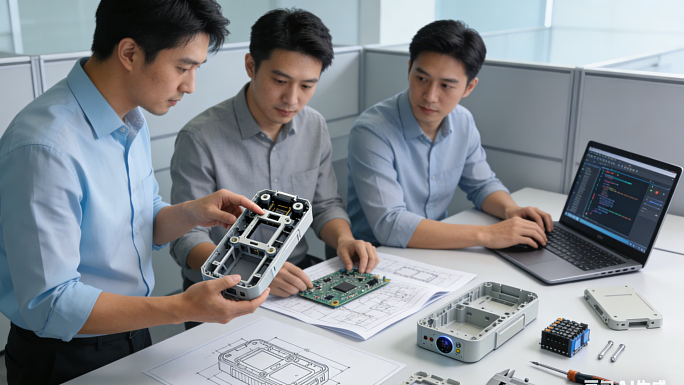
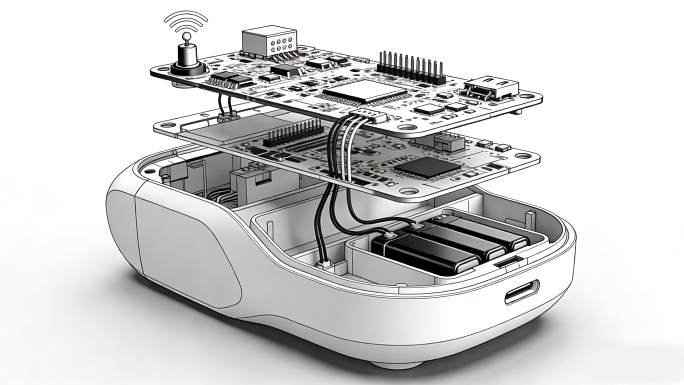
Embedded software operates inside smart devices and controls how hardware components behave. It processes sensor data, manages system logic, and ensures real-time responsiveness.
When embedded software is aligned with web platforms, devices can communicate efficiently with digital systems and cloud services.
Embedded Software Capabilities
- Hardware control logic
- Sensor data processing
- Device communication protocols
- System performance optimization
IoT Software Enabling Connected Ecosystems
IoT software allows smart products to connect with cloud platforms and web applications. This connectivity enables devices to exchange data, receive updates, and operate remotely.
OPD Design develops IoT software solutions that support stable connectivity and scalable device networks.
IoT Software Features
- Secure device connectivity
- Real-time data transmission
- Cloud integration
- Remote monitoring tools
Role of AI Software Development in Smart Products
As products become more advanced, intelligent software capabilities play an increasingly important role in shaping smart systems. For any electronics design company, integrating AI into connected products enables devices to analyze data, automate processes, and adapt to user behavior more effectively. When combined with web and IoT platforms, AI-driven functionality helps improve operational efficiency, deliver personalized user experiences, and enhance overall product performance—making smart products more responsive, scalable, and future-ready.
AI-Driven Capabilities
- Data analysis and insights
- Intelligent automation
- Predictive system behavior
- Personalized user interactions
Backend Systems Supporting Smart Software
Backend systems form the foundation that allows smart product software to function reliably at scale. These systems manage data processing, user authentication, device communication, and system coordination across platforms. A well-architected backend ensures that smart products can operate smoothly while handling growing volumes of data and users.
A reliable backend also plays a critical role in maintaining performance consistency as product ecosystems expand. It enables real-time data flow between devices, cloud platforms, and user-facing applications without creating bottlenecks or latency issues.
OPD Design builds backend architectures that support growing product ecosystems without affecting performance. These systems are designed to adapt to evolving requirements while maintaining stability, security, and operational efficiency.
Backend System Elements
- Secure databases that store device, user, and operational data safely
- API-based communication that enables seamless interaction between systems
- Cloud infrastructure that supports scalability and high availability
- Performance monitoring tools that help maintain system reliability
Security and Reliability in Software Design
Security is a core requirement for smart product software and cannot be treated as an afterthought. Protecting user data, device integrity, and system communication is essential for maintaining trust and ensuring long-term product success. As smart products become more connected, the need for robust security practices increases.
Reliable software design also ensures that products perform consistently under different conditions. Stability, fault tolerance, and secure data handling help reduce risks and protect both users and businesses from operational issues.
OPD Design applies established security practices throughout the software development lifecycle. Security considerations are integrated from early design stages through deployment and ongoing maintenance to ensure dependable system performance.
Security Practices
- Encrypted data transmission to protect sensitive information
- Secure authentication mechanisms to verify users and devices
- Access control management to limit system exposure
- Continuous testing to identify and resolve vulnerabilities
Designing for Scalability and Growth
Smart products are expected to evolve over time as user needs, markets, and technologies change. Scalable software architectures make it possible to add new features, support increasing user bases, and expand into new regions without disrupting existing systems.
Designing for scalability requires foresight and flexibility. Software systems must be structured to handle growth while maintaining performance, security, and usability. This approach helps businesses adapt quickly to changing demands.
OPD Design focuses on modular systems that support flexibility and future expansion. By building scalable foundations, software solutions remain adaptable and capable of supporting long-term product growth.
Scalability Strategies
- Modular system design that allows independent feature updates
- Cloud-based deployment to support dynamic scaling
- API-driven integrations for easy system expansion
- Future-ready planning to accommodate evolving requirements
Software Supporting Manufacturing and Operations
Software platforms often extend beyond user-facing applications and play a critical role in manufacturing and operational workflows. These systems help manage production processes, track quality metrics, and provide real-time visibility across manufacturing stages.
Well-designed operational software improves coordination between teams, reduces errors, and enhances overall efficiency. It also supports data-driven decision-making by offering insights into performance and production trends.
OPD Design ensures software solutions align with operational and manufacturing requirements. By integrating software with production systems, businesses gain better control and transparency across their operations.
Operational Benefits
- Production monitoring dashboards for real-time visibility
- Quality tracking tools to maintain product standards
- Inventory visibility to support efficient supply management
- Data-driven insights to optimize manufacturing processes
Choosing the Right Software Design Partner
Selecting the right partner is essential for successful smart product development. A unified approach helps align software, hardware, and business goals while reducing complexity throughout the product lifecycle.
An experienced partner brings technical expertise, strategic insight, and long-term support capabilities. This collaboration ensures that smart product software remains scalable, secure, and adaptable as the product evolves.
OPD Design offers integrated expertise across software, embedded systems, and product design. This holistic approach supports seamless development and long-term product success.
What to Look for in a Partner
- End-to-end development capability across software and hardware
- Experience with embedded and IoT software systems
- Strong UI UX expertise for user-focused design
- Long-term product support and scalability planning
Conclusion
Smart products rely on well-designed software systems to operate efficiently and scale effectively. By combining web software design, UI UX, embedded software, IoT connectivity, and intelligent automation, businesses can build reliable and future-ready products.OPD Design delivers integrated software design solutions that support innovation and usability. If you are planning to develop or enhance a smart product ecosystem, feel free to contact us to explore how our team can support your goals.
FAQs
1. What is software design for smart products?
Software design for smart products involves creating web, embedded, and IoT systems that enable hardware devices to operate intelligently.
2. How does web software design support smart hardware?
Web software design enables centralized monitoring, control, and data visualization through digital platforms.
3. Why is UI UX important in smart product software?
UI UX design ensures users can easily understand and interact with smart product interfaces.
4. How does embedded software support IoT connectivity?
Embedded software manages device behavior while IoT software enables communication with cloud platforms.
5.How does AI software development improve smart products?
AI software development adds automation, predictive insights, and personalized