

Unmanned cash register
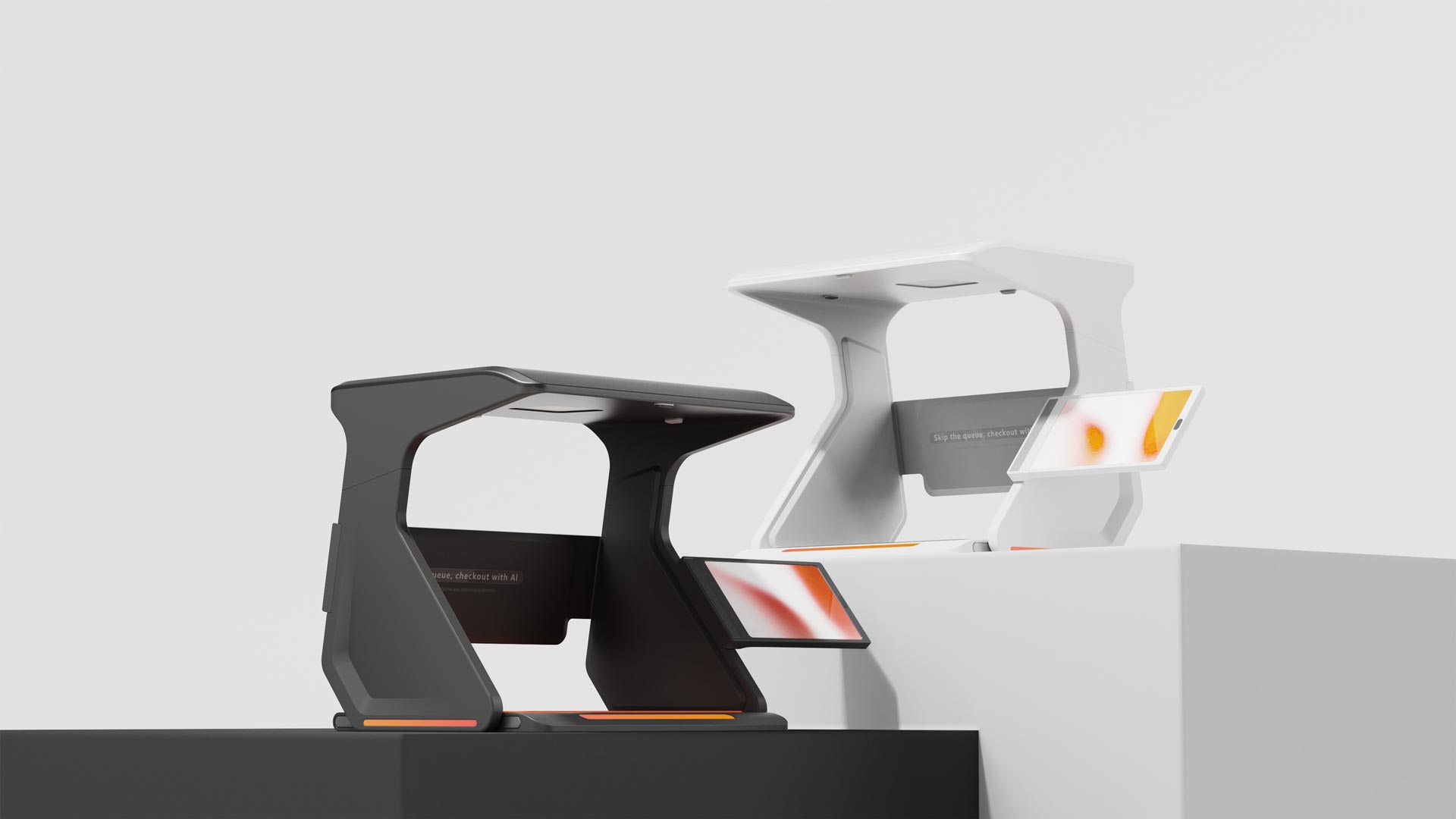
Client country: China
Services: industrial design|machine design|functional prototyping
Project Background
With the digital upgrading of the retail industry and the rising demand for consumption experience, traditional cash register models face pain points such as long queuing times and high labor costs. To adapt to efficient and convenient consumption scenarios, self-checkout machines have emerged relying on AI recognition, mobile payment and other technologies, aiming to simplify settlement processes, reduce operating costs, and meet the dual needs of merchants for cost reduction and efficiency improvement and consumers for quick checkout.
Solution
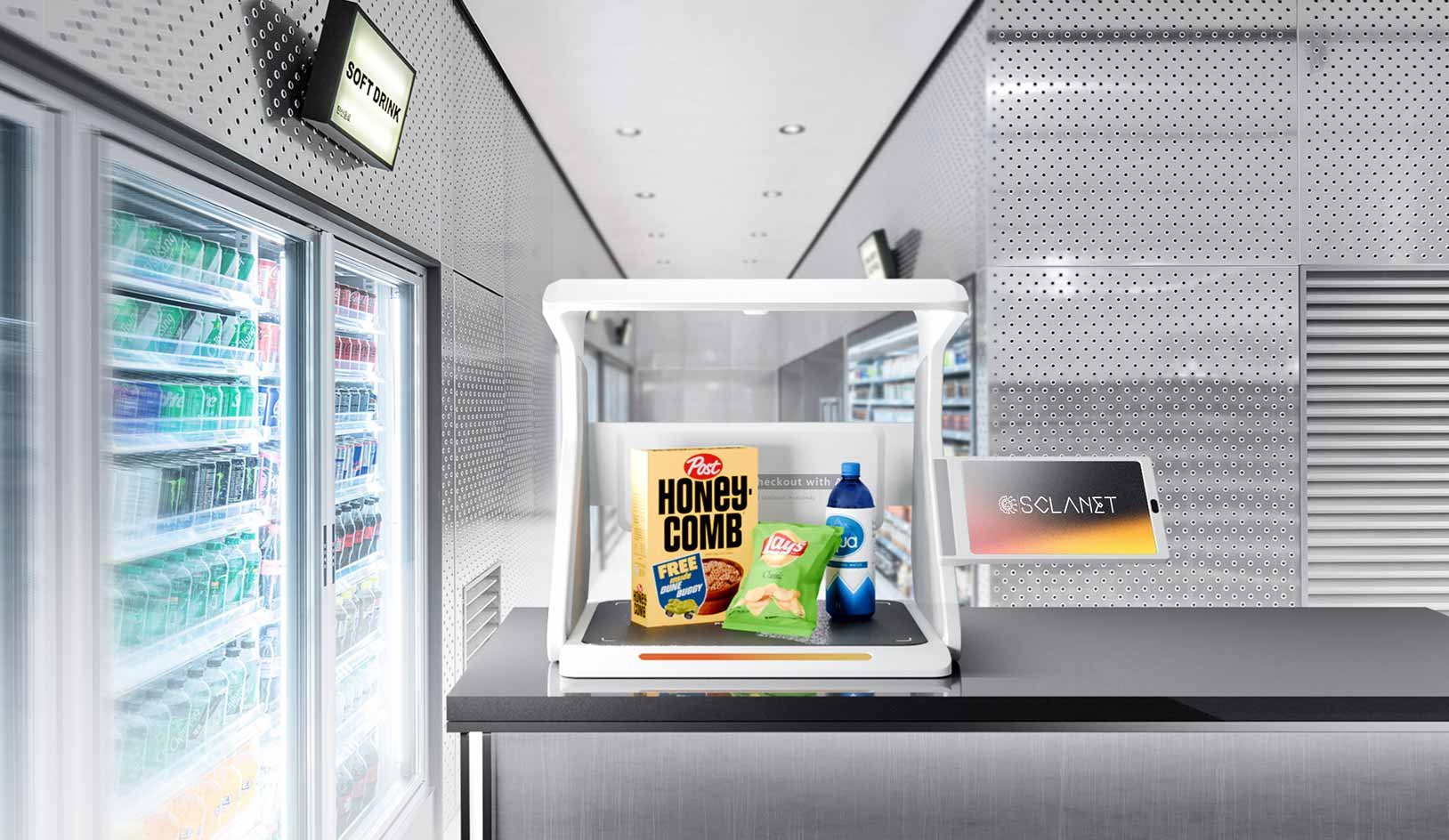
Innovative Design Solution for Unmanned Checkout Machine
A. Technical Stability and Safety Design
- Multimodal Recognition System (Integrates AI visual recognition + gravity sensing + RFID sensing, with a recognition accuracy of ≥99.5%, supporting fast recognition of bagged, bulk, and irregular-shaped goods)
- Financial-Grade Secure Payment (Complies with UnionPay PBOC 3.0 standard, supports multiple payment methods such as face-scan payment, QR code payment, and NFC payment, with encrypted transmission to prevent information leakage)
- 24/7 Stable Operation (Industrial-grade motherboard + redundant heat dissipation design, with a continuous operation failure rate of ≤0.1%, and automatic transaction data saving in case of power outage)
B. Scene Adaptation Optimization
- Flexible space Adaptation (Modular design, supporting both desktop and vertical installationmethods, with a minimum floor area of s0.8mf, suitable for multiple scenarios such as conveniencestores, supermarkets, and pharmacies)
- Self-service Upgrade (15.6-inch high-definition touch screen + voice guidance, supporting self-service weighing of goods, coupon verification, and automatic invoice printing, with an operationprocess of ≤30 seconds per order)
- BarrerFree nteractiDesign (Supports voice control, font enlargement, and Braille labels toomeet the needs of different groups such as the elderly and the visually impaired)
Project Process
Step 1-Self Service Design
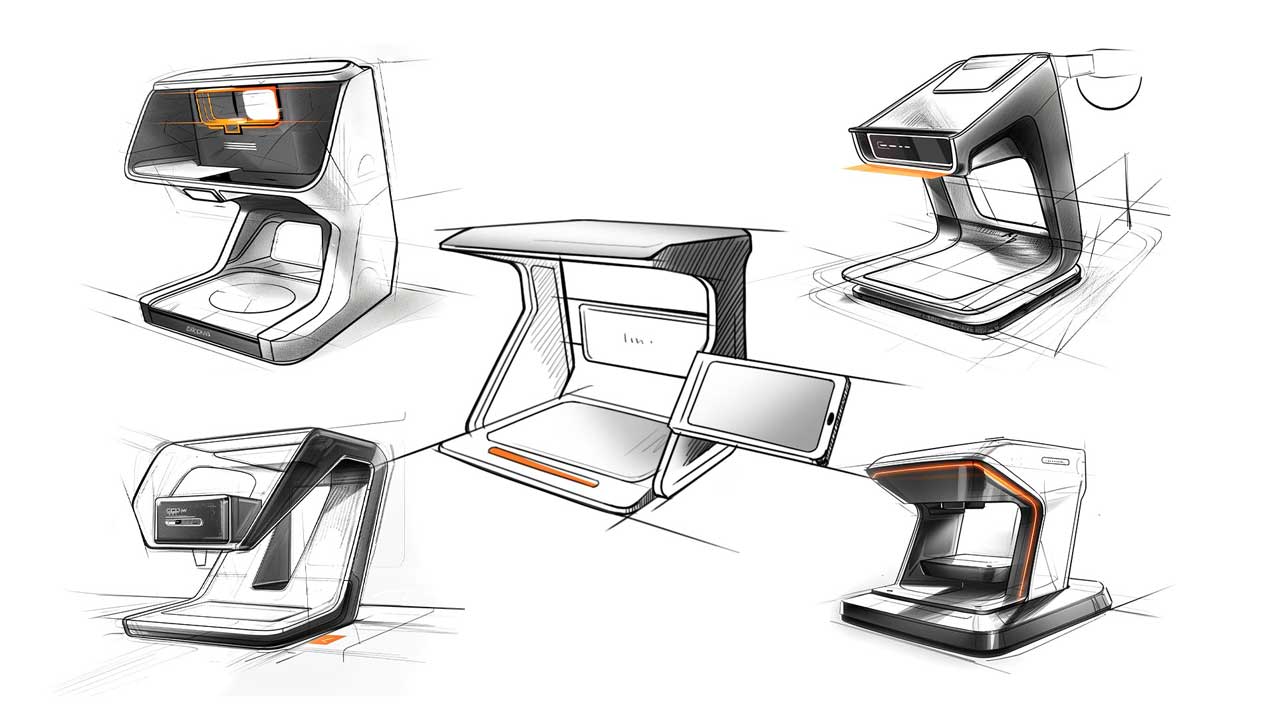
In the design process, we must first solve the problem of user experience, and establish the basic form of the product through ergonomics research, including how to meet the convenience of users of different heights in using the device, and how to be compatible with different products, so that the size of the product does not need to be large.
Secondly, as an artificial intelligence technology product and a non-traditional self-service vending machine, we need to reflect the sense of science and technology and fashion in the product design, attract the attention of young people, and accept its services.
Step 2-Engineering
In terms of the engineering implementation of the design concept, we have configured 6 cameras in the product identification area to ensure that the type and quantity of goods can be quickly identified from various perspectives, so as to accurately generate orders to be paid and complete the automatic deduction of transaction fees. And through the different feedback of the atmosphere light, the user is informed of the normal and wrong reminders of the transaction.
Step 3-Self Service Prototyping
Within a month, the prototype was completed in production, assembly, debugging, and sent to the customer through cross-border logistics.
Value
In terms of time, it would have been impossible, but against all odds, we finally did it. In just one month, from concept to prototype, including industrial design, mechanical design, hardware selection and testing, prototyping, but also includes logistics time from Shenzhen, China to Las Vegas, USA, allowing customers to successfully show at ces and attract attention.
Featured Projects

Smart Comb
A scalp care comb with a misting function, featuring an ergonomic design that combines style and practicality.
Anti-Choking Device
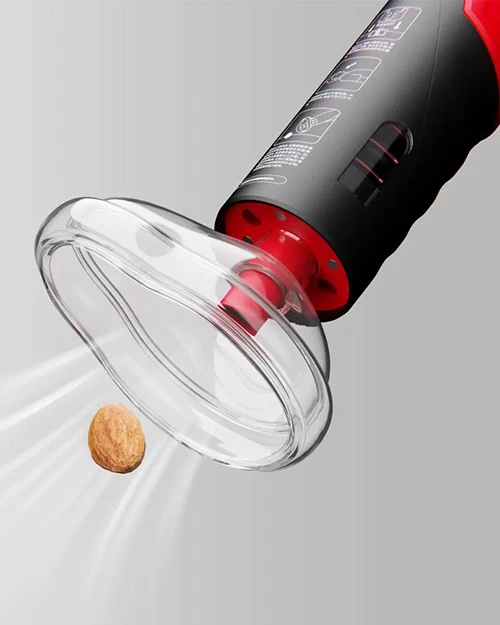
A home-use Heimlich maneuver device developed based on the principles of the Heimlich maneuver.
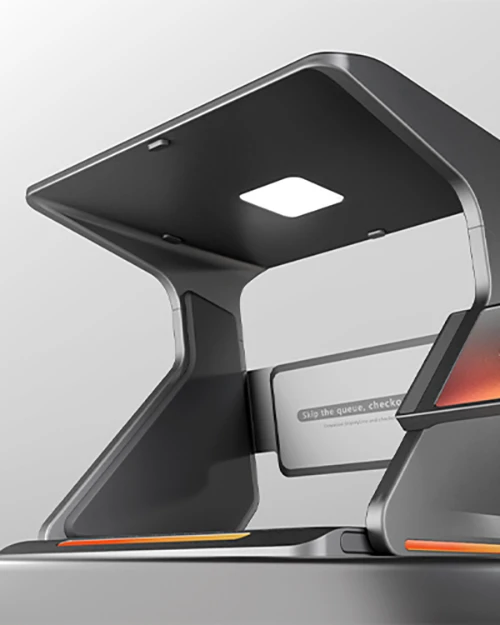
Self-Service Checkout System
These are the core devices supporting the "unmanned shopping" scenario and the key terminals for improving shopping efficiency.
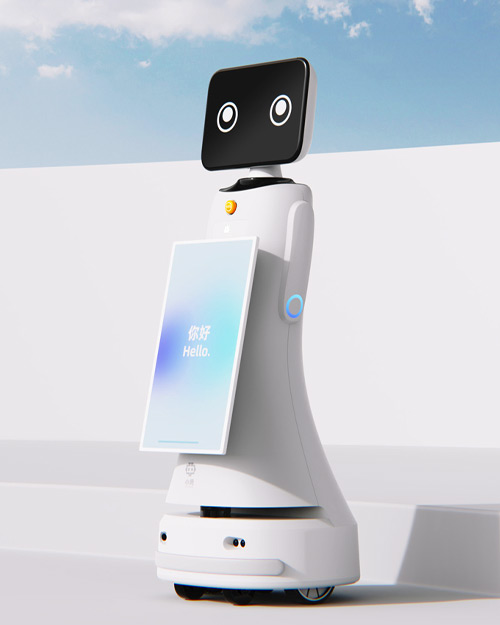
Care Robot
A care robot that integrates safety monitoring, daily assistance, and emergency response.

Kids Smart Toothbrush
Let children learn to brush their teeth independently in a fun way.
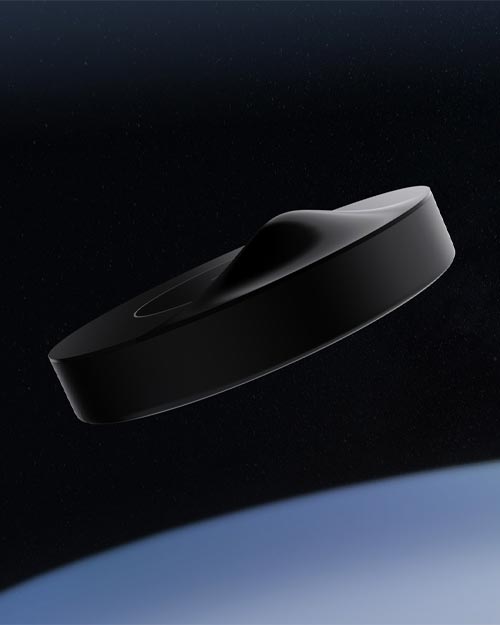
Sci-fi style electric ceramic stove
Spaceship-themed electric ceramic stove: a modern lifestyle.
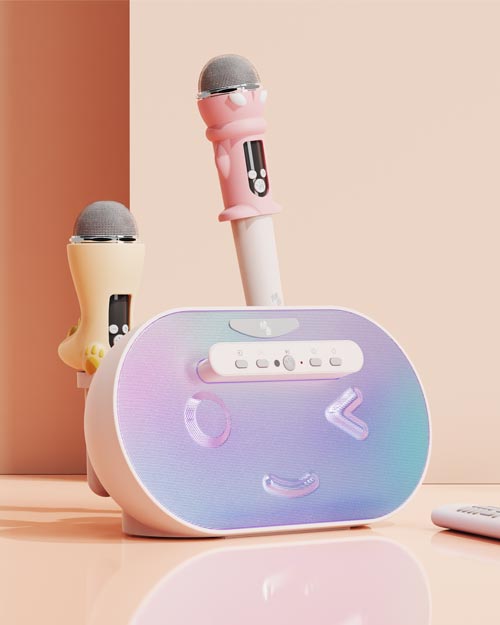
Children's KVT
Allowing children to learn through play and grow through learning.

AI interactive terminal
This project uses AI to recognize NFC chips, match IP-specific audio effects, enabling “one Baji, one exclusive interaction”