
Product Prototyping Services Company
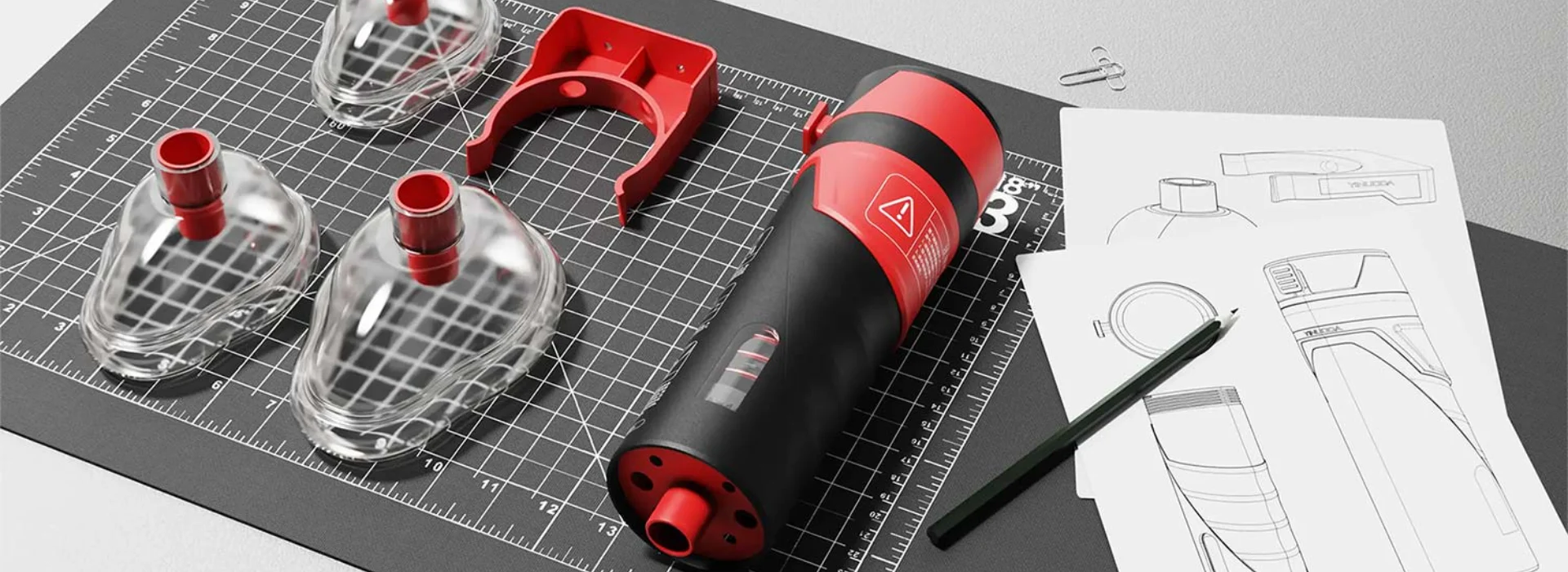
From Concept to Reality — Fast, Precise, and Reliable Prototypes
We provide high-quality product prototyping services, enabling clients to rapidly validate designs, structures, and functionality during the early stages of product development. Our services help mitigate development risks and accelerate the transition from concept to mass production. We support the creation of aesthetic models, functional prototypes, engineering prototypes, and small-batch trial runs—comprehensively addressing the requirements of the EVT, DVT, and PVT stages.
What is OPD's Product Prototyping Service?
OPD’s product prototyping service is an engineering-centric offering focused on product development validation—going far beyond mere sample fabrication. Through the creation of aesthetic, structural, functional, and engineering prototypes, we assist clients during critical stages—such as EVT and DVT—in validating design feasibility, functional implementation, and mass production pathways. In doing so, we ensure that every prototype serves as a pivotal tool for supporting product-related decision-making and mitigating development risks.
Featured Projects
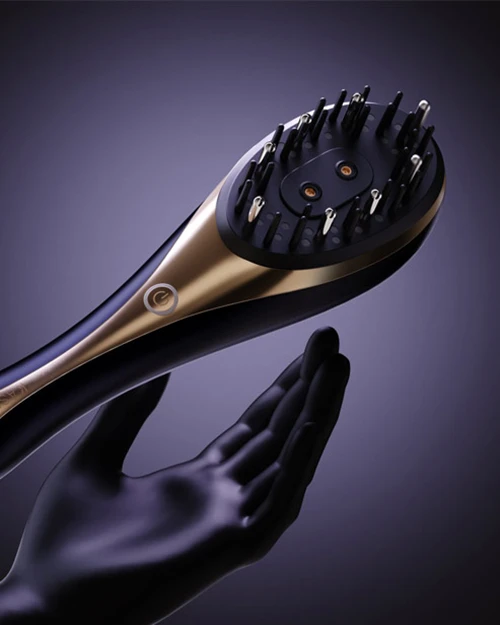
Smart Comb
A scalp care comb with a misting function, featuring an ergonomic design that combines style and practicality.
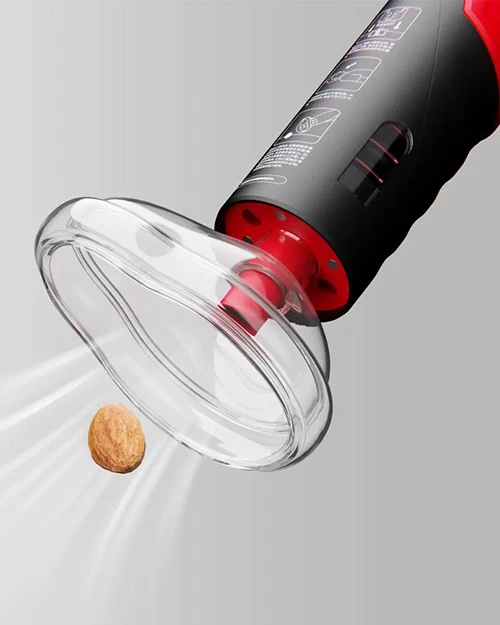
Anti-Choking Device
A home-use Heimlich maneuver device developed based on the principles of the Heimlich maneuver.
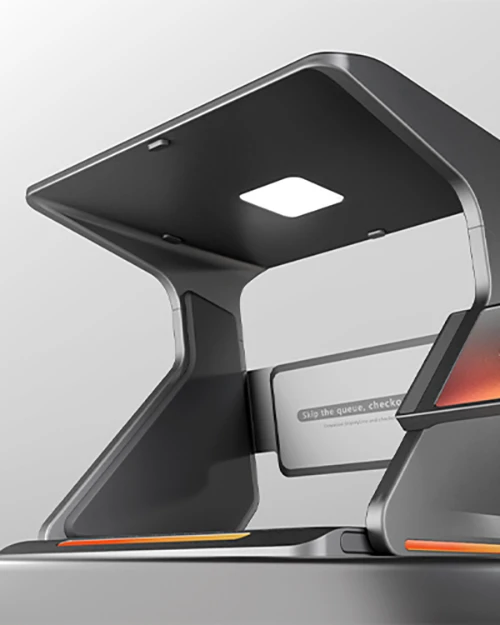
Self-Service Checkout System
These are the core devices supporting the "unmanned shopping" scenario and the key terminals for improving shopping efficiency.
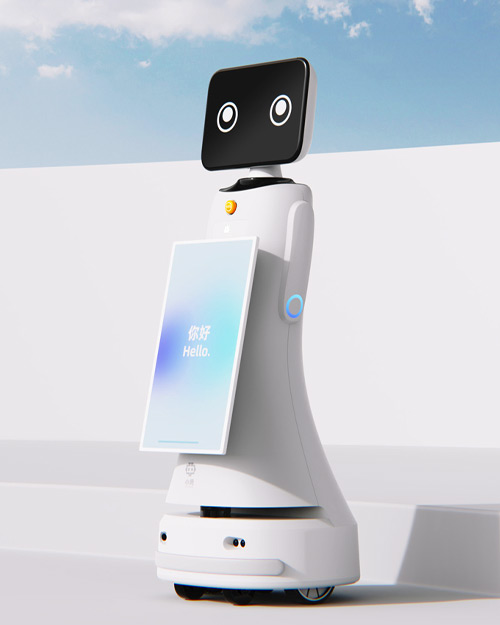
Care Robot
A care robot that integrates safety monitoring, daily assistance, and emergency response.
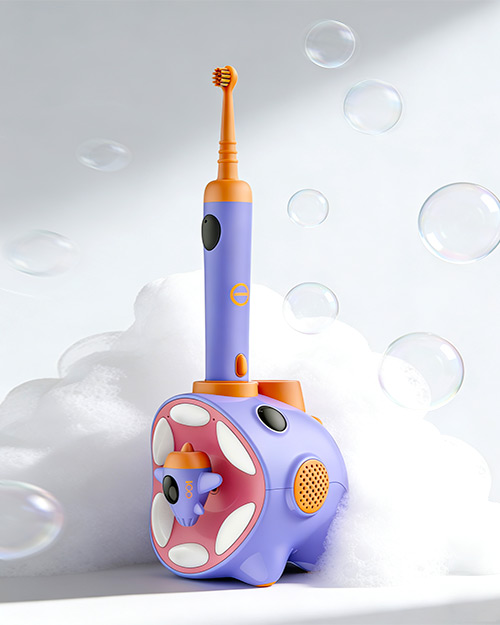
Kids Smart Toothbrush
Let children learn to brush their teeth independently in a fun way.
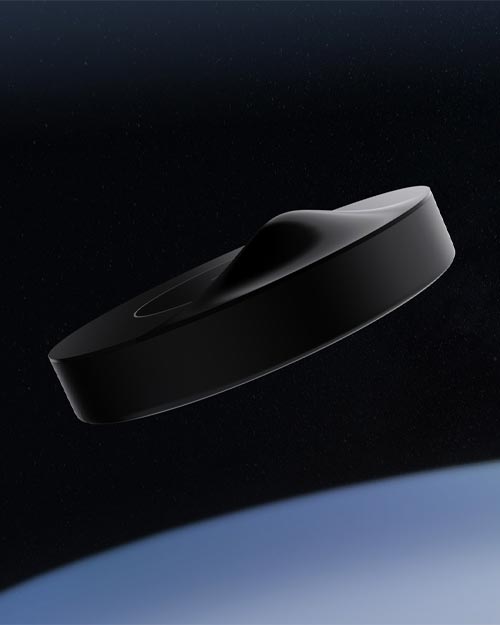
Sci-fi style electric ceramic stove
Spaceship-themed electric ceramic stove: a modern lifestyle.
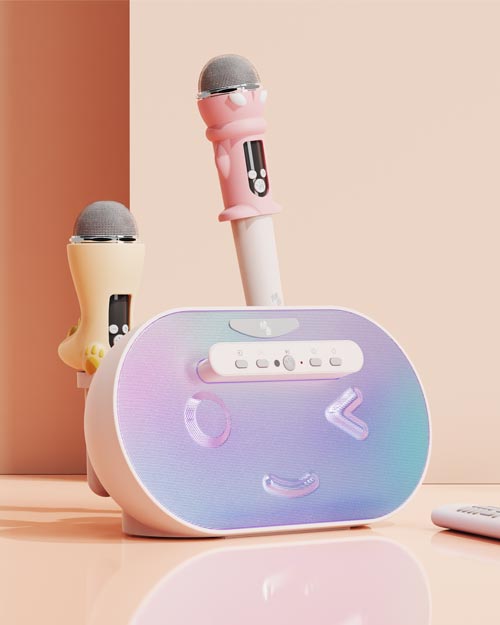
Children's KVT
Allowing children to learn through play and grow through learning.

AI interactive terminal
This project uses AI to recognize NFC chips, match IP-specific audio effects, enabling “one Baji, one exclusive interaction”
OPD's Prototyping Services
OPD categorizes its prototyping services into three distinct sub-modules—EVT, DVT, and PVT—structured specifically around the validation objectives of the various stages of product development, rather than merely being classified by manufacturing process or material type.
This classification ensures that each prototype type aligns with a specific validation purpose: the EVT phase focuses on functional and structural feasibility; the DVT phase centers on engineering optimization and reliability; and the PVT phase addresses mass production feasibility and market validation. By segmenting the process according to development stages, clients can clearly identify the specific utility, deliverables, and decision-making value associated with each prototype.
EVT Prototypes
DVT Prototypes
PVT Prototypes
Each prototype serves a distinct validation objective: it enables clients to rapidly identify issues related to design, functionality, and manufacturing processes across various development stages—thereby mitigating the risks associated with mass production—while simultaneously facilitating efficient iteration and decision-making. This elevates the prototype from a mere display piece to a critical tool for product development, aligning with the professional expectations of international clients regarding R&D workflows and enhancing both communication efficiency and credibility.
How does it work
Prototyping services
OPD’s prototyping service spans every stage of product development—from Proof of Concept to preparation for mass production. Each step is centered around specific validation objectives, ensuring that the prototypes are not merely “buildable,” but also provide tangible value for critical product decision-making.
1. Requirements Definition and Validation Goal Confirmation
Clarify the prototype’s specific purpose: aesthetic presentation, functional verification, engineering validation, or pre-production trials. Define the required precision, materials, and delivery timeline, then generate a comprehensive prototyping plan and a detailed phased schedule.
2. Design Data Assessment and Optimization
Review the feasibility of the industrial, structural, and electronic designs. Conduct process optimization specifically for prototyping (DFM for Prototyping) to identify potential issues early on, thereby minimizing rework and reducing iteration costs.
3. Prototype Fabrication and Process Selection
Select the most appropriate manufacturing processes based on the project’s objectives—including CNC machining, 3D printing, vacuum casting, sheet metal fabrication, and more. Employ a combination of processes to achieve optimal results while strictly controlling precision, dimensional accuracy, and surface finish.
4. Assembly and Debugging
Perform complete structural and functional integration. Conduct functional debugging and system-level integration testing to generate a comprehensive list of issues and optimization recommendations, providing essential reference data for the subsequent development phase.
5. Testing Support and Iteration
Provide support for functional, reliability, and user experience testing during the EVT (Engineering Validation Test), DVT (Design Validation Test), and PVT (Production Validation Test) phases. Rapidly iterate on the prototypes based on test results to provide the final validation and optimization basis required for mass production.

CEO
A startup children's products company
Working with OPD was a game-changer for our brand. Their product design expertise brought ourvision to life, and their seamless product development process ensured a successful launch. From proto-typing to manufacturing, they exceeded our expectations at every step.

Product Director
Xiaomi
We chase for extremely cost-effective products. The product we collaborated with OPD on is smart light. Due to the cost of product, we went through numerous versions of industrial design, mechanical design and so no. OPD helping us obtain very reasonable production prices. Looking forward to the next collaboration!

VP
FMCG brands in the Middle East
We are a beverage company, and planned to create a smart refrigerator to monitor our retail data in real-time. We were fortunate to find OPD, No matter sensor layout, firmware development or loT platform integration, they have done exceptionally well. Our product is still iterating, the OPD team has laid a good foundation.
Awards and Honors
Our product designs have won top global design awards.

Why Do Clients Choose OPD's Prototyping Services
1. Systematized Prototyping Services—Beyond Simple Sample Making
OPD provides prototype fabrication across the EVT, DVT, and PVT stages—covering functional, structural, and aesthetic aspects, as well as small-batch pilot runs. Each prototype is designed with specific validation objectives, providing a scientific basis for critical product development decisions.
2. Comprehensive Coverage: From Concept to Mass Production
Our prototyping services go beyond mere aesthetic representation; they support functional validation, engineering verification, and small-batch pilot runs, ensuring the smooth and successful progression of your product development journey.
3. Integrated Design and Engineering Team
Our Industrial Design, Structural Engineering, Electronics, and Software teams work in close collaboration to ensure that prototypes are not only functional but also fully manufacturable at scale—a level of interdisciplinary integration that standard manufacturing factories typically cannot provide.
4. Flexible Process Combinations for Rapid Realization of Complex Products
By combining processes such as CNC machining, 3D printing, vacuum casting, sheet metal fabrication, and soft tooling, we balance cost-efficiency, speed, and precision to ensure a seamless transition from initial concept to full-scale mass production.
5. Risk Mitigation and Time Savings
Through staged validation and rapid iteration, we identify potential issues early in the process, thereby minimizing the need for mold rework and preventing costly errors during mass production, ultimately boosting overall development efficiency.
6. High Cost-Effectiveness and Delivery Assurance
While upholding the highest standards of professionalism and engineering quality, we provide our clients with highly cost-effective solutions—offering a level of reliability and security that goes far beyond that of a standard outsourced manufacturing facility.
FAQ
What is the difference between OPD prototyping and standard sampling?
Standard sampling typically focuses solely on aesthetics or basic functionality, whereas OPD prototyping spans the EVT, DVT, and PVT stages. It serves to validate both functionality and structural integrity, while also supporting engineering assessments and pre-mass production testing. Each prototype is assigned specific validation objectives, acting as a critical decision-making tool throughout the product development process.
Which manufacturing processes are supported for OPD prototypes?
We offer a comprehensive combination of processes, including precision CNC machining, rapid prototyping via 3D printing, vacuum casting, sheet metal fabrication, and soft-tooling injection molding. We can flexibly select the most appropriate processes based on specific requirements regarding functionality, precision, and materials, thereby enabling the realization of engineering-grade prototypes.
Can the prototype materials perfectly replicate those used in mass production?
Prototypes in the EVT and DVT stages primarily serve to validate structure and functionality; therefore, the materials used may only partially simulate those intended for mass production. However, during the PVT stage—which involves small-batch trial production—we strive to utilize the actual mass-production materials whenever possible, ensuring that the engineering and process validations align precisely with the final mass-production environment.
Can these prototypes be used for testing and certification purposes?
Prototypes from the EVT and DVT stages are suitable for functional and reliability testing. However, formal certification testing typically requires PVT-stage prototypes—which fully meet mass-production specifications—or the final mass-produced product itself. We are available to assist by providing guidance on testing strategies and offering preparatory support.
How can overseas clients communicate remotely and approve prototypes?
We provide detailed reports, high-resolution photographs, and video demonstrations. When necessary, we can also arrange video conferences to ensure that our remote clients remain fully informed regarding the progress and validation status of their prototypes throughout the entire production process.
What are the typical lead times for prototypes at different stages?
EVT prototypes (focusing on functionality and preliminary structure) typically take 1–3 weeks; DVT prototypes (focusing on engineering and near-mass-production fidelity) take approximately 2–4 weeks; and PVT small-batch trial production takes about 4–8 weeks. These lead times are subject to professional assessment based on factors such as product complexity, material requirements, and the degree of functional integration.