
Industrial Design
Design Products That Balance Beauty, Usability, and Manufacturability
Product design transforms ideas into tangible products.
Our design team integrates industrial design, mechanical engineering, and prototyping to create products that are both attractive and manufacturable.
Product Design
Product Design represents the pivotal stage where an initial “idea” is transformed into a “market-ready product.” Through a systematic approach, we integrate market demands, user experience, and engineering feasibility to help enterprises create product solutions that possess both commercial value and manufacturability.
What are Product Design Services?
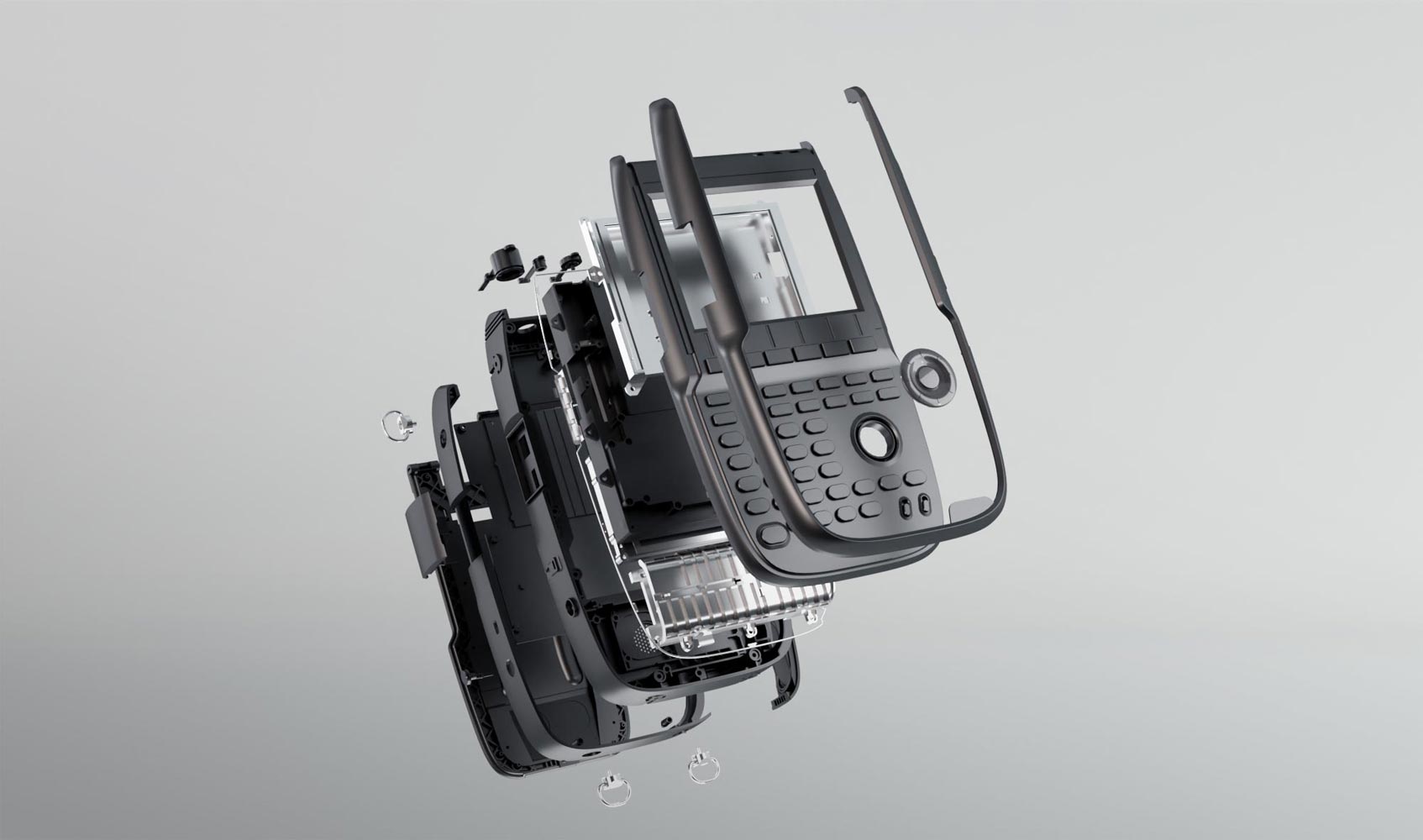
Product design is the process of transforming ideas and product concepts into tangible products that can be manufactured and used by real customers. It combines industrial design, mechanical engineering, and user experience considerations to create products that are visually appealing, intuitive to use, and structurally reliable.
CMF
3D printing
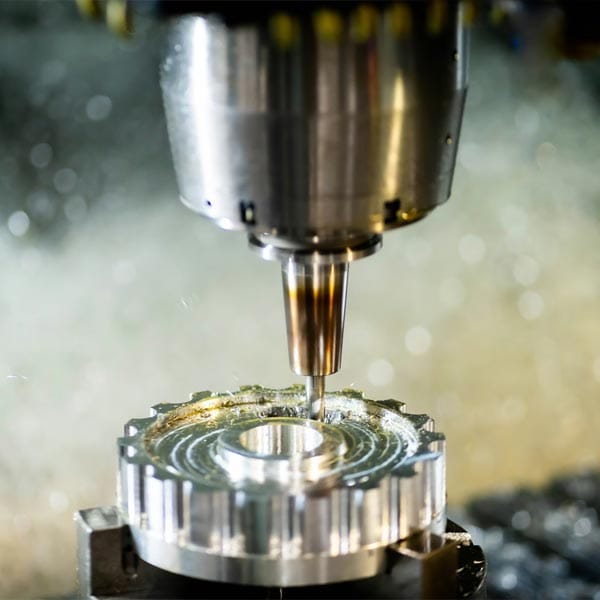
CNC
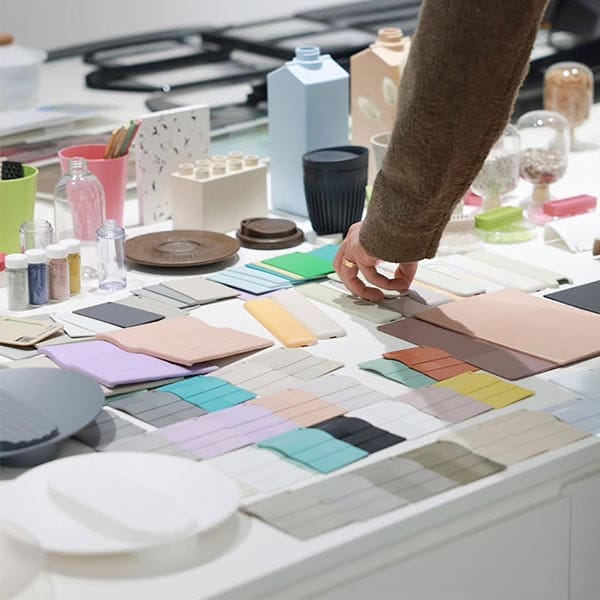
Industrial design focuses on the product’s appearance, form language, and CMF (Color, Material, and Finish), ensuring the product reflects the brand identity and stands out in the market. Mechanical design focuses on the internal structure, assembly mechanisms, and component layout, ensuring the product is durable, ergonomic, and manufacturable.
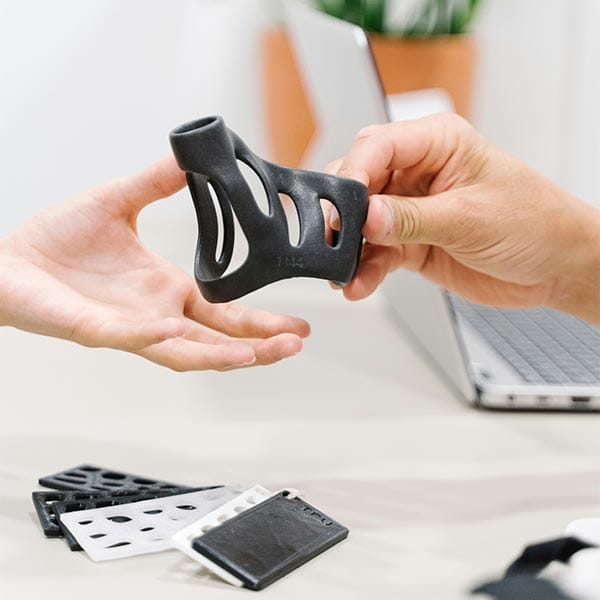
During the product design process, rapid prototyping and design validation are used to test different design solutions. Tools such as 3D printing, CNC prototyping, and simulation analysis help evaluate product structure, usability, and manufacturing feasibility. In addition, mold flow analysis and design for manufacturing (DFM) are applied to optimize product structure for mass production.
A well-executed product design not only enhances product aesthetics and usability but also reduces production risks and manufacturing costs. By integrating design with engineering considerations early in the development process, companies can create products that are both innovative and ready for efficient large-scale manufacturing.
Featured Projects
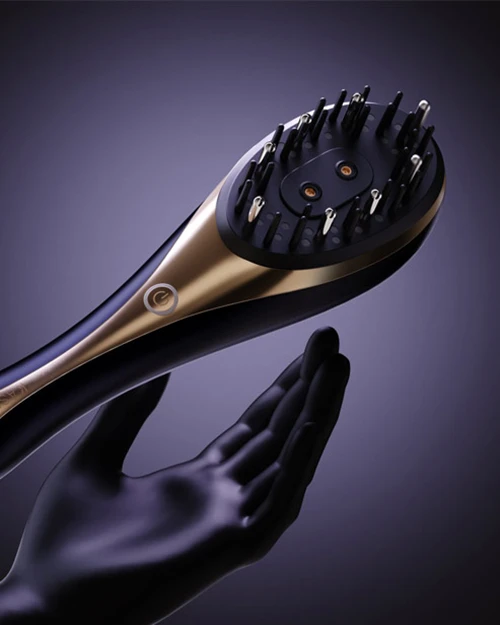
Smart Comb
A scalp care comb with a misting function, featuring an ergonomic design that combines style and practicality.
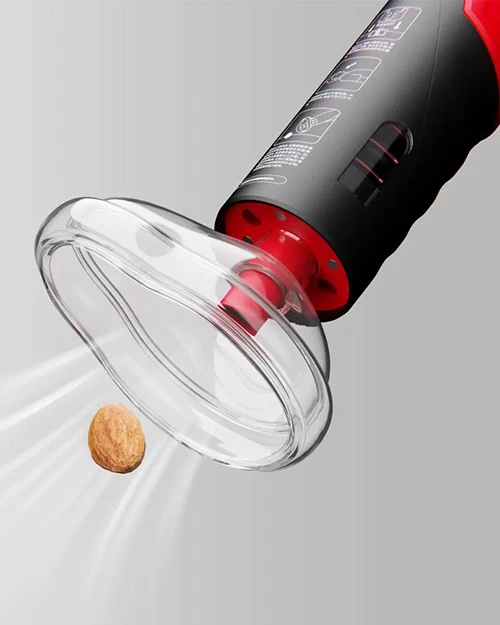
Anti-Choking Device
A home-use Heimlich maneuver device developed based on the principles of the Heimlich maneuver.
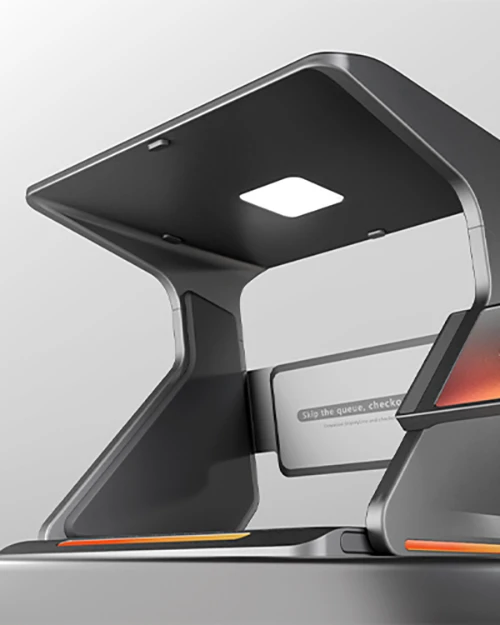
Self-Service Checkout System
These are the core devices supporting the "unmanned shopping" scenario and the key terminals for improving shopping efficiency.
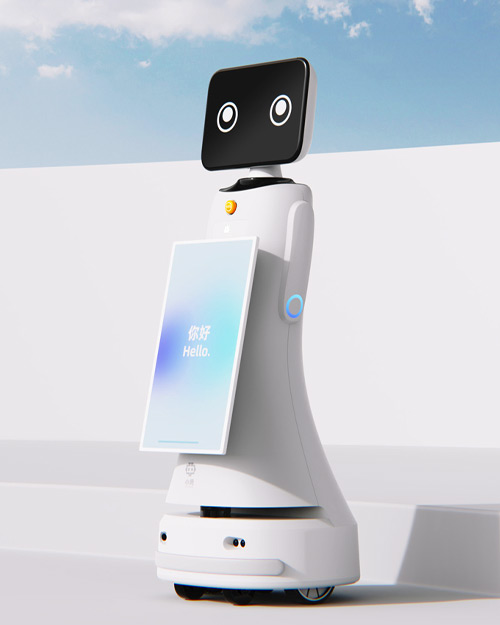
Care Robot
A care robot that integrates safety monitoring, daily assistance, and emergency response.
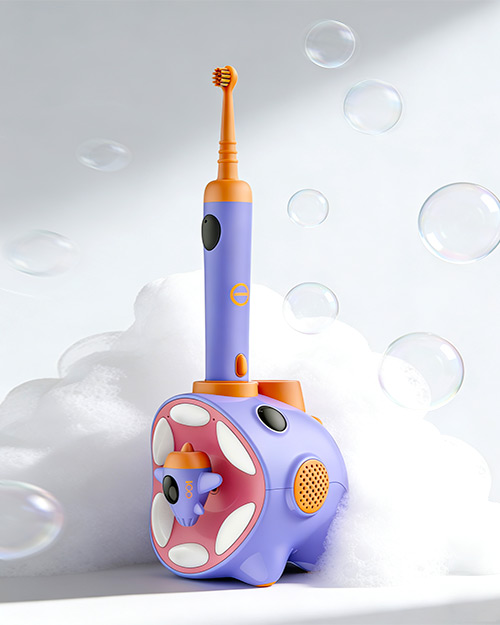
Kids Smart Toothbrush
Let children learn to brush their teeth independently in a fun way.
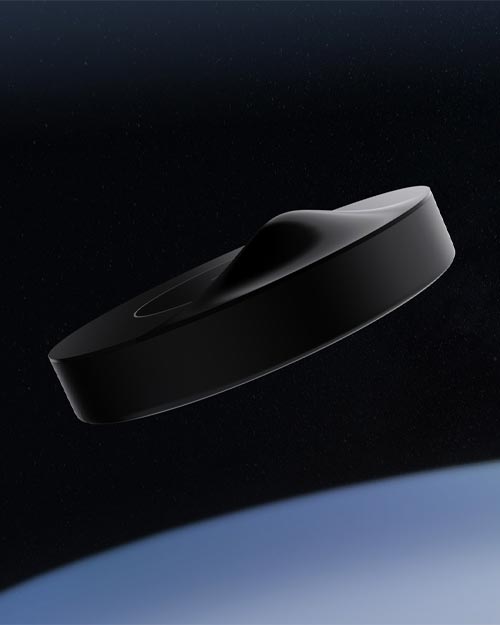
Sci-fi style electric ceramic stove
Spaceship-themed electric ceramic stove: a modern lifestyle.
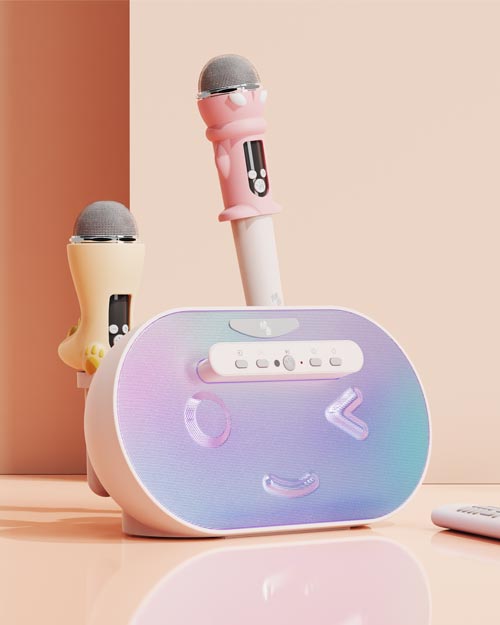
Children's KVT
Allowing children to learn through play and grow through learning.

AI interactive terminal
This project uses AI to recognize NFC chips, match IP-specific audio effects, enabling “one Baji, one exclusive interaction”
OPD Industrial Design Services
Product design is more than just appearance—it’s an integration of aesthetics, usability, engineering feasibility, and manufacturing requirements. By building the design process into industrial design, mechanical engineering, prototyping, and production validation, products can evolve from concept to mass-producible designs in a controlled and efficient manner.
Industrial Design
CMF Design (Color, Material, Surface Finish)
Ergonomics and Product Design
Mechanical Engineering
Structural Feasibility Analysis
Rapid Prototyping (3D Printing/CNC)
Mold Flow Analysis
Mold Design
Design for Manufacturing
Mass Production Engineering Support
OPD’s design team is entirely based in China, working in the world’s most powerful manufacturing base. This ensures that design ideas are supported by engineering feasibility, enabling companies to create visually appealing, structurally reliable, and mass-producible products.
How does it work
Industrial Design Services
Based on practical project experience in Shenzhen and global markets, our product design process not only focuses on product aesthetics, ergonomics, and user experience, but also fully considers manufacturability and mass production efficiency. Through a systematic process, we combine creative design, engineering verification, rapid prototyping, and manufacturing optimization to ensure products are both visually appealing and ready for production.
Our product design services cover the entire process from design requirements analysis, concept exploration, industrial design refinement, structural design, rapid prototyping, mold flow analysis, DFM optimization to mass production support. Each step undergoes rigorous verification to ensure the product achieves the optimal balance between appearance, functionality, and production feasibility.
1. Design Requirements Analysis
We collect product positioning, user needs, and technical constraints to provide clear guidance for the design direction, ensuring design goals align with product strategy. We analyze market trends, user experience preferences, and brand tone to provide the design team with a reference framework.
2. Design Concept Exploration
Through methods such as hand-drawn sketches, digital modeling, and mood boards, we propose multiple design directions. The team evaluates the innovativeness, market adaptability, and user appeal of each design, and discusses with the client to select the best concept.
3. Industrial Design Refinement
After determining the concept direction, the team designs the shape, proportions, surface transitions, and CMF (color, material, and process). They optimize the product’s visual appeal, feel, and operational comfort, ensuring the product aligns with the brand style and meets user aesthetic needs.
4. Structural and Mechanical Design
The team designs the product’s internal structure, component layout, and assembly methods, ensuring rational arrangement of parts, reliable function, and optimizing product strength, durability, and ease of assembly. The engineering team conducts stress analysis and durability verification.
5. Rapid Prototyping Development
Functional prototypes are created using technologies such as 3D printing and CNC machining to verify the appearance, structure, and user experience. Prototyping quickly identifies design problems and provides a reference for design optimization.
6. Mold Flow Analysis and Mold Design
Mold flow analysis is performed on injection molded parts to optimize part structure, prevent burrs, bubbles, or deformation issues, and provide technical support for mold design.
7. DFM (Design for Manufacturing) Optimization
After design completion, DFM optimization is performed to adjust part and structural designs to meet factory mass production requirements, improve assembly efficiency, and reduce production costs.
8. User Experience Testing
User testing is conducted using functional prototypes and models to evaluate operation processes, feel, ease of use, and interactive experience. Feedback is collected for iterative optimization to ensure the product meets user expectations.
9. Production Documentation and Technical Specification Generation
Complete design documents, 3D models, engineering drawings, parts lists, and assembly specifications are generated to ensure smooth mass production according to the design.
10. Mass Production Support
Continuous support is provided during the mass production phase, including assembly guidance, quality feedback, and optimization suggestions, ensuring successful production according to design standards.

CEO
A startup children's products company
Working with OPD was a game-changer for our brand. Their product design expertise brought ourvision to life, and their seamless product development process ensured a successful launch. From proto-typing to manufacturing, they exceeded our expectations at every step.

Product Director
Xiaomi
We chase for extremely cost-effective products. The product we collaborated with OPD on is smart light. Due to the cost of product, we went through numerous versions of industrial design, mechanical design and so no. OPD helping us obtain very reasonable production prices. Looking forward to the next collaboration!

VP
FMCG brands in the Middle East
We are a beverage company, and planned to create a smart refrigerator to monitor our retail data in real-time. We were fortunate to find OPD, No matter sensor layout, firmware development or loT platform integration, they have done exceptionally well. Our product is still iterating, the OPD team has laid a good foundation.
Awards and Honors
Our product designs have won top global design awards.
Why Choose Our Industrial Design Services?
1. Deep Integration of Design and Engineering
Our product design team works in close collaboration with our mechanical engineering team. We incorporate considerations regarding structural layout, assembly methods, and manufacturing processes directly into the design phase, thereby ensuring that our design solutions are highly feasible and practical.
2. User Experience at the Core
An exceptional product offers more than just outstanding aesthetics; it must also deliver a superior user experience. Throughout the design process, we pay meticulous attention to ergonomics, operational logic, and usage environments to ensure our products are intuitive, user-friendly, and highly accessible.
3. Rapid Prototyping Capabilities
Shenzhen is home to the world’s most comprehensive ecosystem for prototype manufacturing, enabling the rapid execution of processes ranging from 3D printing to CNC machining. This allows us to produce multiple iterations of physical prototypes within a short timeframe to facilitate rigorous design validation.
4. Design-for-Manufacturing Approach
Many design firms deliver only renderings; we, however, provide complete engineering documentation and mass-production support, ensuring that design outcomes transition smoothly into the manufacturing phase.
5. Industrial Design Tailored to Hardware Products
Unlike agencies focused solely on visual aesthetics, we specialize in the design of smart hardware and consumer electronics. During the exterior design process, our team simultaneously considers factors such as thermal management, assembly requirements, internal spatial layout, and structural integrity.
FAQ
Do you handle both industrial (exterior) and mechanical (structural) design?
Yes. We provide integrated services covering both industrial design and mechanical engineering.
We ensure that these two disciplines are fully aligned and harmonized during the initial design phase,
rather than requiring adjustments later in the process.
Can you provide multiple design concepts for us to choose from?
Yes. During the conceptual phase, we typically present several distinct design directions.
Through a process of reviews and prototype validation,
we gradually narrow these options down to identify the optimal solution.
Can you produce physical prototypes quickly?
Yes. We can rapidly produce physical prototypes using methods such as 3D printing and CNC machining.
These prototypes are utilized for design validation and user testing purposes.
How do you prevent a design proposal from being overturned during the engineering phase?
We incorporate engineering constraints—such as internal structural layout, critical component dimensions,
and thermal management requirements—early in the design process,
and we conduct cross-functional reviews to ensure the design is technically feasible.
How do you determine if a design is suitable for mass production?
We evaluate the mass production feasibility of a design through DFM (Design for Manufacturability) analysis,
taking into account factors such as part count, assembly complexity, mold structure, and surface finishing processes.
How does the design process balance brand identity with cost efficiency?
During the design process, we simultaneously evaluate material selection, manufacturing processes,
and structural complexity to ensure the product maintains a reasonable cost structure while preserving its distinct brand identity.
CORE SERVICES
Industrial Design & Ergonomics
Mechanical Design & Engineering
Rapid Prototyping
Mold Flow Analysis & Mold Design
DFM
Mass Production Optimization