
OPD Industrial Design Services Company
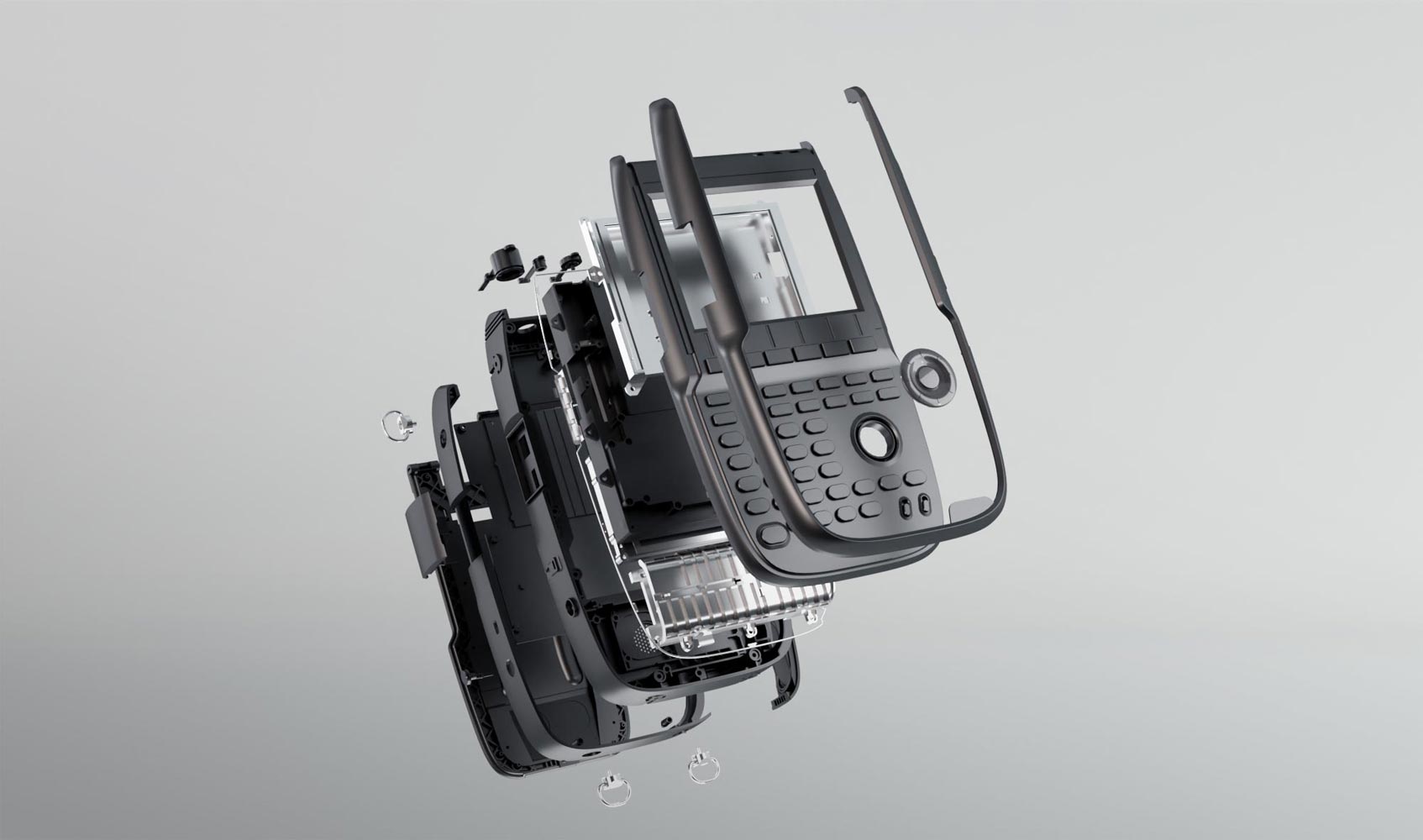
Ensuring Your Product Gets Chosen at First Glance
From brand language to product form, we craft industrial design solutions that possess a harmonious blend of aesthetic appeal, distinct identity, and commercial value—thereby enhancing product premium potential, establishing visual differentiation for the brand, and driving user purchasing decisions.
Product Design
Product Design represents the pivotal stage where an initial “idea” is transformed into a “market-ready product.” Through a systematic approach, we integrate market demands, user experience, and engineering feasibility to help enterprises create product solutions that possess both commercial value and manufacturability.
What Are OPD Industrial Design Services?
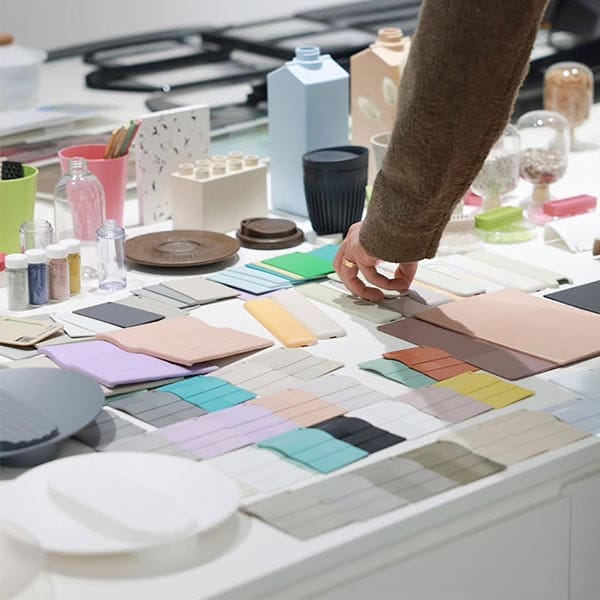
Industrial design is not merely “styling”; it serves as a crucial bridge connecting the brand, the user, and the product experience. During the product development process, exterior design focuses primarily on: product form, CMF design (Color, Material, Finish), human-computer interaction and user experience (Ergonomics), brand language and visual identity, and the product’s fit within the market. An exceptional exterior design is not just “good-looking”; rather, it is a design that: rapidly captures attention—whether on a retail shelf or an e-commerce page—instills a sense of delight and trust during use, and accumulates long-term brand equity over time.
CMF
3D printing
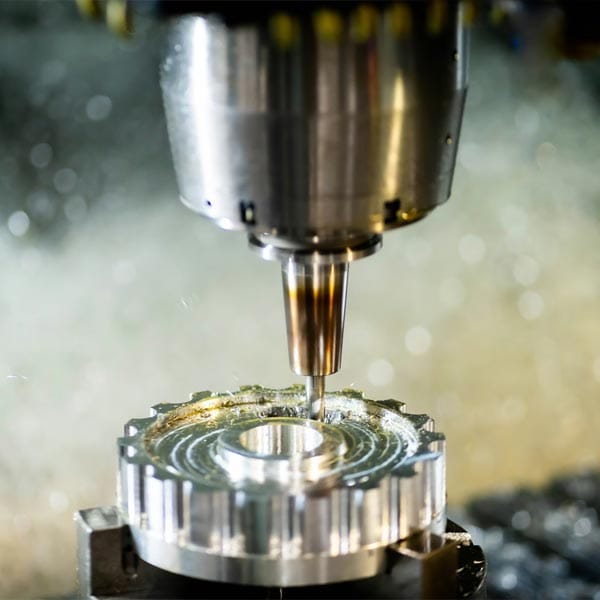
CNC
Featured Projects

Smart Comb
A scalp care comb with a misting function, featuring an ergonomic design that combines style and practicality.
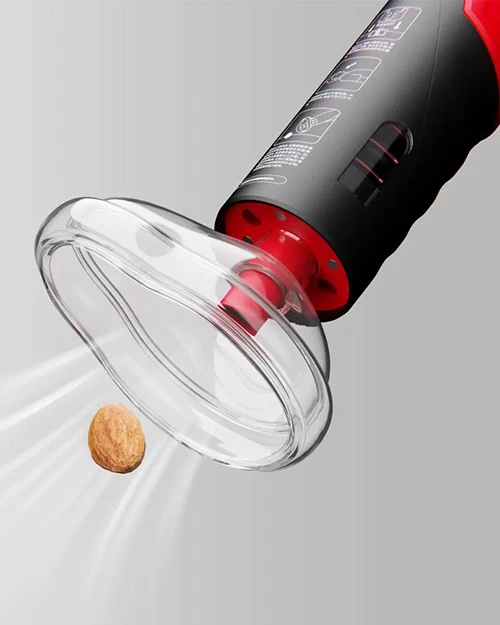
Anti-Choking Device
A home-use Heimlich maneuver device developed based on the principles of the Heimlich maneuver.
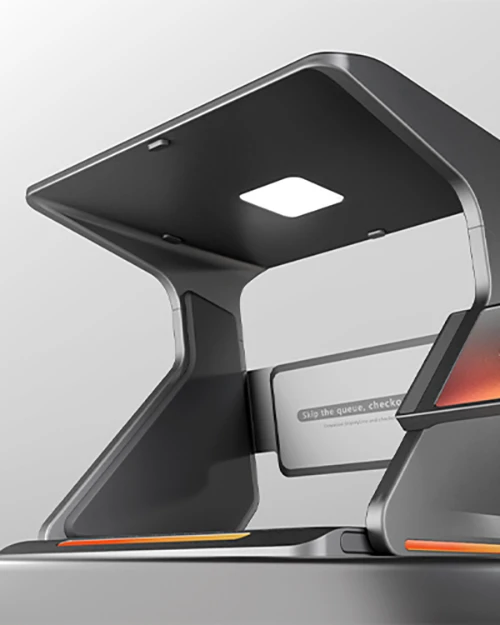
Self-Service Checkout System
These are the core devices supporting the "unmanned shopping" scenario and the key terminals for improving shopping efficiency.
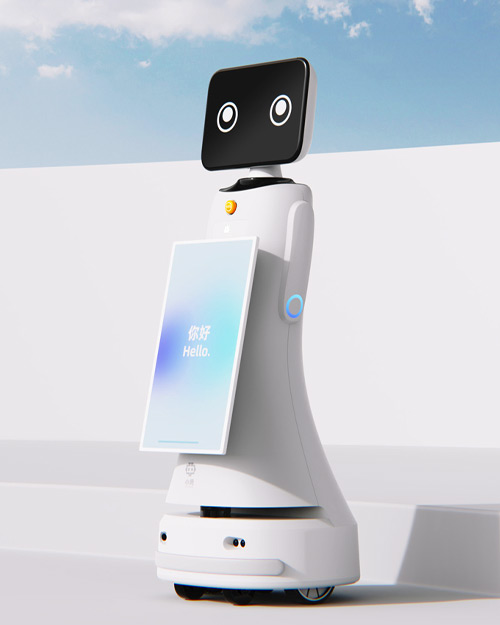
Care Robot
A care robot that integrates safety monitoring, daily assistance, and emergency response.
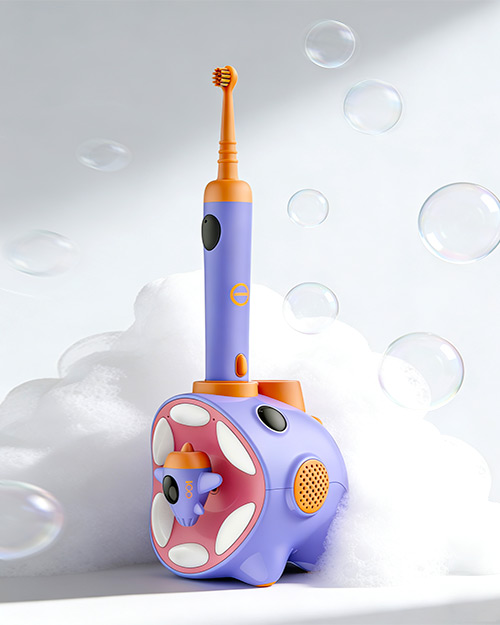
Kids Smart Toothbrush
Let children learn to brush their teeth independently in a fun way.
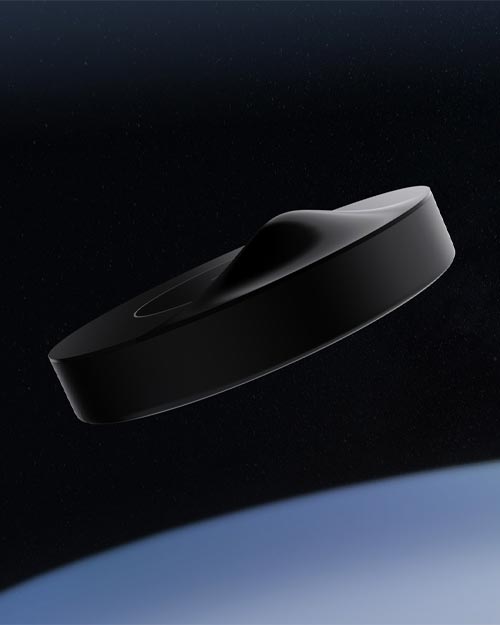
Sci-fi style electric ceramic stove
Spaceship-themed electric ceramic stove: a modern lifestyle.
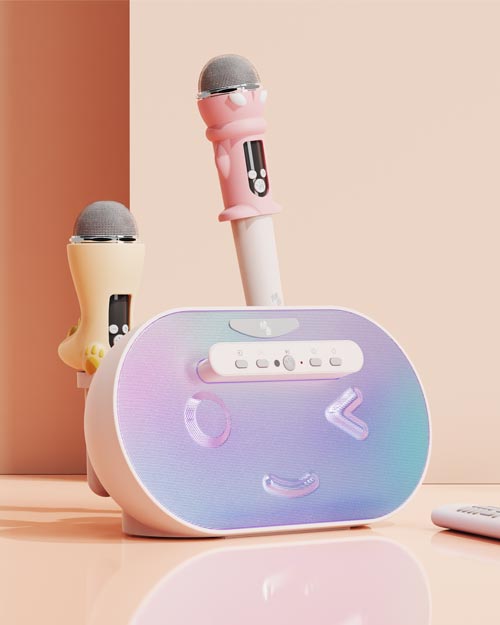
Children's KVT
Allowing children to learn through play and grow through learning.

AI interactive terminal
This project uses AI to recognize NFC chips, match IP-specific audio effects, enabling “one Baji, one exclusive interaction”
Industrial Design Services:
Industrial design is not merely a single stage within product development; it is a pivotal factor determining a product’s market performance, brand perception, and the user’s critical first impression. OPD’s industrial design offering is not a singular “styling output,” but rather a systematic service framework encompassing the entire journey: from design strategy and creative exploration to design implementation and mass production support.
User scenario analysis
market trend analysis
product design strategy definition
creative ideation and concept design
3D modeling and design refinement
CMF design, design visualization (HD renderings)
exterior prototyping and design validation
design optimization tailored for mass production
Great design is not born solely of inspiration, but relies on a repeatedly validated system. Through modular deconstruction, we standardize and structure the complex design process, enabling our clients to establish a stable, cohesive link between design, engineering, and business objectives.
How does it work
Industrial Design Services
The failure of many exterior designs is rarely due to a “lack of design capability,” but rather stems from issues such as: a lack of upfront strategy, wavering design direction, premature convergence on a single solution (thereby missing superior alternatives), a disconnect from structural engineering that renders the design unfeasible for production, or proceeding directly to mass production without proper validation. OPD’s exterior design services are grounded in a comprehensive product development lifecycle (POC / EVT / DVT), advancing through a methodology driven by strategy, multi-solution exploration, engineering collaboration, and phased validation. Our objective is not merely to “create a visually pleasing design,” but rather to: craft a product aesthetic that is simultaneously appealing, feasible for production, and commercially successful.
1. Design Research & Direction Definition
Prior to commencing the design process, we establish a clear foundation and direction: analyzing user personas and usage scenarios; researching market trends and competitor aesthetics; articulating the brand’s visual language (Brand DNA); defining product positioning and key design keywords; and conducting a preliminary analysis of CMF (Color, Material, Finish) trends. This phase ensures that the design serves the market and the brand—rather than merely reflecting the designer’s subjective expression—thereby mitigating the risk of rework right from the source.
2. Concept Ideation & Creative Exploration
Guided by the defined design direction, we engage in multi-path creative divergence: generating hand-drawn sketches; developing multiple conceptual proposals (typically 2–4 distinct sets); refining product form and proportions; experimenting with various design languages (e.g., high-tech, minimalist, athletic); and formulating preliminary design expressions and narratives. By visualizing a broader spectrum of possibilities *before* making a final decision, we avoid prematurely locking into a single solution, thereby empowering the client to make a more rational choice among multiple directions and enhancing the product’s differentiation.
3. Concept Selection & Design Convergence
We evaluate and optimize the various proposals to gradually converge toward a definitive design direction: conducting internal and client reviews; analyzing the strengths and weaknesses of each proposal (in terms of aesthetics, feasibility, and cost); synthesizing and refining the design direction; performing preliminary alignment with structural engineering requirements; and determining the final design path. This stage transforms “creative ideas” into “actionable plans,” utilizing rational screening—rather than purely emotional preference—to ensure that the final direction successfully balances aesthetic appeal with engineering feasibility.
4. 3D Modeling & Design Refinement
We translate the selected concept into a high-precision three-dimensional design: executing detailed 3D modeling (focusing on surface curvature and fine details); optimizing product proportions and intricacies; collaborating closely with mechanical engineering (ME) teams; assessing assembly space requirements and anticipating structural implications; and incorporating preliminary DFM (Design for Manufacturability) considerations. This phase—which transforms the design “from a visual mockup into a tangible product”—is critical to the successful realization of the design, preventing the need to scrap or overhaul the design at later stages due to unforeseen engineering challenges.
5. CMF Design (Color / Material / Finish)
Defines the product’s color, materials, and surface finish: color scheme strategy and brand consistency design, material selection (plastic / metal / glass, etc.), surface treatment processes (spraying / anodizing / IMD, etc.), tactile and visual texture design, CMF templates and prototyping support. This determines the user’s “first impression” and the product’s premium pricing power. CMF is one of the key factors influencing purchasing decisions and is also an important carrier of brand identity.
6. Design Visualization and Review
Verifies the design through high-quality visual presentation and review mechanisms: high-precision product renderings, usage scenario diagrams, internal and client reviews. Before the product is even made, the results can be “seen,” helping clients make decisions and market judgments, reducing uncertainty.
7. Appearance Prototype and Design Validation
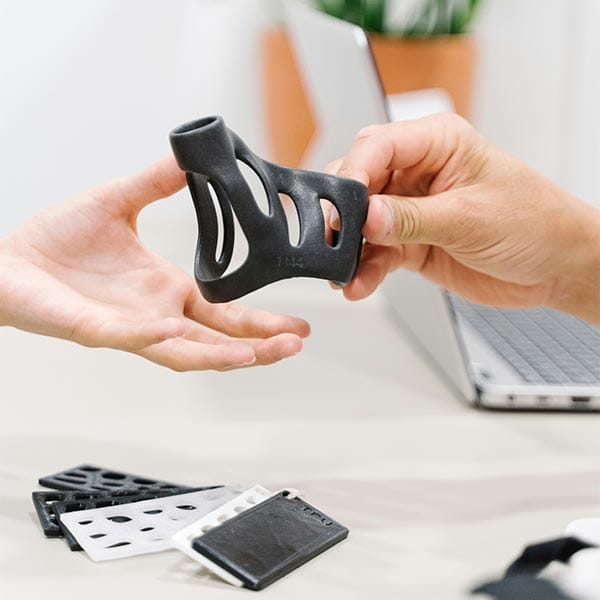
Verifies the design effect through physical prototypes: appearance prototype creation, surface finish simulation and CMF verification, tactile and human-computer experience evaluation, design issue feedback and optimization. Transforms “looks good” into “real usability.” Many designs look great on screen, but the actual physical effect is not ideal; this step is used to correct deviations in advance. 8. Design Finalization and Mass Production Support
After design confirmation, support is provided for the mass production stage: final design finalization, CMF confirmation and sample signing, collaboration with the structure and mold teams, mass production consistency control recommendations, and support for EVT/DVT stage implementation. This ensures the design can be stably replicated and produced. The design’s endpoint is not “completion,” but “ability to be mass-produced and maintain consistency.”

CEO
A startup children's products company
Working with OPD was a game-changer for our brand. Their product design expertise brought ourvision to life, and their seamless product development process ensured a successful launch. From proto-typing to manufacturing, they exceeded our expectations at every step.

Product Director
Xiaomi
We chase for extremely cost-effective products. The product we collaborated with OPD on is smart light. Due to the cost of product, we went through numerous versions of industrial design, mechanical design and so no. OPD helping us obtain very reasonable production prices. Looking forward to the next collaboration!

VP
FMCG brands in the Middle East
We are a beverage company, and planned to create a smart refrigerator to monitor our retail data in real-time. We were fortunate to find OPD, No matter sensor layout, firmware development or loT platform integration, they have done exceptionally well. Our product is still iterating, the OPD team has laid a good foundation.
Awards and Honors
Our product designs have won top global design awards.

Why do clients choose OPD industrial design services?
1. User-Driven Design
Starting with user research, we analyze user needs, usage scenarios, and psychological expectations to create user profiles, user journey maps, and behavioral and preference analyses. Design solutions revolve around real user experiences, rather than solely based on the designer’s subjective aesthetics.
Ensuring product appearance conforms to international aesthetics while closely meeting user needs, improving market acceptance and user satisfaction.
2. Scientific industrial Design Process, Ensuring Feasibility.
From design research, creative exploration, and CMF (Color, Material, Finish) development to 3D modeling, prototyping, and mass production implementation—each stage features clear deliverables and validation mechanisms. This approach minimizes rework and mitigates risk by proceeding in parallel with structural and electronics engineering, thereby ensuring the design is fully manufacturable. OPD Design delivers not merely aesthetically pleasing designs, but tangible, mass-producible industrial products, guaranteeing a high success rate for commercial realization.
3. Advantages of Chinese Manufacturing and Supply Chains
We facilitate rapid prototyping iterations and direct collaboration with suppliers, resulting in highly efficient communication and accelerated prototyping cycles. This approach reduces development costs while upholding rigorous quality standards. Clients in Europe and North America can leverage the efficiency, cost-effectiveness, and high quality of Chinese manufacturing support, all while benefiting from world-class industrial design expertise.
4. Multi-Round Validation Mechanisms to Mitigate Risk
From initial 3D modeling to the creation of high-fidelity prototypes, we conduct multiple rounds of validation focusing on visual aesthetics and tactile feel. Feedback gathered from market or user testing is seamlessly integrated into the optimization process, ensuring that the final mass-produced product remains true to the original design concept. By identifying and resolving issues during the early stages, we minimize the costs associated with late-stage modifications and ensure a smooth, successful product launch.
5. Professional and Transparent Communication & Project Management
We provide periodic progress reports and conduct review meetings throughout the entire project lifecycle, featuring clear design deliverables and defined milestones. International clients can participate in design reviews remotely, free from any language barriers or procedural hurdles. This ensures that clients remain fully informed of the design progress at every step, fostering a sense of confidence and peace of mind while minimizing the complexities often associated with cross-cultural communication.
6. An International Design Perspective
We possess an intimate understanding of the aesthetic preferences prevalent in major markets across Europe, North America, and Asia. By integrating this market insight with specific brand positioning and user research, we deliver design solutions that resonate with global audiences. Our cross-cultural design capabilities ensure that our products possess universal appeal and remain highly competitive within the international marketplace.
FAQ
How do you ensure that the industrial design remains faithful to the original concept during the mass production phase?
Design fidelity is paramount in product development. OPD places a strong emphasis on “Design for Manufacturability” (DFM) as a proactive, front-loaded process. We collaborate closely with structural engineering, mold-making, and production teams as early as the initial design phase. During the prototyping stage, we conduct rigorous validation of aesthetics, tactile feel, materials, and color palettes. Finally, prior to mass production, we finalize the design specifications and secure signed-off samples. This comprehensive approach guarantees that the final mass-produced product aligns perfectly with the original design drafts, thereby preventing any aesthetic compromises or distortions caused by manufacturing processes.
Can a Chinese design team effectively meet the aesthetic standards and preferences of international markets?
Absolutely. The OPD design team possesses a global aesthetic sensibility and extensive cross-cultural experience. We are well-versed in design trends across markets such as Europe, North America, and Japan. By integrating user research with brand positioning, we craft product exterior designs that adhere to international standards.
How is CMF (Color, Material, and Finish) design validated?
We provide high-fidelity samples, material prototypes, and visual renderings. Furthermore, during the physical prototype stage, we conduct rigorous validation of both tactile feel and visual aesthetics.
Through multiple rounds of validation and optimization, we ensure that the final mass-produced product remains fully consistent with the original design concepts.
Can the exterior design be effectively integrated with structural and electronics engineering?
OPD places a strong emphasis on interdisciplinary collaboration. From the initial stages of the project, our exterior design team works in lockstep with the structural and electronics engineering teams. We carefully consider internal spatial requirements, component layouts, and assembly processes to minimize potential conflicts later in the development cycle, thereby ensuring that the design is both technically feasible and ready for mass production.
What is the process for incorporating specific brand characteristics into the design?
We analyze and distill the brand’s visual language—its “Brand DNA”—during the initial design research phase. By aligning this with the product’s positioning and user requirements, we seamlessly integrate brand elements into the product’s form, proportions, materials, and color palette, thereby creating a brand experience that is both unique and cohesive.
Why should a client choose OPD over a design firm based in Europe or North America?
OPD offers a scientifically structured exterior design process, a global aesthetic perspective, and a user-centric methodology. By leveraging the inherent advantages of China’s manufacturing ecosystem and supply chains, we facilitate rapid iteration, cost-efficiency, and high-quality execution.
This means that clients can access a design experience—right here in China—that is on par with, if not more efficient than, that offered by Western design firms, all while simultaneously mitigating development risks.
Can a Chinese design team truly understand the usage habits of users in different countries?
Absolutely. OPD’s exterior design methodology is fundamentally user-centric. Prior to commencing the design work, we conduct in-depth user research specific to the target market, analyzing usage scenarios, user preferences, and cultural nuances. By combining these insights with international aesthetic standards, we ensure that our designs not only meet the expectations of overseas users but also maintain a strong sense of innovation and distinctiveness.