

Care Robot
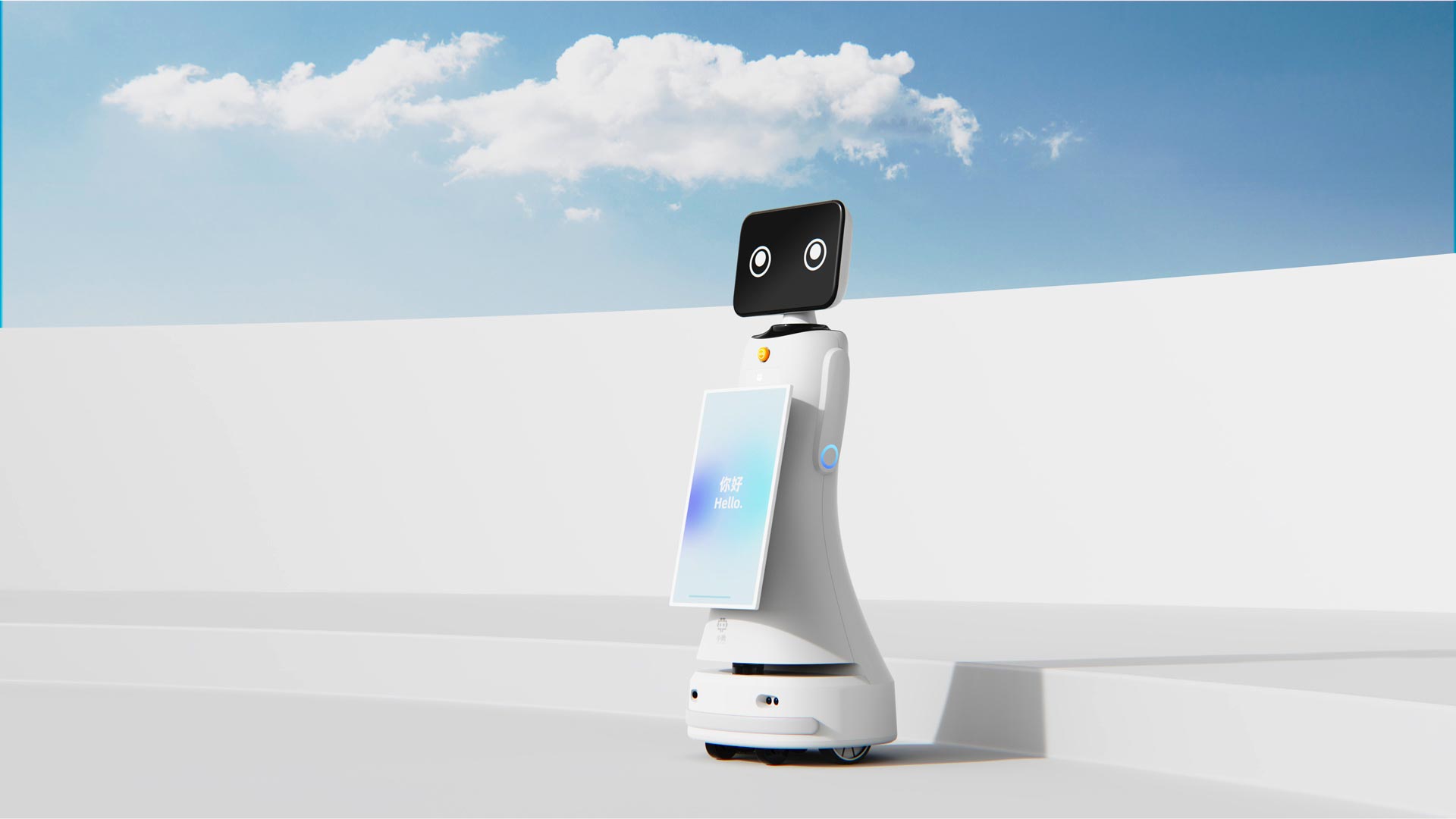
Client country: China
Services: industrial design|machine design|functional prototyping|packaging design|mold development
Project Background
With the aging population intensifying, the demand for care for the elderly living alone and disabled groups surges. Traditional manual care faces challenges like labor shortages and delayed responses. To address the imbalance between care supply and demand, this care robot is developed to provide 24/7 intelligent support integrating safety monitoring, daily assistance, and emergency response.
Solution
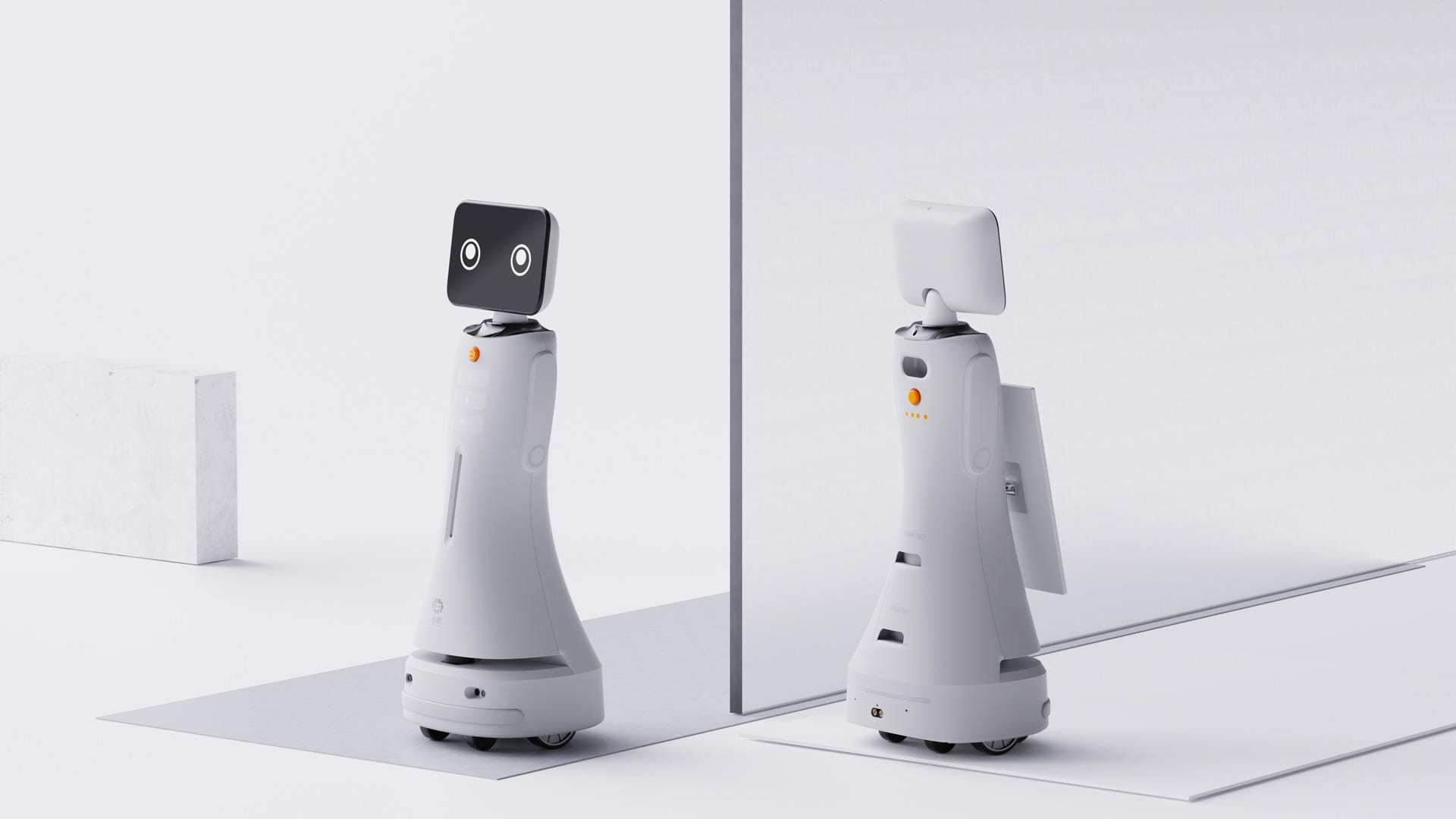
Preliminary Solution for Care Robot Design
A. Needs Research: Form a team including geriatrics and human-computer interaction experts.Collect the needs for safety monitoring, daily assistance, and emotional companionship ofdisabled/elderly living alone groups through questionnaires and in-depth interviews, and clarifythe priority of core functions such as fall detection and medication reminders.
B. Scenario Adaptation: For ward/home scenarios, define parameters such as obstacle avoidance accuracy and response time (e.g., fall recognition ≤ 0.5 seconds), and plan privacy protection mechanisms (local data encryption) simultaneously.
C. Technology Pre-research: Test the environmental perception effect of multi-sensor fusion (lidar + depth camera), verify the accuracy of emotional interaction algorithms (voice + facial expression recognition), and evaluate the feasibility of hardware modular selection (wheeled chassis + flexible interaction components).
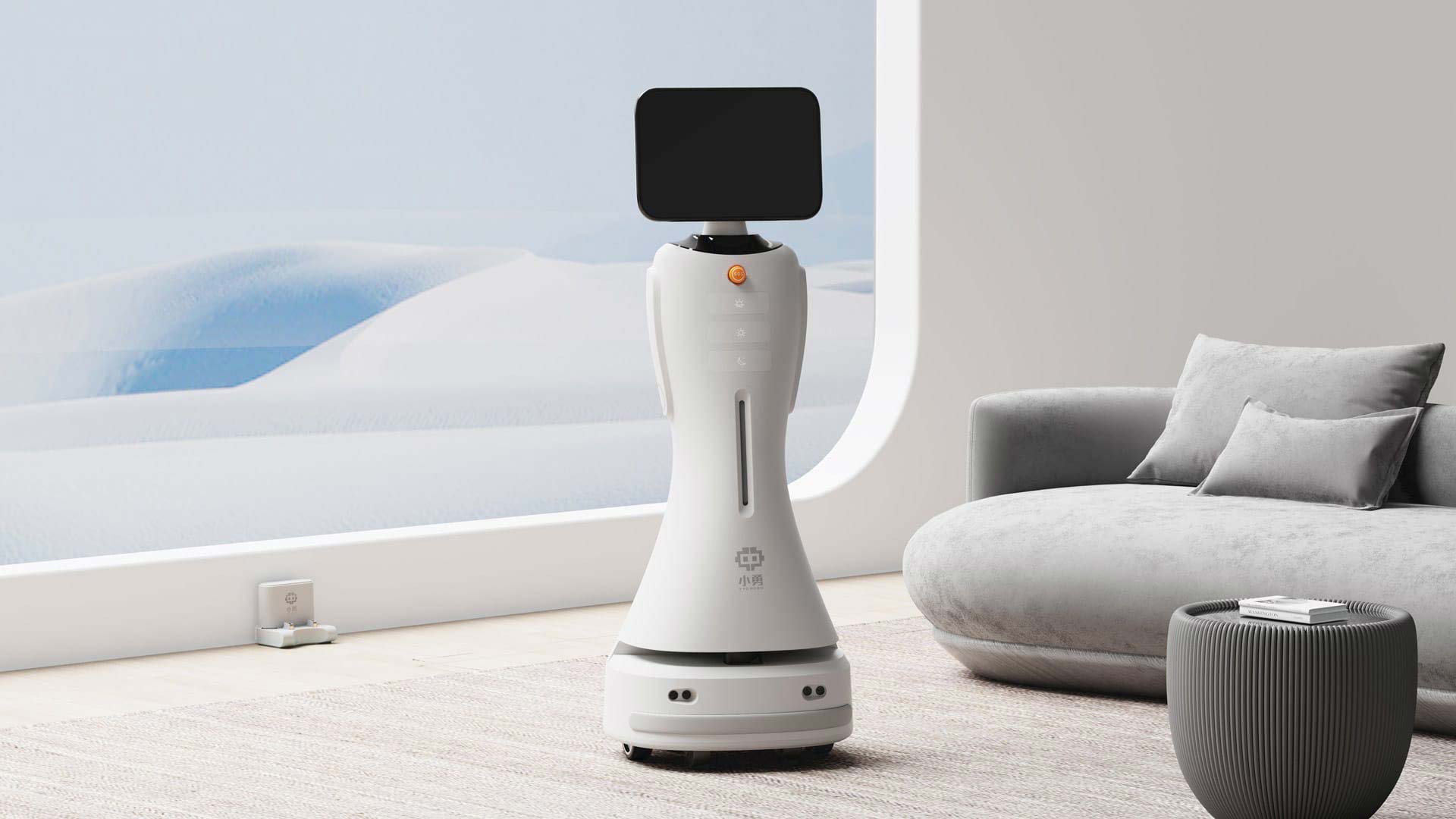
Care Robot Design Process
3.Detailed Design Phase: Refine hardware (sensor selection, chassis structure) and software (algorithm development, UI interface) schemes, and simultaneously formulate safety standards (such as anti-collision mechanisms).
Featured Projects

Smart Comb
A scalp care comb with a misting function, featuring an ergonomic design that combines style and practicality.
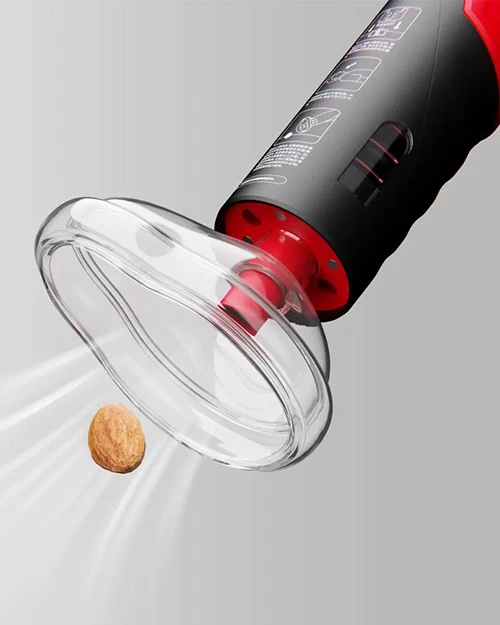
Anti-Choking Device
A home-use Heimlich maneuver device developed based on the principles of the Heimlich maneuver.
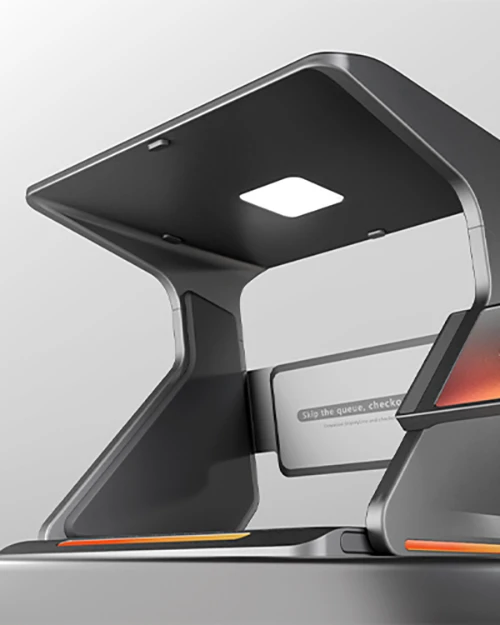
Self-Service Checkout System
These are the core devices supporting the "unmanned shopping" scenario and the key terminals for improving shopping efficiency.
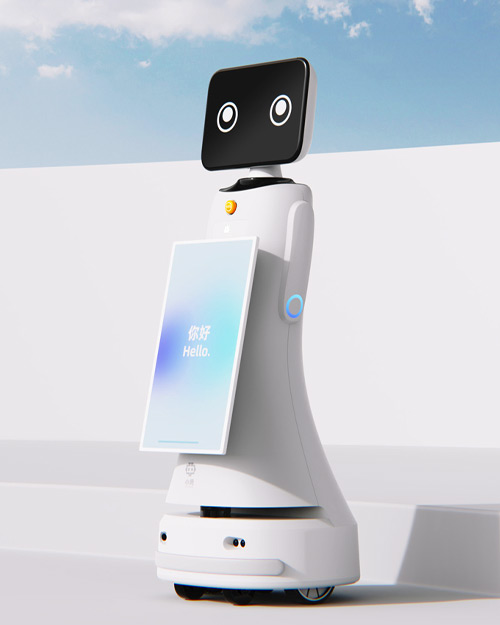
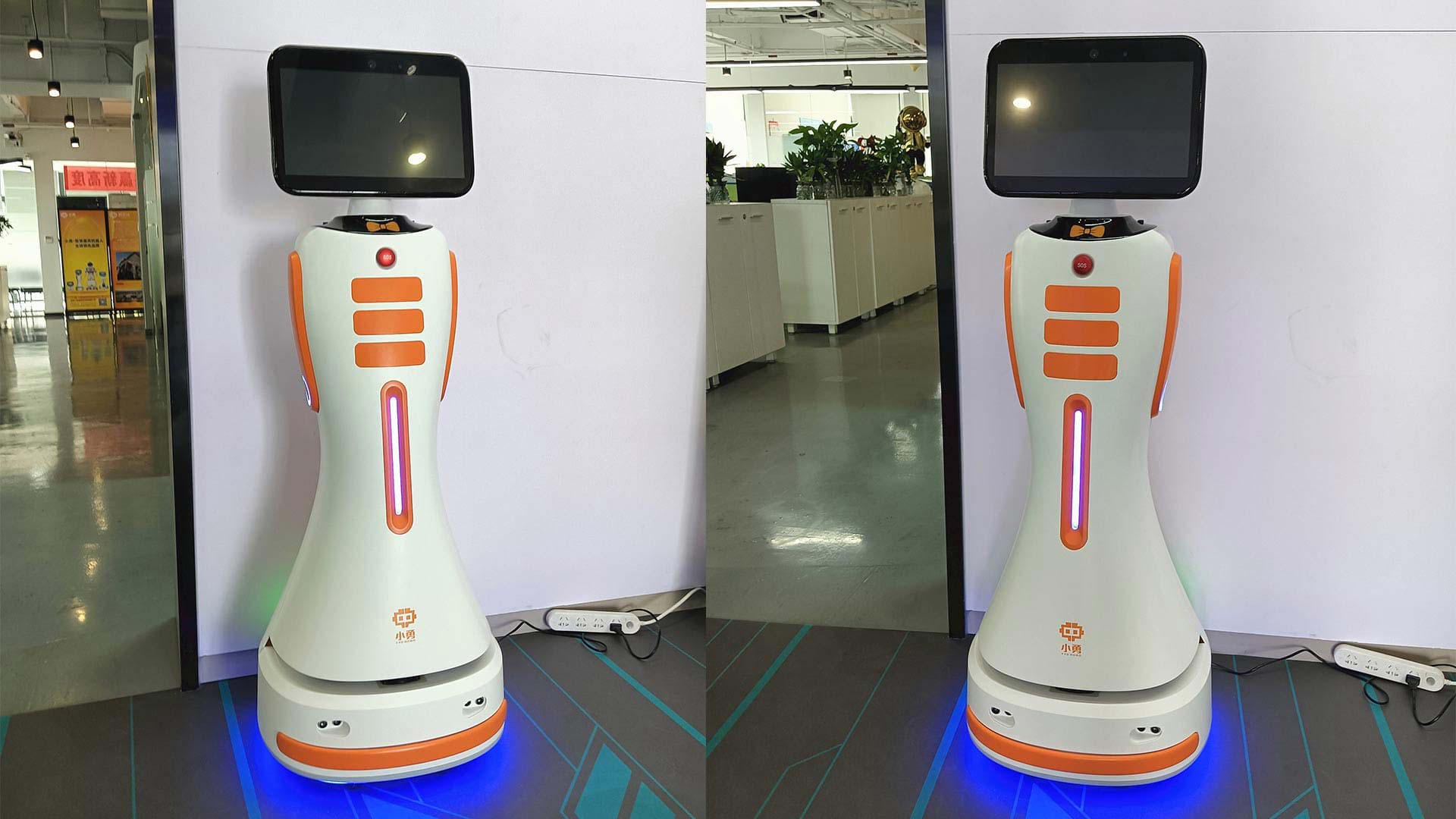
Care Robot
A care robot that integrates safety monitoring, daily assistance, and emergency response.
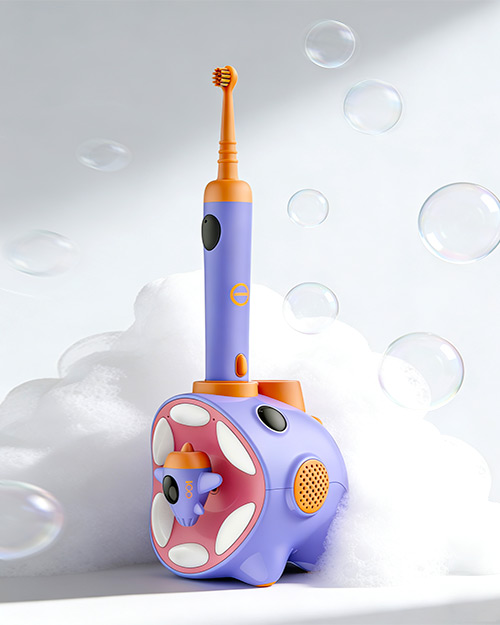
Kids Smart Toothbrush
Let children learn to brush their teeth independently in a fun way.
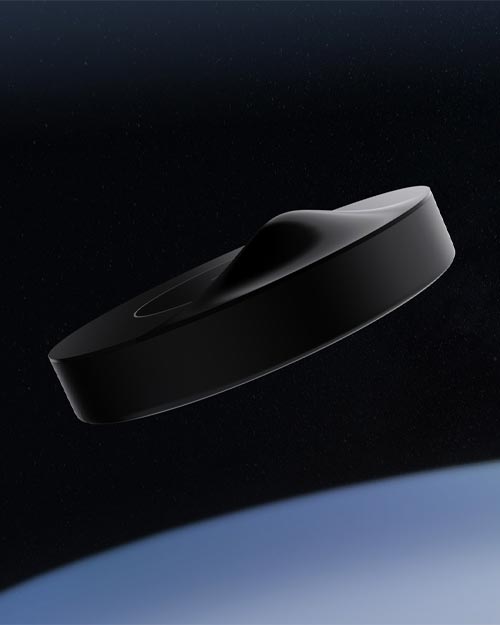
Sci-fi style electric ceramic stove
Spaceship-themed electric ceramic stove: a modern lifestyle.
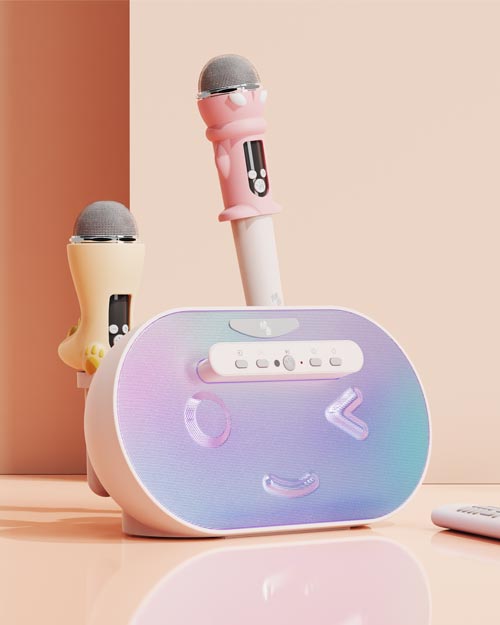
Children's KVT
Allowing children to learn through play and grow through learning.

AI interactive terminal
This project uses AI to recognize NFC chips, match IP-specific audio effects, enabling “one Baji, one exclusive interaction”