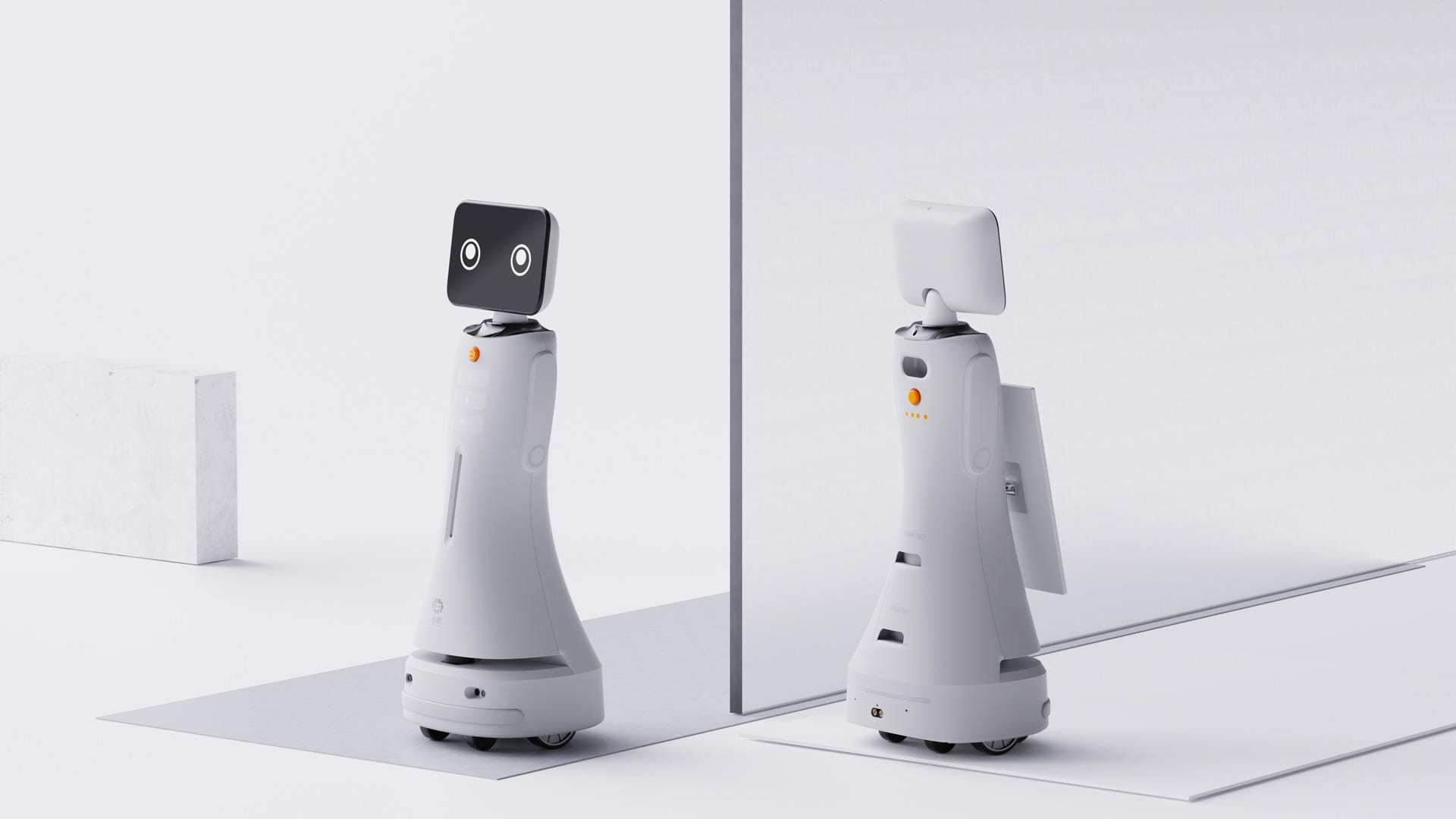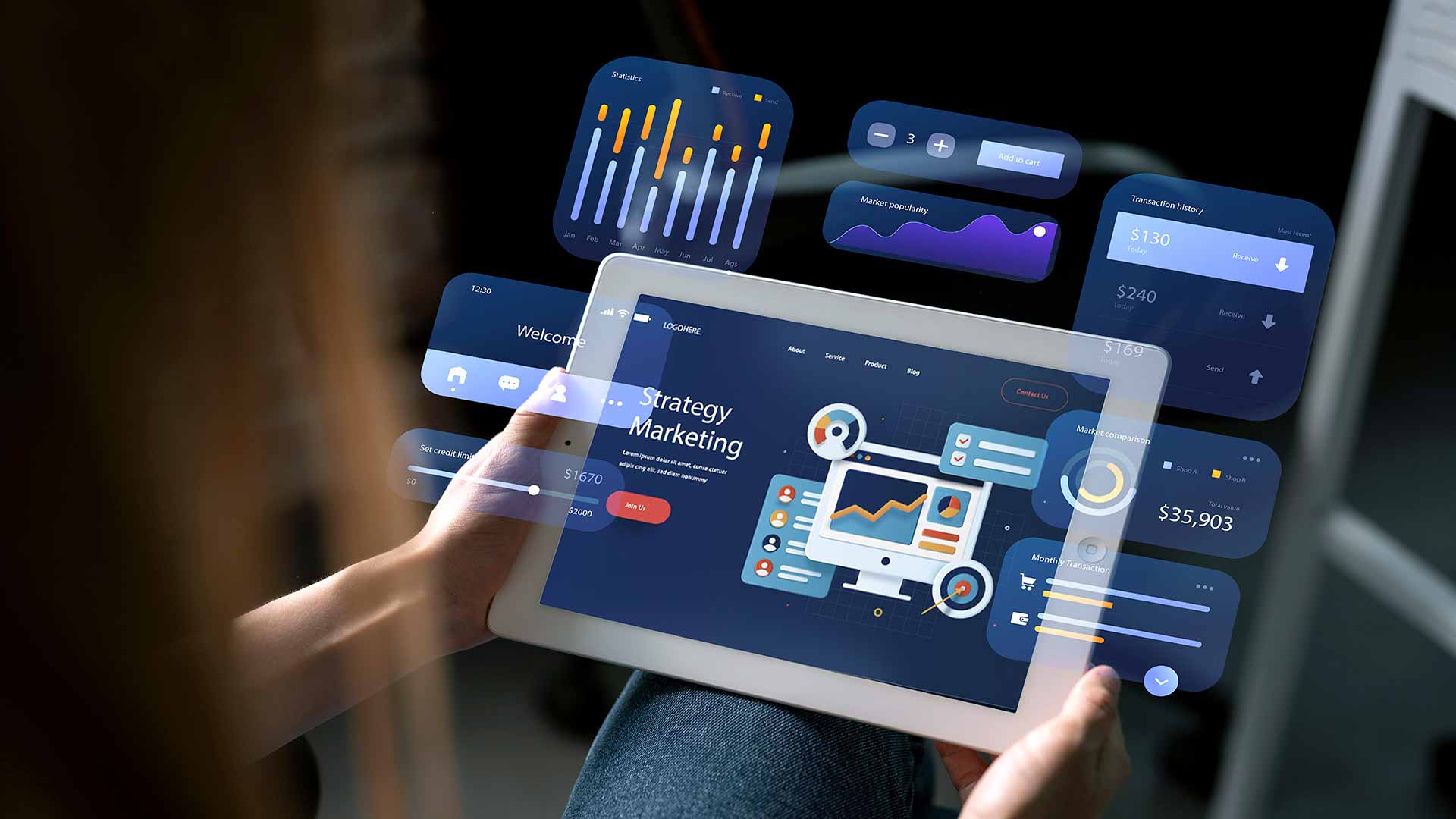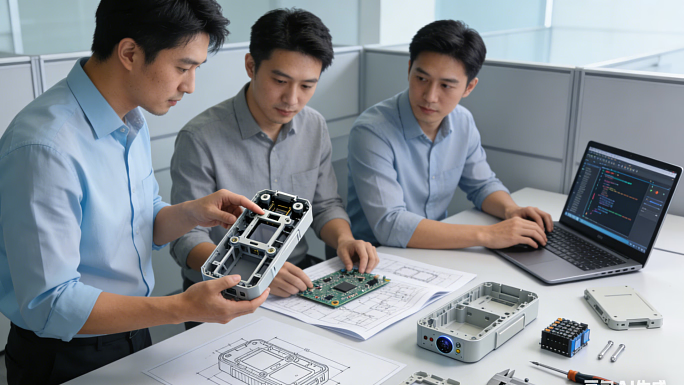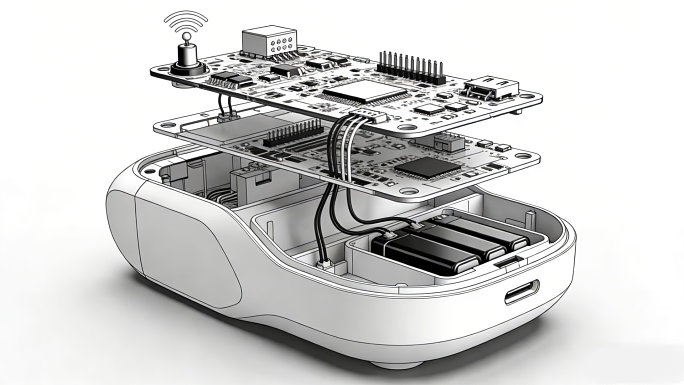

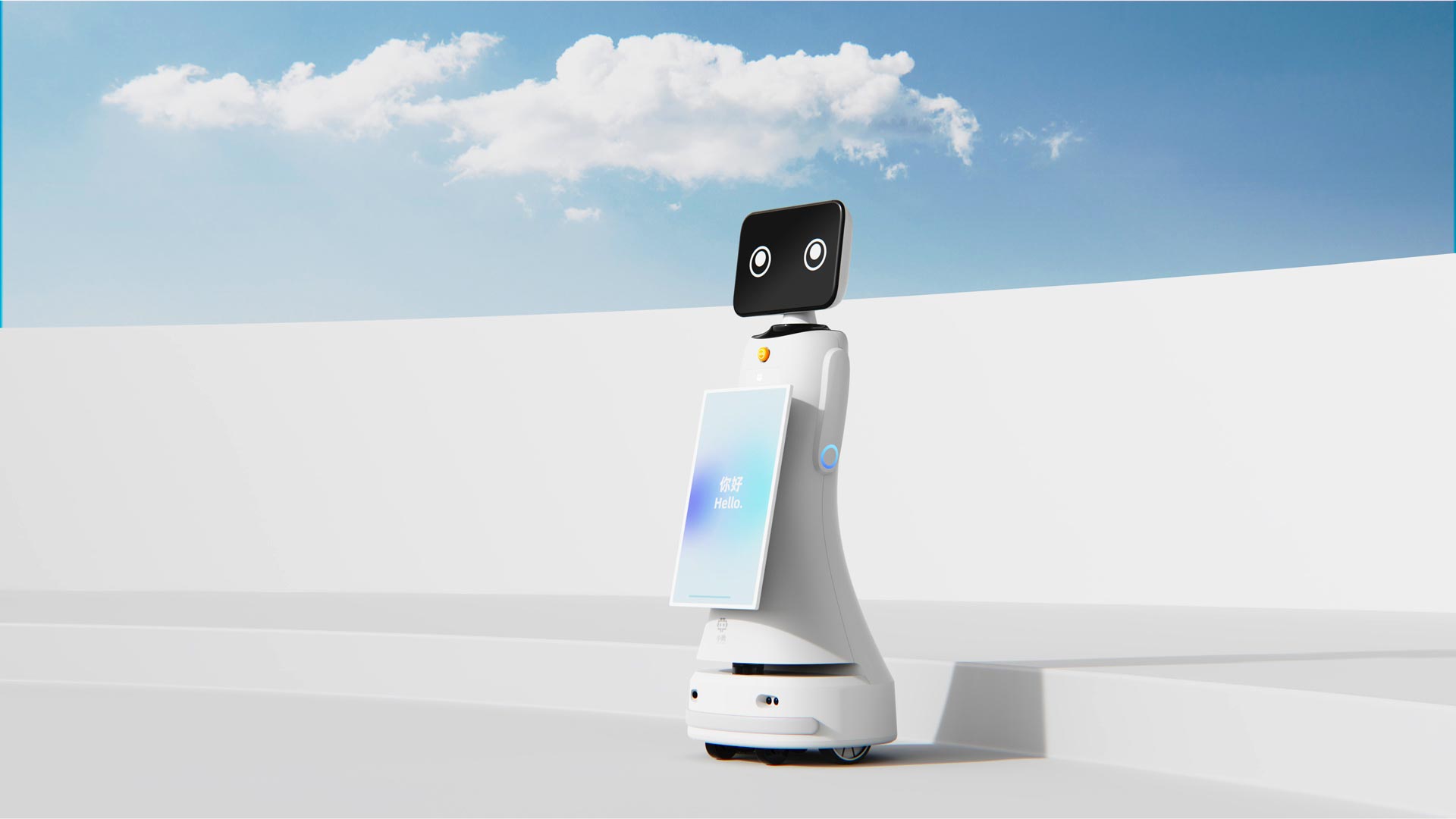
IoT product design plays a crucial role in modern robotics by enabling machines to connect, communicate, and operate intelligently in real time. Robotics integrated with Internet of Things technology allows devices to gather data, interact with systems, and automate complex processes across industries.
Businesses looking to develop advanced robotic systems often rely on expert solutions in iot product design to ensure seamless integration of hardware, software, and connectivity. With the right design approach, robotics products can achieve higher efficiency, better performance, and reliable communication across digital ecosystems.
Today, robotics powered by IoT technology supports industries such as manufacturing, healthcare, agriculture, logistics, and smart infrastructure. These connected systems allow organizations to monitor operations remotely, automate tasks, and improve productivity through intelligent data processing.
This blog explains how IoT product design supports robotics development and how hardware engineering, embedded software, and user experience design work together to create smart connected devices.
Understanding IoT Product Design in Robotics
IoT product design focuses on creating connected devices that collect, process, and transmit data through internet enabled systems. In robotics, this means designing machines that can communicate with sensors, cloud platforms, and other devices.
Robotics solutions depend on IoT technology to enable real time monitoring, automation, and predictive operations. By combining sensors, connectivity modules, and embedded intelligence, engineers can develop robots that operate efficiently in dynamic environments.
Key elements of IoT product design include:
- Hardware system architecture
- Embedded software development
- Sensor integration
- Connectivity management
- Data processing systems
- User interface design
These elements ensure that robotic devices can operate reliably while maintaining secure communication across networks.
The Role of IoT in Modern Robotics
IoT technology enhances robotics by making machines smarter, more responsive, and capable of autonomous operations. Connected robotics systems can gather data continuously and adjust actions based on real time conditions.
For example, industrial robots equipped with IoT sensors can monitor machine performance and detect operational changes. Similarly, service robots can interact with digital systems to complete tasks more efficiently.
Benefits of IoT in robotics include:
- Real time monitoring of robotic operations
- Remote device management
- Predictive maintenance capabilities
- Improved automation and efficiency
- Better data analysis and reporting
These advantages make IoT integration an essential part of modern robotics product development.
Core Components of IoT Product Design for Robotics
Developing smart robotic systems requires the integration of multiple engineering disciplines. IoT product design ensures that every component works together to create a reliable connected system.
Hardware Architecture
Hardware architecture forms the physical foundation of robotic devices. It includes sensors, microcontrollers, actuators, and connectivity modules.
Designing robust hardware ensures that robots can operate in different environments while maintaining stable performance. Engineers select components that support communication protocols and energy efficient operations.
Important hardware considerations include:
- Sensor compatibility
- Processing power
- Connectivity modules
- Power management systems
- Environmental durability
A well designed hardware architecture supports seamless integration with embedded software and IoT platforms.
Embedded Software Development
Embedded software controls the behavior and intelligence of robotic systems. It manages communication between sensors, processors, and cloud platforms.
Software engineers develop firmware that enables devices to process data, perform automated tasks, and communicate with remote systems. Efficient coding ensures that robots can operate reliably without performance delays.
Embedded software also supports security protocols and device management functions within IoT networks.
Connectivity and Communication
Connectivity is a key part of IoT product design for robotics. Robots must communicate with other devices, platforms, and cloud systems to exchange data.
Common connectivity technologies include:
- WiFi
- Bluetooth
- Cellular networks
- LPWAN communication
- Industrial communication protocols
Choosing the right communication method ensures reliable data transfer and efficient system performance.
Sensor Integration and Data Collection
Sensors are essential components in robotic IoT systems. They allow robots to detect environmental changes, monitor conditions, and gather operational data.
Robotics applications rely on various sensor types, including:
- Temperature sensors
- Motion sensors
- Proximity sensors
- Pressure sensors
- Environmental monitoring sensors
These sensors enable robotic devices to interact with their surroundings and respond to changing conditions. Data collected from sensors is transmitted to cloud platforms where it can be analyzed to improve system performance.
Effective sensor integration improves automation accuracy and operational efficiency.
Cloud Integration and Data Processing
IoT robotics systems often rely on cloud platforms to manage data and system operations. Cloud connectivity allows robots to store information, perform analytics, and communicate with other connected devices.
Cloud platforms support:
- Data storage and analysis
- Remote system monitoring
- Software updates
- Device management
- Integration with enterprise systems
These capabilities allow organizations to manage large networks of robotic devices efficiently.
In the middle of the development process, companies also focus on advanced iot product development strategies to ensure that connected robotics systems operate reliably within complex digital ecosystems.
Cloud integration also enables machine learning and artificial intelligence applications, which further enhance robotic intelligence and automation.
Industrial Applications of IoT Robotics
IoT powered robotics systems are used across many industries where automation and connectivity improve productivity.
Manufacturing Automation
Manufacturing facilities use connected robots to perform repetitive tasks with precision. IoT integration allows machines to communicate with production systems and monitor equipment performance.
Robotic automation in manufacturing improves production efficiency and reduces operational interruptions.
Healthcare Robotics
Healthcare providers use robotic systems for surgical assistance, medical monitoring, and patient care. IoT connectivity allows healthcare professionals to monitor devices remotely and access real time data.
Connected robotics systems help improve healthcare efficiency and patient outcomes.
Agriculture and Smart Farming
Agricultural robotics systems support crop monitoring, soil analysis, and automated farming equipment. IoT sensors collect environmental data that helps farmers make informed decisions about irrigation and crop management.
This technology supports sustainable farming practices and improves agricultural productivity.
Logistics and Warehouse Automation
Warehouse operations rely on robotics for sorting, packaging, and inventory management. IoT connectivity enables real time tracking of goods and automated coordination between machines.
This improves supply chain efficiency and reduces manual handling tasks.
Importance of User Experience in IoT Robotics Design
User experience plays a significant role in IoT product design for robotics. Even advanced robotic systems require intuitive interfaces that allow users to control and monitor devices easily.
Design teams focus on creating dashboards, mobile applications, and control interfaces that simplify system management.
Key user experience considerations include:
- Simple device management interfaces
- Clear data visualization
- Remote control functionality
- Easy software updates
- Efficient device monitoring tools
A well designed user interface ensures that organizations can operate robotics systems without complex technical processes.
Security Considerations in Connected Robotics
Security is a critical aspect of IoT robotics development. Connected devices must protect sensitive data and maintain secure communication channels.
Security measures commonly implemented in IoT robotics systems include:
- Device authentication protocols
- Secure communication encryption
- Firmware protection mechanisms
- Network security monitoring
- Secure cloud integration
These practices help maintain data integrity and ensure safe operation of connected robotic systems.
Strong security architecture also protects organizations from potential cybersecurity risks while maintaining reliable device performance.
Future Trends in IoT Robotics
The future of robotics continues to evolve as IoT technologies become more advanced. Innovations in connectivity, artificial intelligence, and edge computing are expanding the capabilities of connected devices.
Emerging trends include:
- AI driven robotic decision making
- Edge computing for faster processing
- Advanced sensor technologies
- Collaborative robots working alongside humans
- Smart infrastructure integration
These advancements will enable robotics systems to become more intelligent, autonomous, and efficient across industries.
Organizations investing in IoT robotics solutions today are building the foundation for future digital transformation.
Conclusion
IoT product design plays a fundamental role in the development of modern robotics systems. By combining hardware engineering, embedded software, connectivity solutions, and user experience design, companies can create smart connected devices that support automation and intelligent operations.
Connected robotics solutions enable organizations to improve productivity, gather valuable operational data, and streamline complex processes across industries. From manufacturing and healthcare to agriculture and logistics, IoT powered robotics systems continue to transform how businesses operate.
As IoT technologies evolve, robotics devices will become even more intelligent and capable of performing advanced tasks in dynamic environments.
Organizations interested in developing connected robotics solutions can explore expert support and advanced engineering services. For more information about IoT robotics development solutions, you can contact us to discuss your project requirements and explore the possibilities of building smart connected robotic devices.
FAQs
1.What is IoT product design in robotics?
IoT product design in robotics refers to the process of creating robotic devices that connect to networks, collect data, and communicate with other systems through internet enabled technologies.
2. Why is IoT important for robotics development?
IoT technology enables robots to gather real time data, communicate with cloud systems, and perform automated tasks efficiently. This improves operational performance and monitoring capabilities.
3. What components are involved in IoT robotics systems?
Key components include sensors, microcontrollers, embedded software, connectivity modules, cloud platforms, and user interface systems.
4. Which industries use IoT robotics solutions?
Industries such as manufacturing, healthcare, agriculture, logistics, and infrastructure rely on IoT robotics for automation, monitoring, and intelligent operations.
5. How does IoT improve robotic automation?
IoT allows robots to collect and analyze data continuously. This helps systems adapt to changing environments, improve decision making, and enhance automation efficiency.