
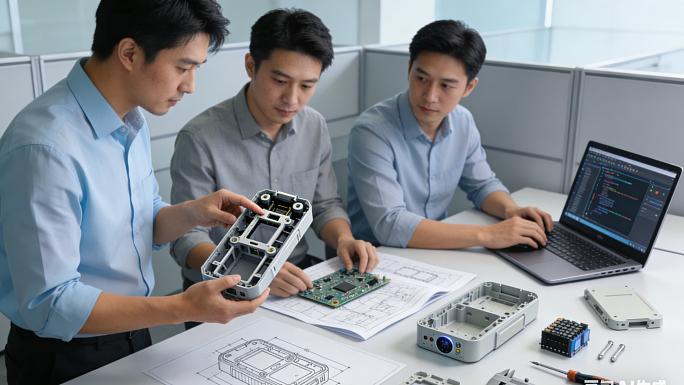
Creating connected devices requires a perfect integration of hardware, software, and thoughtful design. At OPD Design, we specialize in IoT product development, building IoT solutions that are innovative, reliable, and user-friendly. Smart devices are increasingly shaping homes, industries, and cities, making intelligent solutions essential for modern businesses.
A successful IoT product not only connects devices but also delivers real value, seamless usability, and scalability. Every aspect, from hardware selection to interface design, needs careful consideration to ensure devices meet both user expectations and industry standards.
Understanding IoT Product Development
IoT product development is much more than simply connecting devices to the internet. It is a comprehensive process that involves conceptualization, design, hardware selection, software integration, AI implementation, and rigorous testing to ensure devices perform exactly as intended.
Successful IoT products deliver real value to users, are intuitive to operate, and scale efficiently for various markets. They are designed to solve practical problems, enhance productivity, and provide meaningful insights through data analysis. Effective IoT product development requires careful planning, collaboration between multidisciplinary teams, and an understanding of both user needs and technical constraints.
Components of IoT Systems
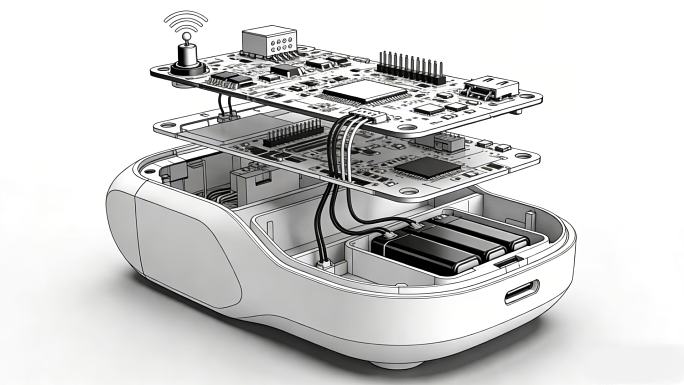
An IoT product integrates multiple components to create a seamless connected experience. These components work together to collect data, process information, and enable intelligent interactions. Key elements include:
Sensors and Actuators
Sensors collect real-time environmental or user data, while actuators perform actions based on processed information. Together, they form the device’s input-output system.
Connectivity Modules
Wi-Fi, Bluetooth, LTE, and other communication protocols ensure that devices can transmit data reliably and in real-time across networks.
Embedded Processing Units
Microcontrollers and processors interpret the data collected, making calculations, triggering actions, and enabling intelligence at the edge.
Cloud Platforms
Cloud systems store data, provide analytics, and allow remote monitoring and control, creating scalability and flexibility.
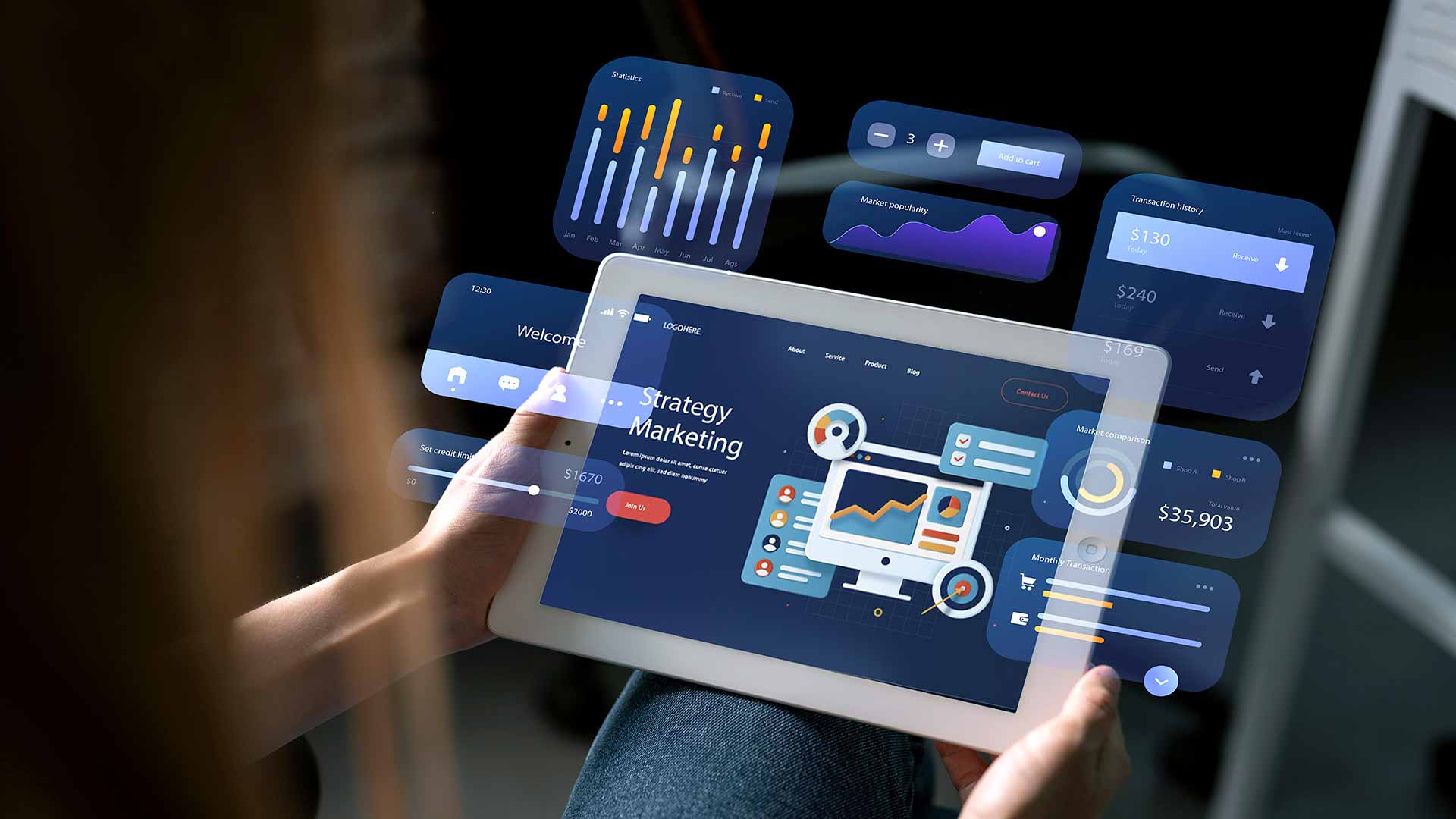
User Interfaces and Dashboards
These allow users to interact with the system, monitor performance, visualize data, and make informed decisions seamlessly.
Additional considerations, such as cybersecurity and data privacy, are increasingly important in IoT systems, as they ensure devices are safe and compliant with industry standards.
Importance of Hardware-Software Collaboration
For any IoT product to succeed, hardware and software must function in perfect harmony. Hardware forms the foundation, enabling the physical interactions and data collection, while software processes this data and drives intelligent functionality.
Design and user experience play a pivotal role in making the product intuitive and enjoyable to use. The collaboration of these disciplines minimizes errors, reduces development time, and ensures the final product is reliable, efficient, and scalable.
For example, poorly synchronized hardware and software can lead to delayed responses, inaccurate data, or inefficient energy usage. Careful integration ensures optimal performance, reduces maintenance needs, and increases overall device longevity.
The Role of Hardware in IoT Products
Hardware is the backbone of every IoT solution. Each component, from sensors to processors, affects the efficiency, reliability, and usability of the device. The right hardware ensures smooth operation, supports advanced functionalities, and provides a solid platform for software and AI integration.
Choosing the Right Hardware Components
Selecting appropriate hardware is critical for ensuring high performance and long-term reliability. Components must be chosen to balance capability, durability, and cost-effectiveness.
Microcontrollers and Processors
These act as the brain of the device, managing data processing, decision-making, and communication. The choice of processor impacts speed, multitasking, and energy consumption.
Communication Modules
Wi-Fi, Bluetooth, Zigbee, or LTE modules allow devices to transmit data reliably. Selection depends on range, speed, energy efficiency, and environmental conditions.
Sensors
Accurate and responsive sensors are essential for gathering real-world data. Examples include temperature, humidity, motion, light, or proximity sensors.
Power Solutions
Energy-efficient batteries, solar modules, or power management circuits extend device life, reduce maintenance, and ensure uninterrupted operation.
Connectivity and Integration Support
IoT devices often need compatibility with multiple platforms, protocols, or smart ecosystems. Hardware choices must allow easy integration and future upgrades.
Hardware design also considers factors like durability, thermal management, and environmental resistance to ensure devices operate reliably in various conditions.
Additional Insights on Hardware Optimization
Beyond selecting components, hardware design must address miniaturization, scalability, reliability testing, and cost-efficiency. By optimizing hardware alongside software and design, IoT products achieve higher performance, user satisfaction, and market success.
Software Development for IoT
Software brings intelligence to IoT devices. It controls hardware, connects devices to the cloud, and provides interfaces for users to interact with the system.
Firmware and Device Control
Firmware serves as the operating layer of IoT devices. It enables sensors and actuators to work together and communicate with other devices or platforms. Efficient firmware improves performance, responsiveness, and reliability.
Cloud Platforms and Data Analytics
IoT devices generate large volumes of data. Cloud platforms store this data, process it, and perform analytics for actionable insights. Real-time monitoring, predictive analysis, and remote management become possible through cloud integration.
Applications and Dashboards
User-facing applications allow device monitoring, control, and data visualization. Dashboards provide an intuitive overview of device performance and user interaction. A well-designed interface enhances user engagement and adoption.
Integrating AI into IoT Product Design
AI transforms IoT products by enabling automation, predictive insights, and intelligent decision-making. At OPD Design, we integrate AI into hardware and software through our AI product design services.
Predictive Maintenance
AI monitors device performance and predicts potential failures. Predictive maintenance reduces downtime, improves reliability, and optimizes operational costs.
Intelligent Automation
Automation through AI streamlines repetitive tasks and allows devices to make smart decisions without manual intervention.
Personalization and Smart Insights
AI analyzes user behavior and device usage patterns to provide personalized experiences. Smart insights help users get the most value from IoT products.
The Importance of Design in IoT Product Development
Design is critical in ensuring that IoT devices are practical, intuitive, and visually appealing. It covers industrial design, UX, and UI.
Industrial Design Considerations
Good industrial design considers ergonomics for daily use, compact and modular hardware layout, and durable and sustainable materials.
User Experience (UX) Design
UX focuses on ease of use, clear navigation, and intuitive controls. A smooth user experience enhances device adoption and satisfaction.
User Interface (UI) Design
UI design ensures dashboards, notifications, and mobile apps are clear and responsive. Good UI design helps users interact seamlessly with devices and services.
Steps in IoT Product Development Process
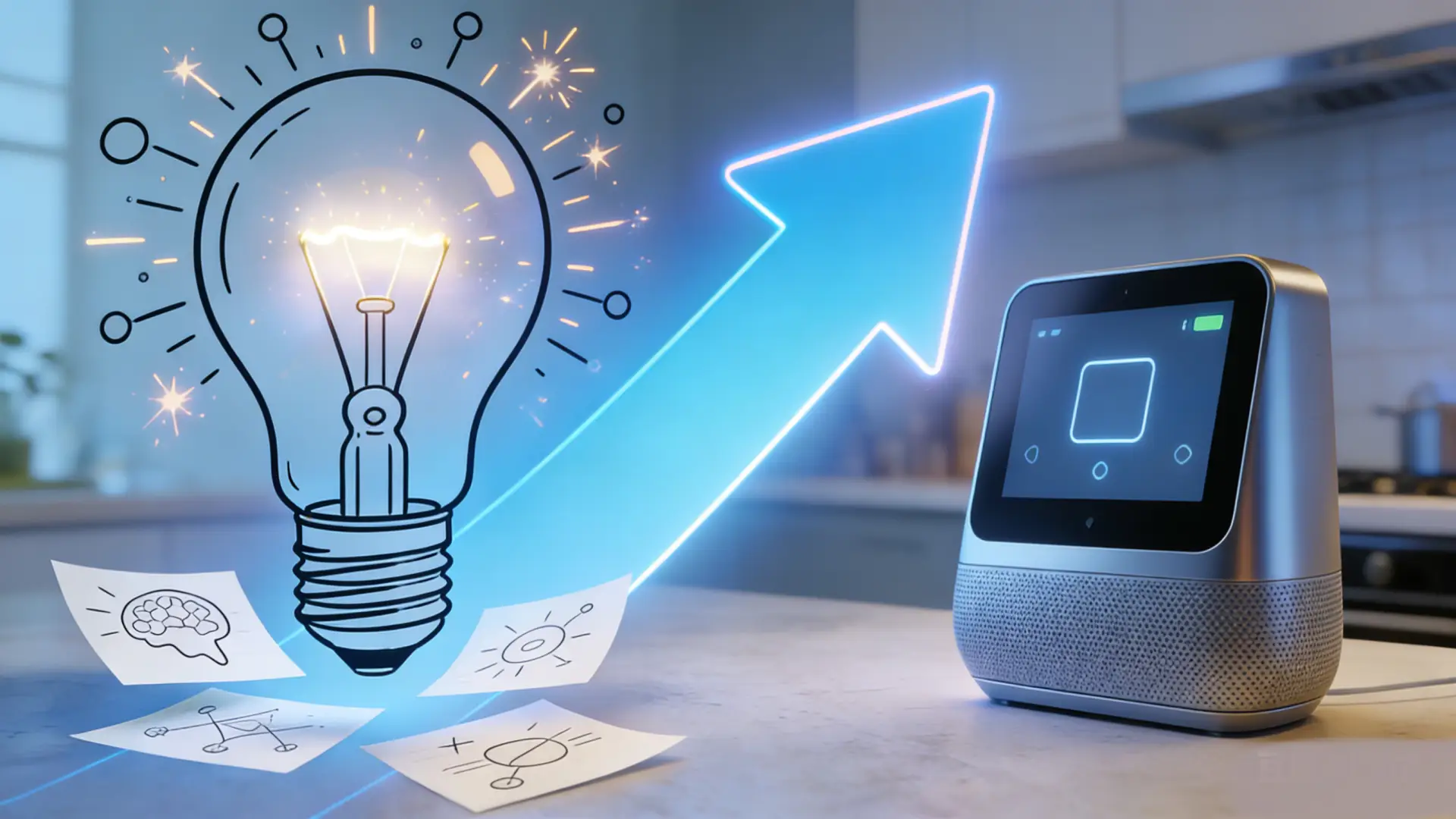
A structured approach ensures that IoT products meet user needs and technical requirements. Key steps include ideation and conceptualization, hardware and sensor selection, software architecture planning, AI integration, prototyping and testing, design refinement, deployment, and monitoring.
Benefits of Professional IoT Product Development Services
Choosing professional IoT product development services ensures end-to-end support from concept to deployment. Benefits include seamless integration of hardware, software, and AI, user-focused design, optimized performance, reduced risks, and long-term support.
Collaborating with an IoT Product Design Company
Partnering with an experienced IoT product design company helps businesses access cross-functional expertise, accelerate prototyping, ensure market-ready solutions, and streamline the design-to-production process.
Future of IoT Product Development
IoT continues to evolve rapidly with AI-driven devices, expanded connectivity across industries, increased focus on security and sustainability, and continuous improvements through cloud-based updates.
Conclusion
IoT product development is a collaborative process that combines hardware, software, AI, and design to create intelligent, user-friendly, and reliable products. With professional expertise and integrated development, businesses can deliver innovative solutions that scale efficiently and meet market demands. If you are ready to develop smart IoT solutions, contact us to discuss your project today.
FAQs
1. What is IoT product development?
IoT product development is the process of designing, developing, and deploying connected devices that integrate hardware, software, and AI for smart functionality.
How does AI enhance IoT devices?
AI enables predictive maintenance, automation, personalization, and advanced analytics, making IoT products smarter and more user-friendly.
3. What are the key components of an IoT device?
Sensors, actuators, microcontrollers, communication modules, cloud platforms, and user interfaces are essential for IoT functionality.
4. Why is design important in IoT products?
Industrial design, UX, and UI make IoT devices practical, easy to use, and visually appealing, improving adoption and satisfaction.
5. Can a single company manage full IoT product development?
Yes, a professional IoT product design company ensures integration of hardware, software, AI, and design, providing efficient, market-ready solutions.