AI-Powered IoT Robot Product Development Services
This ecosystemen compassesadvanced technology in three pivotal areas: NLP/GPT, computer vision (CV), and autonomous navigation and walking (SLAM). With many years of technological experience, OPD hassecured more than 200 independent intellectual property rights.
About OPD Design's AI IoT Robot Solutions
IoT robots sit at the intersection of intelligent software and demanding hardware. While AI teams focus on natural language processing, computer vision and simultaneous localization and mapping, the physical product — its enclosure, thermal path, sealing, moving mechanism, EMC and mass production — still requires experienced hardware engineers and a mature supply chain.
That’s exactly where OPD Design comes in.
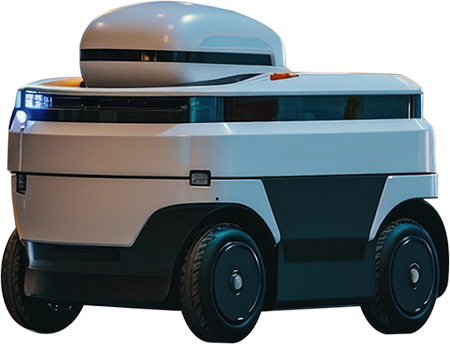
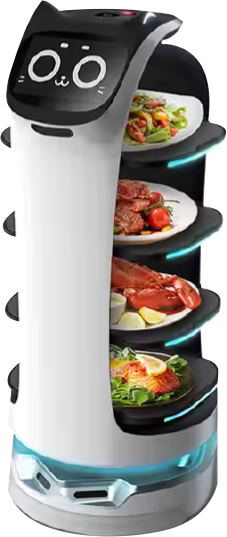
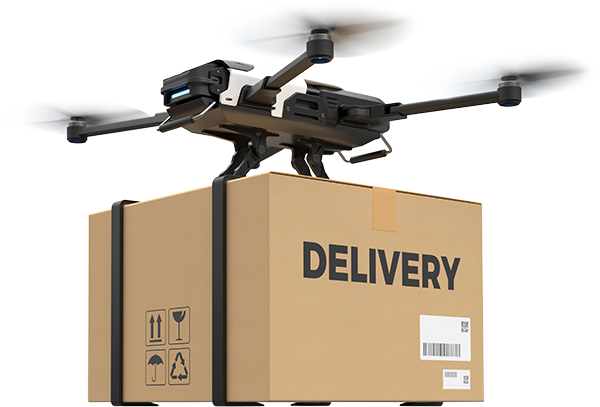
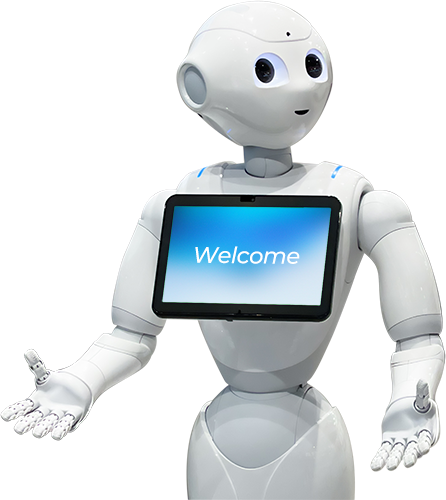
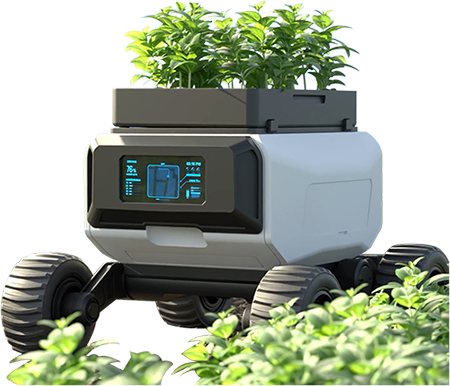
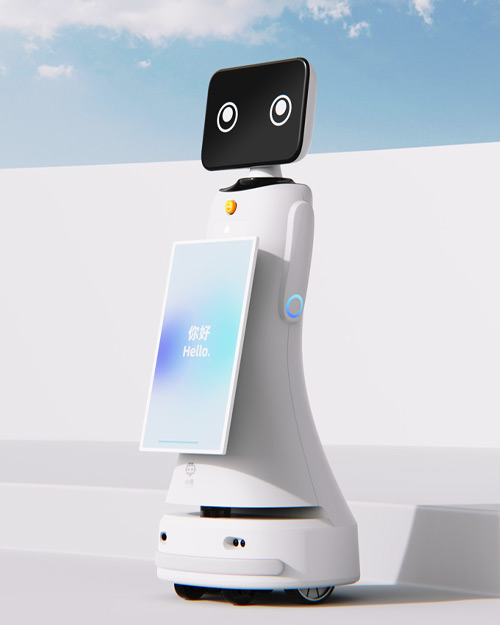
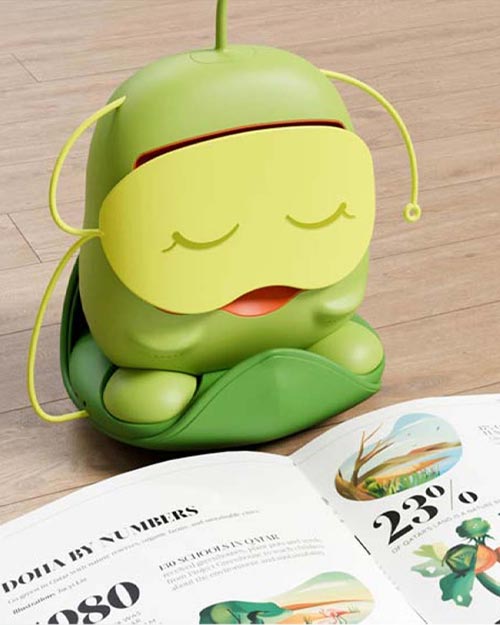
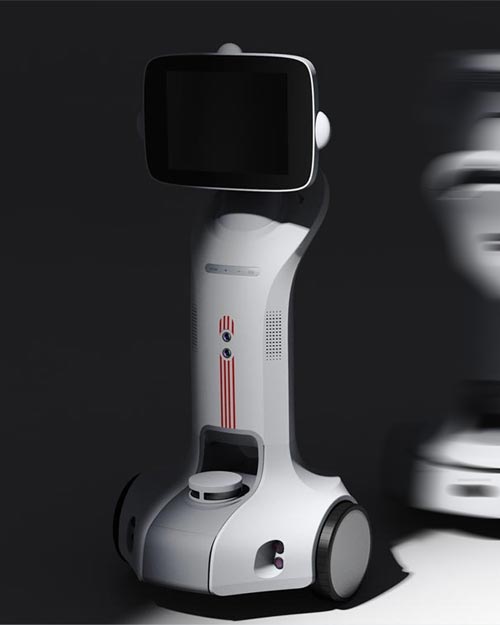
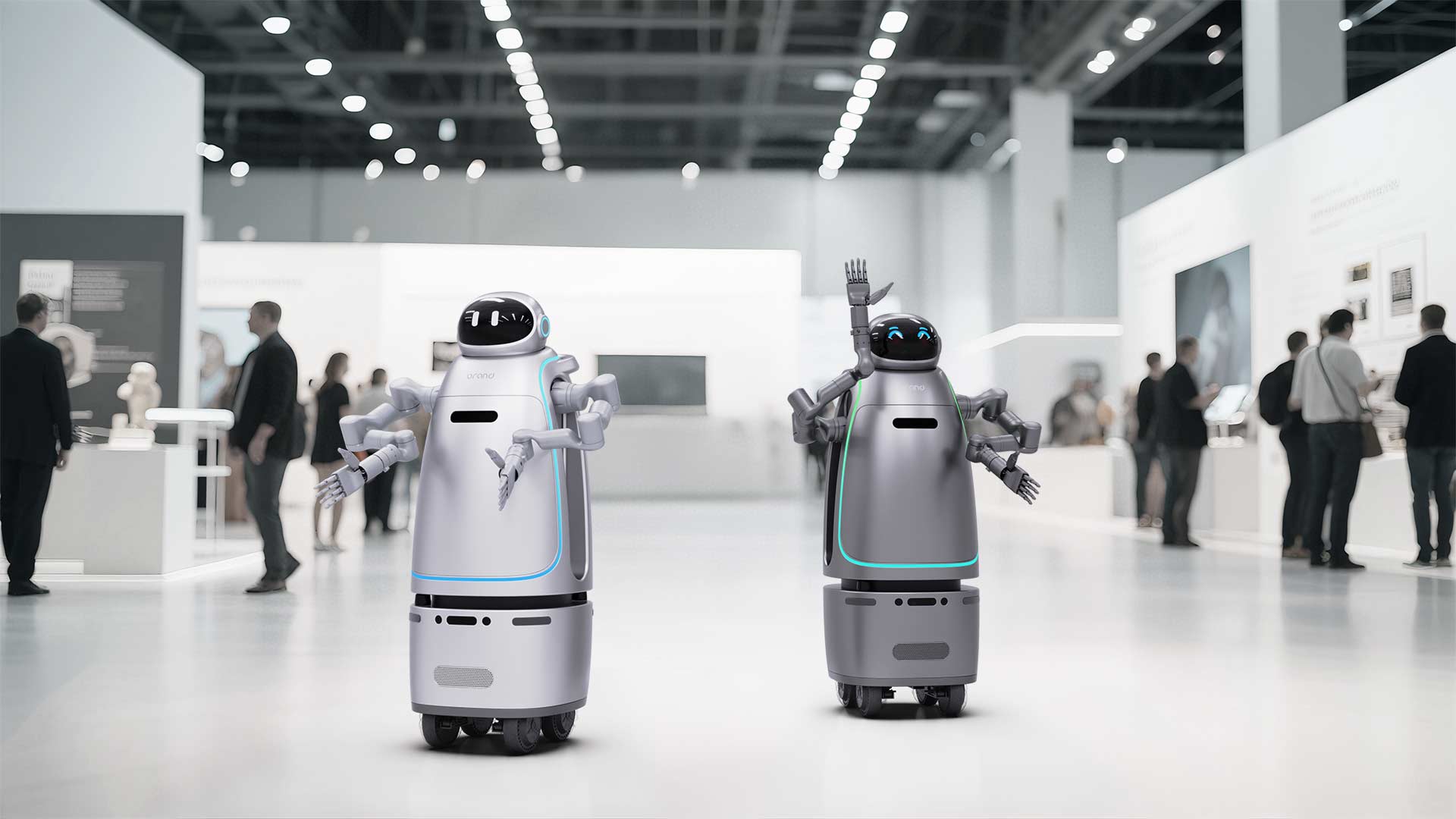
We are a product development partner for AI-powered IoT robots. Our Shenzhen-based team has helped customers bring care robots, delivery robots, cleaning robots, reception robots, patrol robots and educational robots from concept to mass production. We handle the full hardware side: industrial design, mechanical design, mold making, injection molding, surface finishing, assembly and testing.
More than 200 robot projects have been delivered through our team, covering consumer, commercial and industrial segments. Whether you are launching a first-generation prototype or scaling an existing design to 10,000 units per month, OPD Design can be your manufacturing backbone in China.
200+
Independent
intellectual
property Rights
7 Years
The big data
platform has been
operational
3 Billion
Have been
provided to users
Technical advantages
of OPD Design AI robot
Our hardware is designed to support the three core technologies behind AI-powered IoT robots:
(Natural Language Processing)
Enclosures optimized for microphone arrays, speaker placement and acoustic isolation, ensuring clear voice interaction.
(Computer Vision)
Precise camera mounting, field-of-view alignment and thermal management for vision modules, enabling reliable object detection and scene recognition.
(Simultaneous Localization and Mapping)
Structural design that integrates LiDAR, IMU and wheel encoders with minimal interference, supporting accurate navigation in complex environments.
Featured Projects
Planning an AI IoT robot project and need a reliable hardware partner in China?
Hardware Architecture of OPD AI IoT Robots
OPD Design’s hardware architecture for AI-powered IoT robots is built around five integrated layers, each engineered to work with your AI software stack:
Sensor Integration Layer — Precision mounting and alignment of cameras, LiDAR, ultrasonic sensors and microphone arrays, with calibrated fields of view and EMI shielding.
Computing & Thermal Layer — Structural design around AI computing modules, with passive and active thermal paths that keep NLP, CV and SLAM chips within operating range under continuous load.
Motion & Mechanism Layer — Wheel, suspension and joint mechanisms engineered for stability, easy service access and long-cycle durability.
Enclosure & Protection Layer — Sealed housings with IP-rated waterproofing, EMC compliance and drop protection, without sacrificing industrial design.
Manufacturing & Validation Layer — DFM-driven design validated through prototyping, mold making, injection molding, assembly and end-of-line testing before mass production.
Hardware Capabilities for AI IoT Robots
Delivering AI-powered IoT robots demands precision at every stage. Our Shenzhen facility handles the full hardware chain in-house:
Prototype
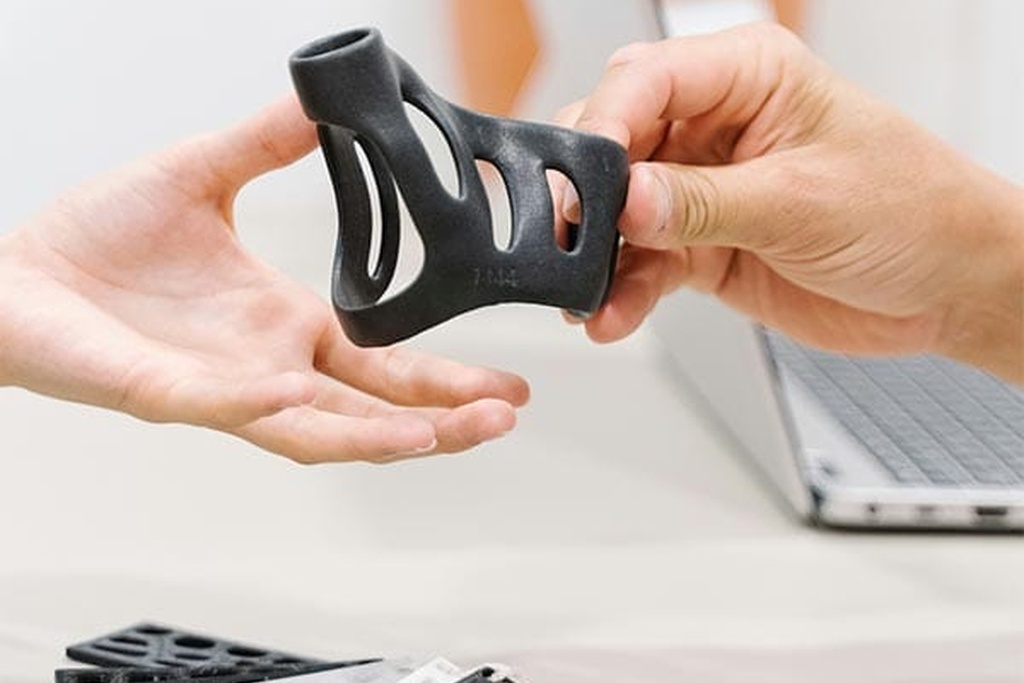
Our prototype center boasts advanced equipment, including 3D printers, CNC machines, and vacuum molding machines. With more than 20 seasoned professionals on our team, we specialize in creating plastic prototypes, metal prototypes, and various other types. Leveraging our exquisite craftsmanship and efficient services, we deliver precise prototype solutions to expedite product development and market introduction
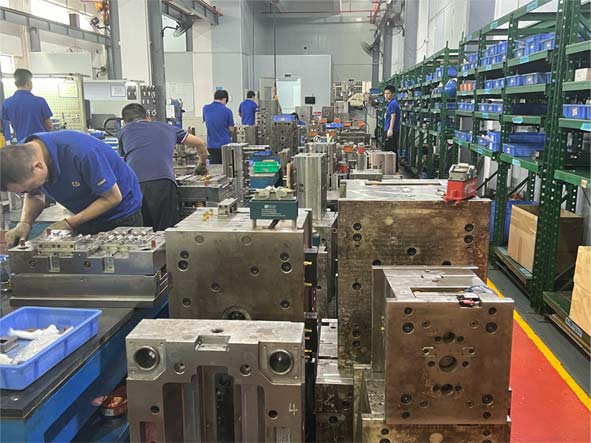
Mould
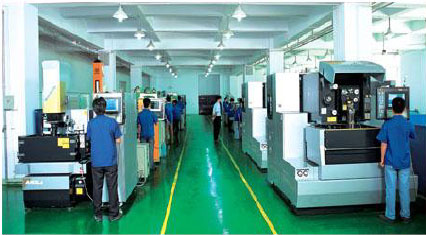
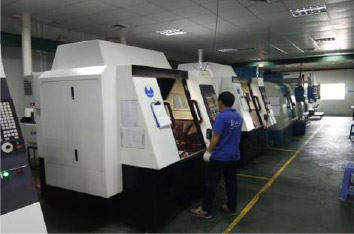
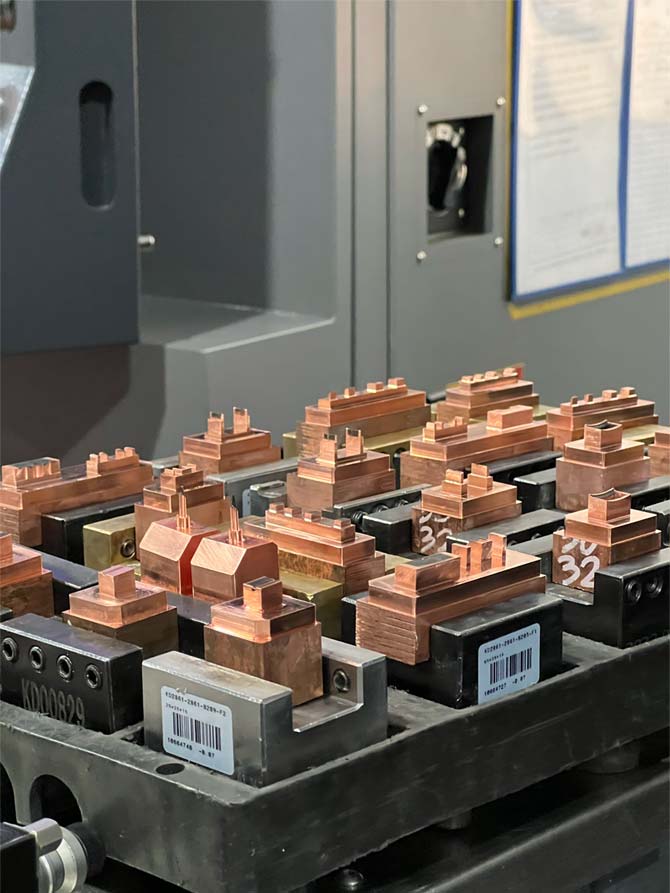
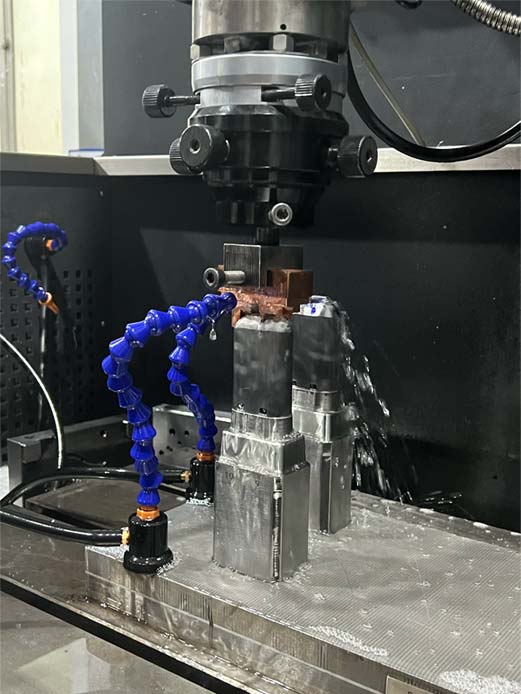
Mold workshop is equipped with state-of-the-art processing equipment, including high-precision CNC machine tools and EDM machines. Our professional team consists of over 40 highly skilled members, specializing in the manufacture of injection molds and die-casting molds. These molds are extensively utilized in various sectors such as automotive, electronics, and home appliances.
Main Equipment:
- CNC Spark Machines (SODICK, etc.)
- CNC Slow Wire (SODICK)
- CNC High-Speed CNC (DMG, MAKINO)
Injection
Molding
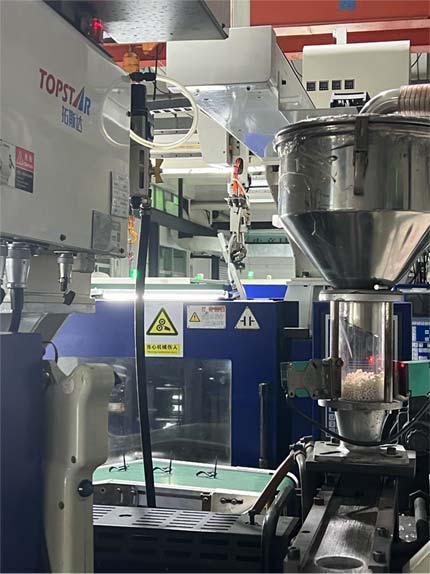
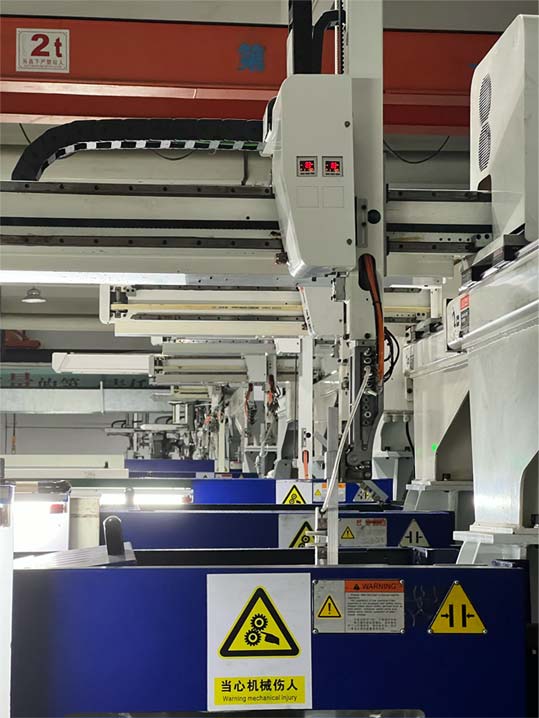
Our injection molding workshop is equipped with numerous advanced injection molding machines of various specifications, capable of accommodating a wide range of product sizes. The workshop features professional mold installation and debugging equipment, alongside an automated material conveying system. Our dedicated technical team, comprising 60 skilled professionals, rigorously oversees the production process to ensure the highest quality of each injection molding product.
Key Features:
1.Injection Molding Equipment:
- 47 injection molding machines
2.Distribution of Injection Molding Machines:
- One 1250-ton injection molding machine
- One 400-ton injection molding machine
- Twenty 160-ton to 250-ton injection molding machines
3.Injection Accuracy:
- Injection position accuracy up to 0.1MM
- Product size accuracy controlled within 0.01MM
- Advanced power system boosts injection speeds to 130-140MM/S, enabling the injection of thin-walled plastic products (0.2~0.5mm)
Spraying
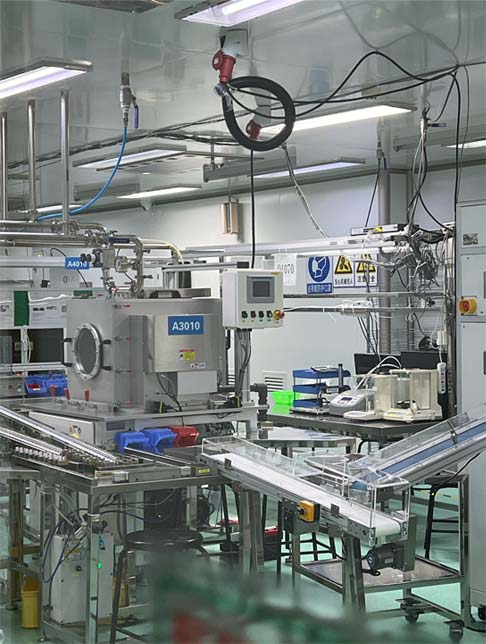
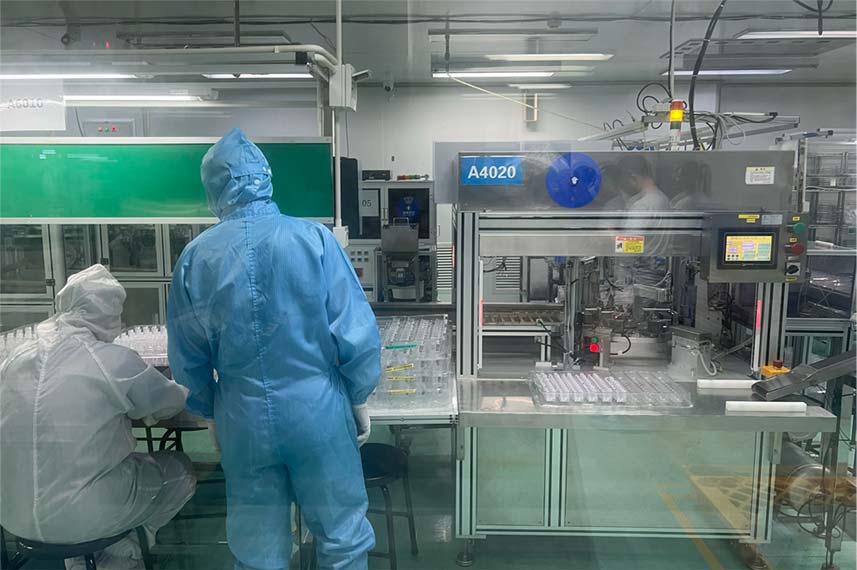
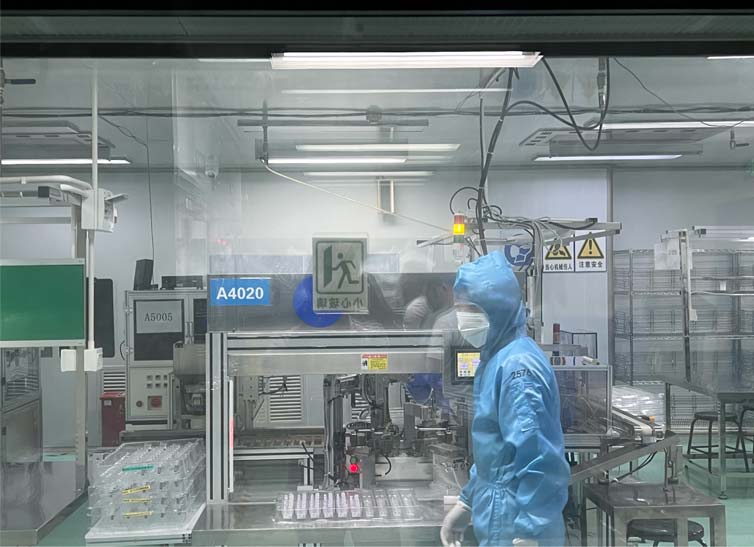
The spraying workshop is designed as a 10,000-level dust-free environment. Our main production process utilizes a fully automated two-coat and two-bake spraying technique. The automatic line is equipped with high-quality spray gun equipment and high-energy UV light curing equipment.
Key Features:
1.Spraying Equipment:
- One two-coat and two-bake automatic spraying line
- Two robot large-piece spraying lines
- One printing line
- Twenty pad printing machines
2.Production Capacity:
- Smart wearable spraying: 5 million pieces per month
- Robot small and medium-sized part spraying: 1 million pieces per month
- Robot large-piece spraying: 30,000 pieces per month
- Printing: 4 million pieces per month
Assembly
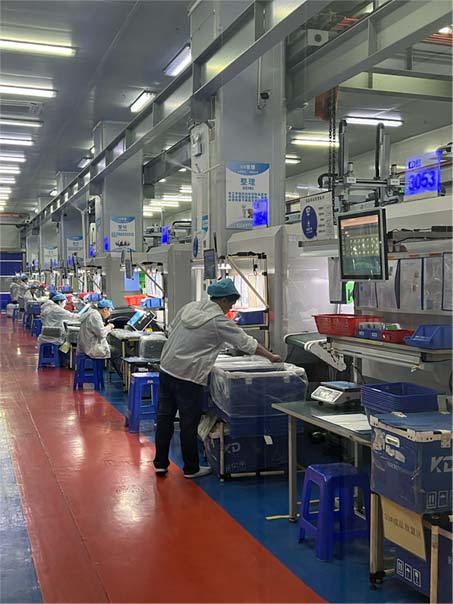
Our company currently operates two 100,000-level dust-free assembly workshops and seven bidirectional assembly lines, all housed within a newly constructed four-story supporting factory building, totaling 16,000m². This infrastructure is designed to meet the increasing demand for orders.
Key Features:
1.Assembly Department
- Four assembly lines
- Main production includes customized machines, Y10 series, Y20 series
- One Y50 series customized line
- Three bidirectional assembly lines for other models
2.Assembly Department
- Primarily a dedicated production line for the 150CM large machine series
- Two bidirectional assembly lines for other models
3.Assembly Capacity:
- Assembly Department 1: 250,000 finished units per month
- Assembly Department 2: 130,000 finished units per month
Testing
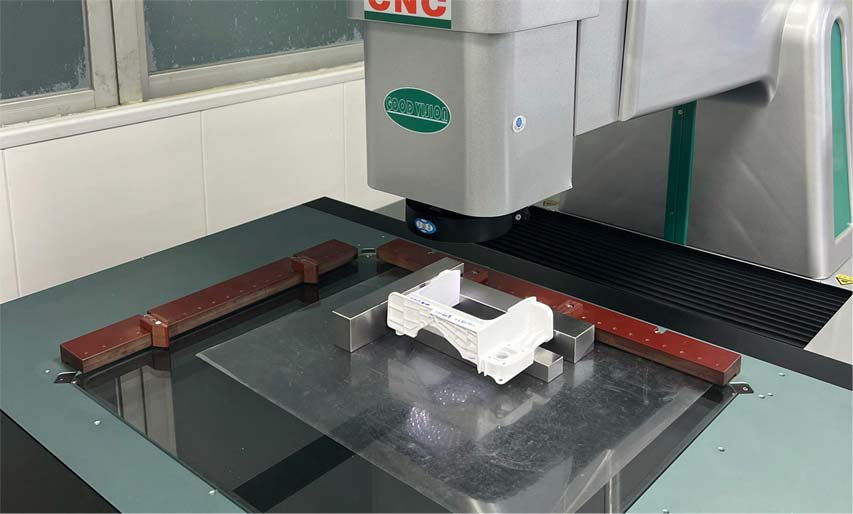
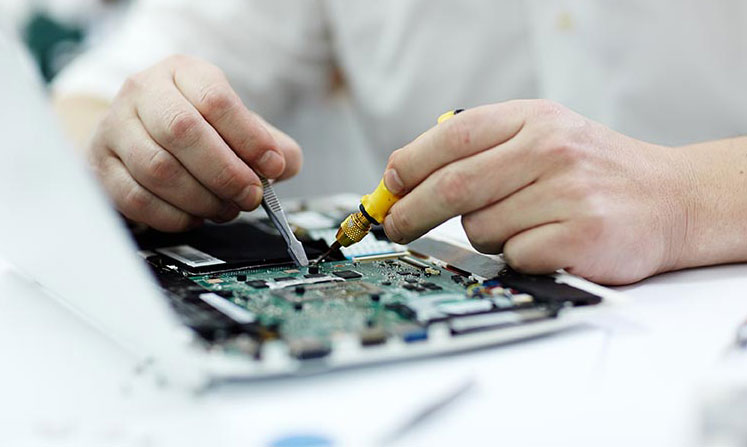
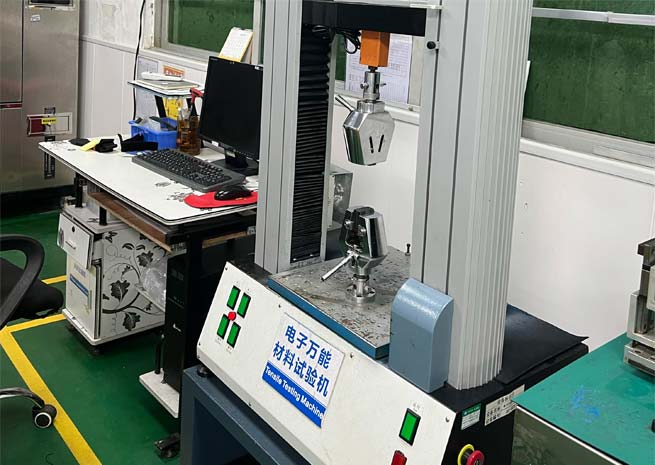
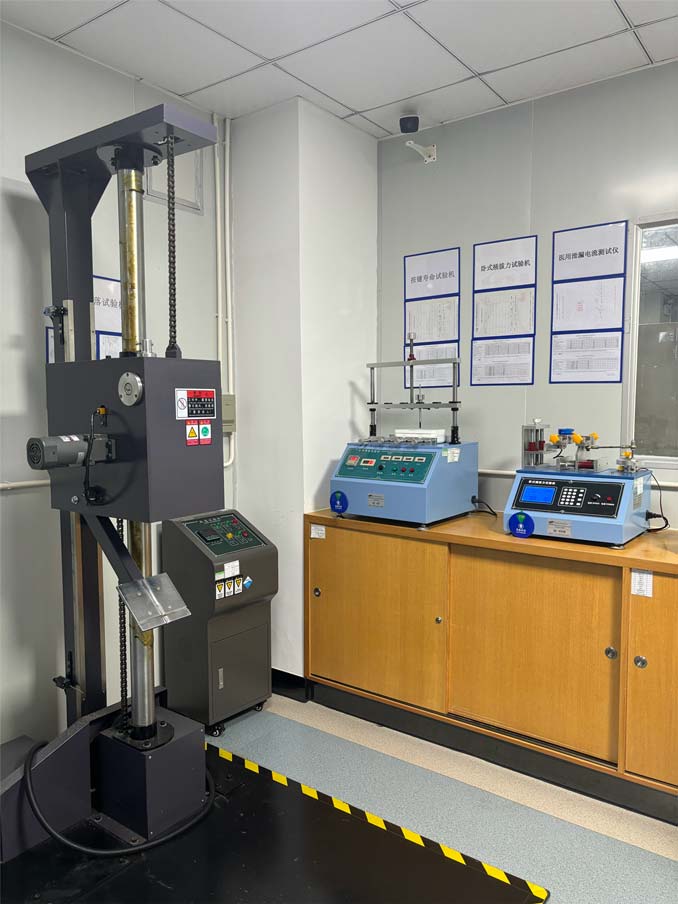
Each robot product we manufacture undergoes rigorous testing to ensure reliable product quality. Our testing laboratory is equipped with a comprehensive range of advanced equipment to perform various assessments.
Testing Equipment:
- Projector
- Colorimeter
- Halogen Lamp Moisture Meter
- Impact Tester
- Tensile/Bending/Strength Tester
- Vicat Thermal Deformation Tester
- RCA Paper Tape Tester
- Waterproof Tester
- Friction Tester
- Flame Flow Rate Velocity Apparatus
- Horizontal and Vertical Combustion Tester
- Hardness Tester
Our prototype center is equipped with industrial-grade 3D printers, 5-axis CNC machines and vacuum molding systems. With more than 20 seasoned engineers, we produce plastic prototypes, metal prototypes and soft tooling samples within 5–10 business days. For IoT robots, this means rapid validation of enclosure fit, sensor mounting positions, thermal paths and moving mechanisms before any production mold is committed.
Our mold workshop operates high-precision CNC machine tools, wire EDM and spark erosion equipment from SODICK, DMG and MAKINO. A team of 40+ mold engineers specializes in complex geometries — multi-cavity tools, slider mechanisms, lifter actions and tight-tolerance inserts — all common in robot enclosures and joint assemblies. Typical lead time for a new injection mold is 30–45 days from design freeze to T1 sample. electronics, and home appliances.
Main Equipment:
- CNC Spark Machines (SODICK, etc.)
- CNC Slow Wire (SODICK)
- CNC High-Speed CNC (DMG, MAKINO)
Our injection molding workshop runs 47 machines ranging from 80-ton to 1,250-ton capacity, covering everything from small wearable components to large robot housings. Automated material conveying, professional mold installation and a 60-person technical team ensure consistent output. Injection position accuracy is held to 0.1mm, product dimensional tolerance within 0.01mm, and our advanced power system reaches 130–140mm/s injection speed — enabling thin-wall enclosures down to 0.2mm.
Our spraying workshop is a 10,000-level dust-free environment running a fully automated two-coat, two-bake line. Two dedicated robot large-piece spraying lines handle oversized housings, plus a separate printing line and 20 pad printing machines for logos, UI indicators and QR codes. Monthly capacity: 5 million smart wearable pieces, 1 million small-to-medium robot parts, 30,000 large-piece robot housings, and 4 million printed components.
Two 100,000-level clean-room assembly workshops span 16,000m² across a four-story facility, housing seven bidirectional assembly lines. Assembly Department 1 produces 250,000 finished units per month (customized machines, Y10 and Y20 series). Assembly Department 2 handles 130,000 units per month, including a dedicated line for 150cm-class large robots. This dual-department setup lets us scale from low-volume commercial robots to high-volume consumer models on the same production floor.
Every robot product undergoes end-to-line testing before shipment. Our in-house laboratory is equipped with projectors, colorimeters, halogen lamp moisture meters, impact testers, tensile/bending/strength testers, Vicat thermal deformation testers, RCA paper tape testers, waterproof testers, friction testers, flame flow rate velocity apparatus, horizontal and vertical combustion testers, and hardness testers. Test results validate IP rating, EMC compliance, drop protection, thermal stability and surface durability against your specification.
Blog
What types of AI IoT robots can OPD Design help develop?
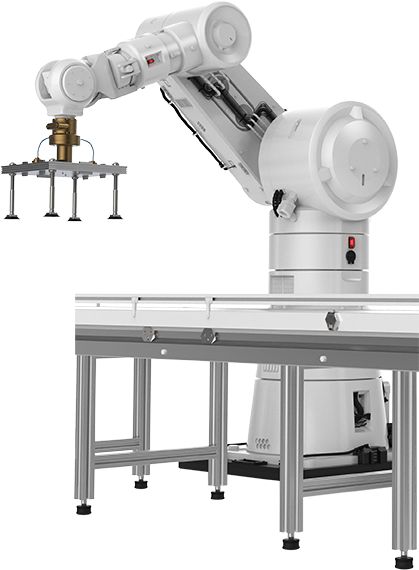
We work on both wheeled and legged platforms across consumer, commercial and industrial segments — including care robots, delivery robots, cleaning robots, reception robots, patrol robots, industrial robots and educational robots. If your AI-powered robot needs a well-designed enclosure, thermal solution or moving mechanism, our team can handle it.
Which phases of AI IoT robot development do you support?
OPD Design covers the full hardware chain: industrial design, mechanical design, DFM review, prototyping, mold making, injection molding, surface finishing, assembly and testing. We do not develop the AI software or algorithms — but we work closely with your software team to make sure the hardware is optimized for your sensors, computing modules and motion control systems.
Can you produce both prototypes and mass production volumes?
Where is your AI IoT robot manufacturing base located?
How do you handle AI module integration during mechanical design?
How do you protect intellectual property during an AI IoT robot project?
All projects start with a mutual NDA. Your mechanical files, BOM and design documents are stored in a restricted environment, and only team members assigned to your project have access. We also support staged delivery — from industrial design to mechanical design, then prototype, then mold and mass production — so you can review and approve each step before moving forward.
Frequently Asked Questions
Start Your AI IoT Robot Project With OPD Design
From the first sketch to 10,000-unit mass production, OPD Design walks with you through every hardware stage of an AI-powered IoT robot.
Our AI IoT robot capabilities include:
– Industrial design and mechanical design tailored to NLP, CV and SLAM modules
– Prototype with 3D printing, CNC and vacuum molding
– Injection molds and die-casting molds made in-house
– Dust-free spraying and automated assembly lines
– Full product testing — waterproof, EMC, drop, thermal, vibration
Tell us about your AI IoT robot project today. Our Shenzhen team will reply within 2 business days with a development plan and transparent quotation.
Tell us about your project, and we’ll provide a detailed proposal within 48 hours.